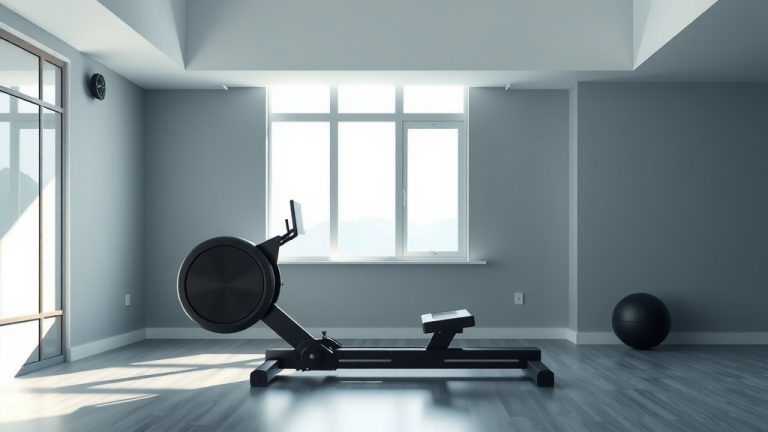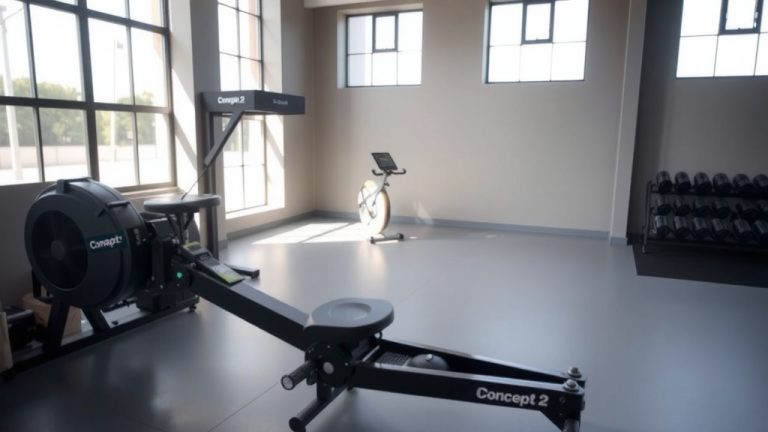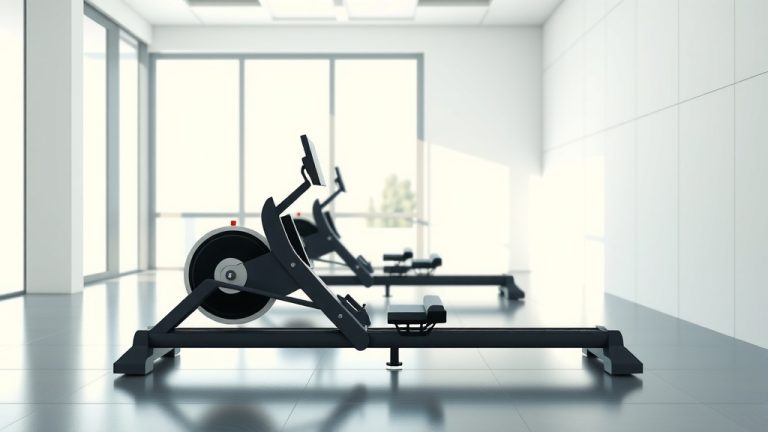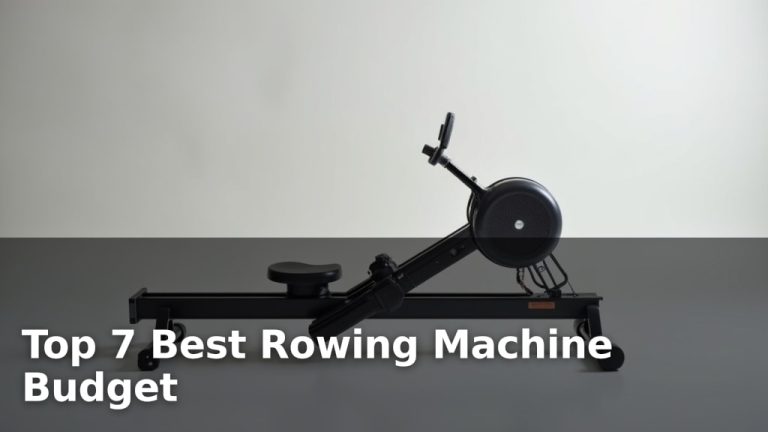
Is Rowing Machine Good For Strength Training?
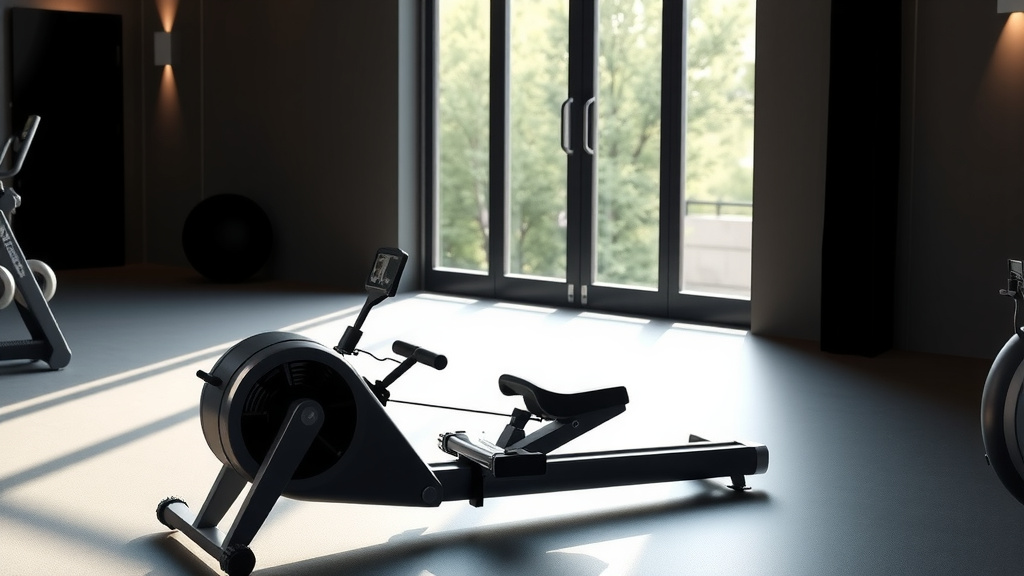
Yes, a rowing machine is an excellent tool for strength training, engaging over 85% of your body’s muscles in a compound, low-impact motion.
It builds muscular endurance and functional strength, particularly in your legs, core, back, and arms, making the rowing machine a valuable addition to your fitness routine.
- Rowing builds strength and endurance across major muscle groups simultaneously.
- It delivers a full-body workout, targeting legs, core, back, and arms with each stroke.
- Combine higher resistance settings and interval training for superior strength results.
- This exercise is low-impact, reducing joint stress while still providing a tough muscle challenge.
- While not for pure powerlifting, rowing is highly effective for improving functional strength.
Is Rowing Machine Good For Strength Training?
Yes, absolutely! A rowing machine offers a powerful way to build strength throughout your entire body. It’s not just a cardio machine; it actively engages numerous muscle groups, helping you become stronger and more resilient.
The Rowing Machine: A Full-Body Strength Builder
Think of rowing as a symphony of muscle work. From the moment you push off to the finish, your body recruits a vast network of muscles. This makes it an incredibly efficient way to gain strength.
Engaging Your Legs: The Powerhouse
Your legs initiate the stroke, providing up to 60% of the power. You will push with your quadriceps, hamstrings, and glutes. This powerful drive builds significant lower body strength (American Council on Exercise).
Strengthening Your Core and Back
As you extend your legs, your core muscles stabilize your torso. Your back muscles, especially the lats and rhomboids, then drive the handle towards your body. This combined action offers great strengthening for your entire posterior chain.
Working Your Arms and Shoulders
Finally, your biceps and triceps, along with your shoulders, finish the stroke. While your legs and back do most of the heavy lifting, your arms and shoulders get a solid workout too. You will notice increased arm and shoulder endurance over time.
How Rowing Builds Strength
Rowing uses resistance to challenge your muscles. Whether it’s air, water, magnetic, or hydraulic resistance, your muscles must work hard against it. This consistent resistance creates micro-tears in your muscle fibers, which then repair and grow stronger.
Many experts say this type of progressive resistance training is key for muscle growth. You can often adjust the damper or resistance level to increase the challenge as you get stronger.
Rowing for Muscular Endurance vs. Max Strength
Rowing excels at building muscular endurance. This means your muscles can sustain work for longer periods. For maximum strength (like a one-rep max), you typically need heavier, more isolated lifting. However, the functional strength gained from rowing is incredibly useful for everyday tasks and other sports.
We found that incorporating high-intensity intervals on the rower can also help improve power and strength output. This mixes things up and keeps your muscles guessing.
Optimizing Your Rowing for Strength Gains
To really dial up the strength benefits, focus on a few key areas. It’s not just about pulling; it’s about technique and intensity. Follow these steps to maximize your workout:
- Increase Resistance: Set the damper or resistance to a higher level. This makes each stroke more challenging.
- Focus on Power: Push off explosively with your legs. Feel that drive from your heels through the balls of your feet.
- Shorten Intervals: Try shorter, intense bursts of rowing followed by brief rests. This mimics traditional strength training sets.
- Slow the Recovery: Control your return to the catch position. Don’t let the handle snap back; use your core to guide it.
- Maintain Proper Form: Good technique prevents injury and ensures all target muscles are engaged effectively.
Rowing Machine vs. Weights: A Comparison
Both rowing machines and free weights build strength, but they approach it differently. Let’s look at how they stack up.
| Feature | Rowing Machine | Free Weights |
|---|---|---|
| Muscle Engagement | Full-body, compound movement | Targeted, isolated or compound |
| Impact on Joints | Very low impact | Can be high impact, depending on exercise |
| Strength Focus | Muscular endurance, functional strength | Max strength, muscle hypertrophy |
| Cardio Benefit | Significant cardio workout | Minimal to moderate |
The Low-Impact Strength Advantage
One of the biggest perks of rowing for strength is its low-impact nature. Your body glides smoothly, protecting your joints from harsh impact. This makes it a great choice for people with joint pain or those recovering from certain injuries (Mayo Clinic).
You can push your muscles hard without stressing your knees, hips, or spine. This means you can train more consistently and recover faster. It’s a smart way to build strength while being kind to your body.
Who Benefits Most from Rowing Strength Training?
Almost anyone can benefit, but certain groups might find it especially useful. Athletes looking for a conditioning tool will love it. People aiming to improve their overall fitness and functional strength will also see great results.
If you’re short on time, a rowing machine offers a full-body workout in one go. We found that busy individuals appreciate its efficiency. It combines strength, cardio, and endurance all in one session.
Common Mistakes to Avoid When Rowing for Strength
To get the most strength benefits, steer clear of common pitfalls. One major mistake is over-relying on your arms. Remember, your legs are the primary drivers. Start the stroke with a powerful leg push, then engage your core and back.
Another error is hunching your back. Keep your spine long and straight throughout the stroke. This protects your back and ensures proper muscle engagement. Also, avoid rushing the recovery phase; control is key for effective strength building.
Conclusion
So, is a rowing machine good for strength training? Absolutely. It stands out as an effective, full-body workout that builds both muscular strength and endurance with minimal joint impact. By understanding proper technique and adjusting resistance, you can significantly boost your overall fitness.
Whether you’re an experienced athlete or just starting your fitness journey, the rowing machine offers a unique pathway to a stronger you. Give it a try, and feel the power in every stroke.
What muscles does a rowing machine strengthen most?
A rowing machine primarily strengthens your quadriceps, hamstrings, glutes, core (abdominals and lower back), lats, rhomboids, biceps, and triceps. It engages a comprehensive range of major muscle groups.
Can rowing replace lifting weights for strength?
While rowing builds excellent functional strength and muscular endurance, it cannot fully replace targeted heavy weightlifting for maximum strength gains or specific muscle hypertrophy. It works best as a complementary tool or for overall fitness.
How often should I row for strength training?
For strength training benefits, aim for 3-4 sessions per week, allowing for muscle recovery. Incorporate varied workouts, including high-intensity intervals and longer, steady-state rows, to challenge your muscles effectively.
Does rowing build upper body strength significantly?
Yes, rowing does build upper body strength, particularly in your back muscles (lats, rhomboids) and biceps, as these are crucial for pulling the handle. Your shoulders also get a good workout. However, the legs provide the majority of the power.
What resistance setting is best for strength on a rower?
For strength, a higher resistance setting (often referred to as damper setting on air rowers) is generally better. This increases the challenge per stroke, forcing your muscles to work harder. Start with a moderate setting and gradually increase it as your strength improves.