What Muscles Does A Rowing Machine Exercise?
A rowing machine provides a full-body workout, primarily engaging your legs (quads, hamstrings, glutes), core (abs, obliques), and upper body (back, arms, shoulders) in a coordinated movement.
This unique exercise machine efficiently strengthens and tones nearly 85% of your body’s muscles in a single, fluid motion, making it a powerful tool for your fitness journey.
For those short on time, here’s a quick glance at what rowing offers:
- Rowing activates most major muscle groups, from your quads to your lats.
- It combines cardio with strength training, giving you two workouts in one.
- You’ll see improved endurance, calorie burn, and overall body toning.
- Proper technique is vital for engaging the right muscles and staying injury-free.
- It’s a low-impact exercise, gentle on your joints while delivering high results.
What Muscles Does A Rowing Machine Exercise?
A rowing machine is a fantastic piece of equipment for hitting almost every muscle in your body. It truly offers a comprehensive workout in one smooth motion.
The Powerhouse: Your Legs
Think of the rowing stroke as starting with a powerful push from your legs. This leg drive is where the majority of your power comes from during the exercise. It’s like jumping, but horizontally.
Quads and Hamstrings: The Drive
As you push away from the foot stretcher, your quadriceps work intensely to straighten your legs. Immediately following, your hamstrings and glutes kick in to extend your hips, propelling you back (American Council on Exercise).
These large leg muscles are your primary engine. You’ll feel them working hard to generate speed and power with each stroke.
Glutes: The Hip Extension
Your glutes, the largest muscles in your body, are absolutely essential in rowing. They perform the powerful hip extension that finishes your leg drive, pushing you backward with strength.
Many people find rowing excellent for toning and strengthening their glutes. It’s a real glute workout, often surprising beginners.
Core Strength: The Stabilizers
The core connects your upper and lower body. It acts as a stabilizer throughout the stroke, transferring power efficiently. A strong core makes for a strong rower.
Abdominals and Obliques: Keeping You Stable
Your abdominal muscles and obliques work to keep your torso stable as you lean back slightly. They prevent slumping and ensure you maintain good posture and balance.
This constant engagement helps to strengthen your entire midsection. It’s not just for show; a strong core keeps your back healthy too (NIH).
Upper Body: Pulling It All Together
While the legs do most of the work, your upper body plays a crucial role in the finishing phase of the stroke. It’s where you pull the handle towards you.
Back Muscles: The Engine of the Pull
Your lats (latissimus dorsi) and rhomboids in your upper back are key for pulling the handle towards your chest. They help you maintain a strong, upright posture during the pull.
Research often highlights rowing as one of the best exercises for developing a strong and defined back. It’s a very functional movement for these muscles.
Biceps and Forearms: The Finishing Touch
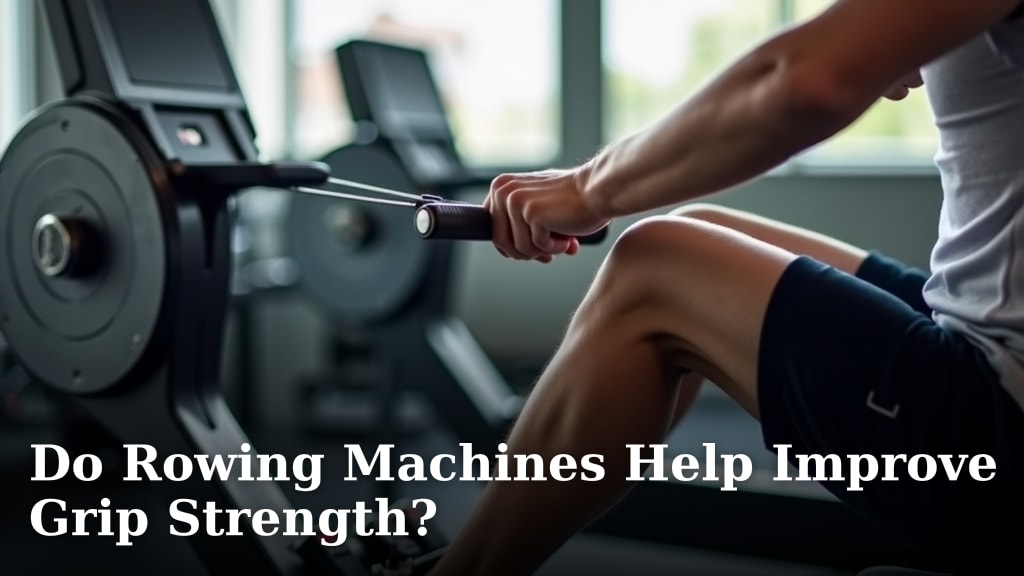
As you complete the pull, your biceps and forearms engage to draw the handle in fully. They are the “finishing muscles” of the stroke, ensuring a complete and powerful end.
You’ll notice your grip strength improving over time with regular rowing. Your forearms, in particular, get a solid workout.
Shoulders: Supporting the Movement
Your deltoids (shoulders) and traps (trapezius) help support the pulling motion and maintain arm position. They work to keep your shoulders stable and strong, preventing injury.
While not the primary movers, they contribute to the overall upper body effort. They help ensure a smooth, controlled movement.
Why a Full-Body Workout Matters
Exercising a wide range of muscles offers many perks. It helps you burn more calories, improve your overall fitness, and build balanced strength (Mayo Clinic).
Instead of doing separate workouts for legs, core, and arms, rowing combines them. It’s an efficient way to stay fit and healthy.
How Proper Form Maximizes Muscle Engagement
To truly reap the benefits, form is everything. Many experts say that correct technique ensures you activate the right muscles and avoid unnecessary strain.
Think of the rowing stroke in four parts: catch, drive, finish, and recovery. Each phase has its own focus, but the smooth transition is key.
Here’s a quick checklist for good rowing form:
- Catch: Shins vertical, arms straight, core engaged.
- Drive: Legs push first, then body leans back, then arms pull.
- Finish: Legs flat, body leaned back slightly, handle at chest.
- Recovery: Arms extend, body leans forward, then legs bend.
- Rhythm: Drive is fast, recovery is slower, about a 1:2 ratio.
Beyond Muscles: The Cardio Perks
While we talk a lot about muscles, don’t forget the incredible cardiovascular workout a rowing machine gives. Your heart and lungs work hard to supply oxygen to those active muscles.
Regular rowing can significantly improve your endurance and stamina. It’s a superb way to boost your heart health (CDC).
Who Can Benefit from Rowing?
Almost everyone can benefit! From beginners to seasoned athletes, rowing offers scalable intensity. It’s also low-impact, making it suitable for those with joint sensitivities.
Whether you want to lose weight, build muscle, or simply improve your fitness, a rowing machine is a versatile training tool.
Let’s look at how rowing stacks up against some common exercises:
| Exercise | Primary Muscle Focus | Cardio Impact | Joint Impact |
|---|---|---|---|
| Rowing Machine | Full Body (Legs, Core, Upper) | High | Low |
| Running | Legs, Glutes, Core | Very High | Moderate to High |
| Cycling | Legs, Glutes | Moderate to High | Low |
| Weightlifting | Targeted (varied) | Low to Moderate | Low to Moderate |
Conclusion
So, what muscles does a rowing machine exercise? The answer is a lot! It’s a remarkable piece of equipment that truly works your entire body in harmony. From the powerful drive of your legs to the stabilizing action of your core and the pulling strength of your upper body, every major muscle group gets involved.
If you’re looking for an efficient, low-impact, and highly effective way to improve your fitness, a rowing machine is an excellent choice. Just remember to focus on good form to maximize your results and keep your body happy. Happy rowing!
Is rowing considered a cardio or strength workout?
Rowing is unique because it effectively combines both cardio and strength training. While it significantly elevates your heart rate for cardiovascular benefits, the muscular effort across your legs, core, and upper body also builds significant strength and endurance.
Can rowing help me lose weight?
Absolutely! Rowing is an excellent calorie burner due to its full-body engagement. Consistent rowing, combined with a balanced diet, can create a calorie deficit necessary for weight loss. The muscle building aspect also helps boost your metabolism.
How often should I use a rowing machine for results?
For noticeable results, aiming for 3-5 sessions per week, each lasting 20-45 minutes, is a great starting point. Listen to your body and gradually increase duration or intensity as your fitness improves. Consistency is more important than extreme efforts.
Is rowing bad for your back?
No, quite the opposite! When performed with proper technique, rowing strengthens the muscles that support your spine, like your core and back muscles. Poor form, however, can strain your back. Always prioritize good posture and a smooth, controlled stroke.
Do I need to be fit to start rowing?
Not at all! One of the best things about rowing is its scalability. Beginners can start with shorter, lighter sessions and gradually build up their fitness. It’s a low-impact exercise, making it accessible for people of many fitness levels and physical conditions.