What Muscles Does A Rowing Machine Work?
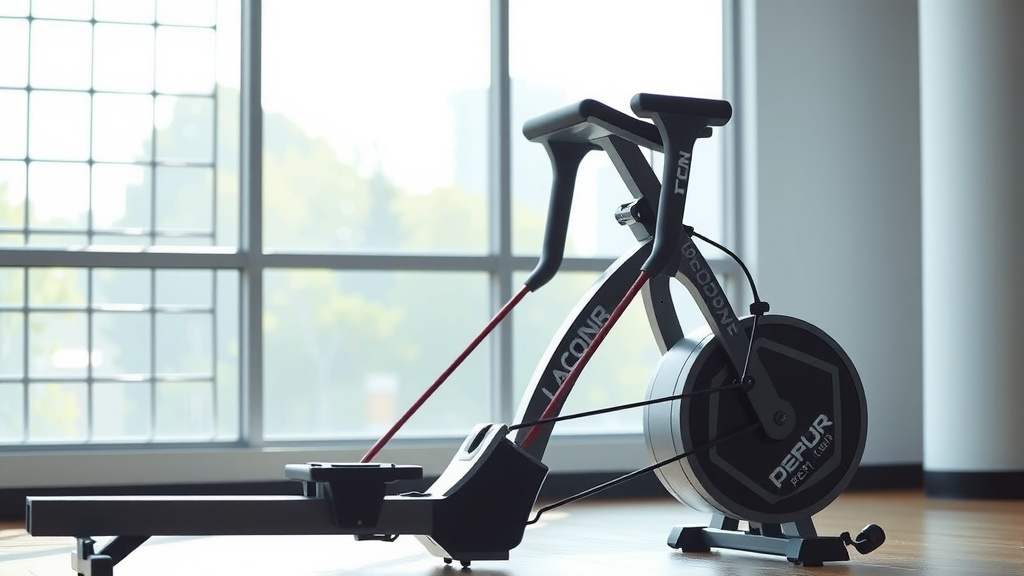
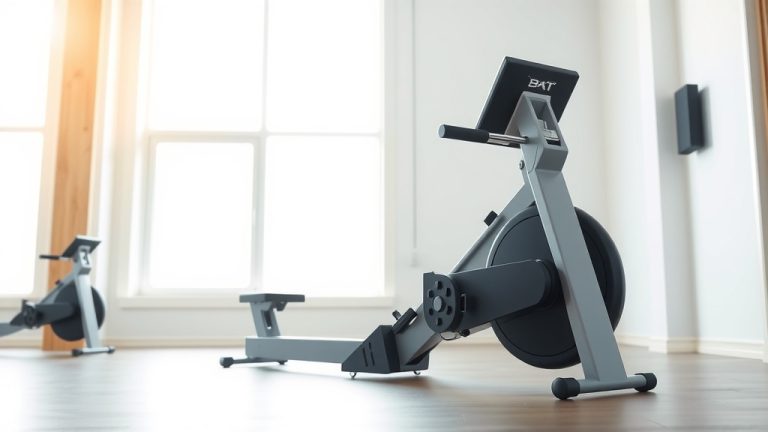
A rowing machine is a full-body workout that effectively engages about 86% of your muscles, primarily targeting your legs, core, and upper body. It provides a comprehensive exercise by involving major muscle groups in a smooth, low-impact motion.
When you use a rowing machine, you work muscles from your calves to your shoulders, including your quads, glutes, hamstrings, back, abs, biceps, triceps, and deltoids.
- Rowing is a total-body workout, hitting nearly 90% of your muscles.
- It builds strength in your legs, core, and upper body all at once.
- The exercise is low-impact, making it kind to your joints.
- You get both cardio fitness and muscle toning with each session.
- It’s an efficient way to boost endurance and burn calories.
What Muscles Does A Rowing Machine Work?
A rowing machine works almost every muscle group in your body, providing a balanced workout that builds both strength and stamina. You are engaging your legs, core, and upper body in a fluid, rhythmic movement.
Thinking about adding a rowing machine to your fitness routine? It’s a smart move. This incredible machine offers a holistic approach to fitness. Let’s break down exactly what muscles get a workout.
Understanding the Rowing Stroke: A Four-Phase Dance
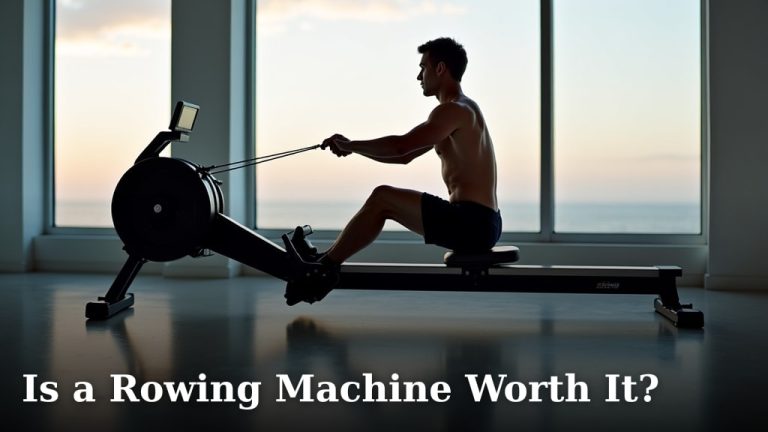
To truly understand which muscles you use, it helps to picture the rowing stroke itself. It’s not just a simple pull; it’s a carefully choreographed sequence. Many experts agree that the stroke breaks down into four main phases (Concept2).
The Catch: Getting Ready to Go
This is where you start, coiled up at the front of the machine. Your shins are vertical, and your arms are straight. You’re stretching forward, ready to push off. Your hamstrings and calves are engaged here, preparing for action.
The Drive: Powering Through
This is the most powerful part of the stroke. You push hard with your legs, driving back towards the flywheel. Your quads, glutes, and hamstrings are doing most of the work. As your legs straighten, your core engages, and your back begins to swing. This creates a powerful chain reaction.
The Finish: Leaning Back Strong
Once your legs are extended, your core stabilizes, and your back muscles pull the handle towards your body. Your lats, rhomboids, and traps are heavily involved here. Your biceps also come into play to complete the pull. You should be leaning slightly back with strong posture.
The Recovery: Gliding Back
This phase is about control and preparation for the next stroke. Your arms extend first, then your body pivots forward. Finally, your knees bend, and you slide back to the starting position. Your core muscles stay active, controlling the movement and protecting your spine.
The Powerhouse: Your Legs and Glutes
We often think of rowing as an upper-body exercise, but that’s a common misconception. Research shows that your legs provide about 60% of the power in a rowing stroke (American Council on Exercise). This makes rowing a fantastic leg workout.
- Quadriceps (Quads): These muscles on the front of your thighs work intensely as you push off from the catch. They are key to the drive phase.
- Glutes (Gluteus Maximus, Medius, and Minimus): Your glutes power the extension of your hips. They add significant force to your drive.
- Hamstrings: Located at the back of your thighs, these muscles work to extend your hips and flex your knees during the drive and recovery.
- Calves (Gastrocnemius and Soleus): Your calves assist in pushing off the foot stretcher and stabilize your ankles.
Think of your legs as the engine of the rowing machine. Without a strong push from your lower body, your stroke will lack power and efficiency.
Your Strong Core: The Center of It All
A stable core is vital for transferring power from your legs to your upper body. Your abdominal muscles and lower back work constantly. They help maintain your posture and connect every movement.
Your rectus abdominis (your “six-pack” muscles), obliques, and erector spinae (muscles along your spine) are all active. They prevent injury and ensure a smooth, powerful stroke. It’s like the strong bridge connecting two river banks.
Building an Iron Back: Upper Body Strength
After your legs drive, your back muscles swing into action. These muscles are essential for pulling the handle towards your body. This part of the stroke builds incredible upper body strength.
You use your latissimus dorsi (lats), which are the large muscles in your mid-back. Your rhomboids and trapezius muscles, found between your shoulder blades and neck, also work hard. These muscles give you that strong, V-shaped back.
Arms and Shoulders: The Pulling Power
While your legs and back do most of the heavy lifting, your arms and shoulders play a supporting, but vital, role. They finish the stroke and guide the handle.
Your biceps (front of upper arms) and triceps (back of upper arms) contract to pull the handle in. Your deltoids (shoulder muscles) stabilize your shoulders throughout the movement. They help ensure a powerful and controlled finish.
Rowing Machine Benefits Beyond Muscle Growth
The benefits of using a rowing machine extend far beyond just muscle building. It’s a complete fitness package. Many health organizations, like the Mayo Clinic, highlight rowing as a great choice for overall fitness.
Cardiovascular Health
Rowing gets your heart rate up and blood pumping. This strengthens your heart and lungs, boosting your cardiovascular endurance. Regular rowing sessions can significantly improve heart health.
Joint-Friendly Movement
Because rowing is a low-impact exercise, it’s gentle on your joints. It offers a great workout without the pounding stress of running. This makes it a smart choice for people of all ages and fitness levels.
Calorie Burning
Engaging so many muscles means you burn a lot of calories. A vigorous rowing session can be a very effective way to support weight management and fitness goals.
Common Rowing Mistakes to Avoid
To get the most from your rowing machine and prevent injury, avoid these common errors:
- Starting the pull with your arms too early.
- Hunching your back instead of keeping it straight.
- Opening up your body before your legs finish the drive.
- Letting your knees come up too fast during recovery.
- Gripping the handle too tightly, which can tire your forearms.
How to Maximize Your Rowing Workout
Want to get the most out of every stroke? Here are some simple tips:
| Aspect | Tips for Improvement |
|---|---|
| Form | Focus on a strong, consistent drive with legs, then body, then arms. |
| Power | Emphasize the leg drive. Push powerfully through your heels. |
| Breathing | Exhale forcefully on the drive, inhale on the recovery. |
| Consistency | Aim for regular sessions, even if they are shorter. |
| Listen to Your Body | Don’t push through sharp pain. Rest when you need to. |
Conclusion
A rowing machine is a fantastic piece of equipment that delivers a true full-body workout. It strengthens your legs, core, back, and arms all at once. It also provides excellent cardio benefits without putting stress on your joints. Whether you are aiming to build muscle, boost endurance, or simply stay active, rowing offers a comprehensive solution. It’s an efficient way to get fit and stay healthy, moving almost every muscle in your body.
What is the ideal sequence of muscle engagement in a rowing stroke?
The ideal sequence for a rowing stroke involves a powerful push from the legs first, then a controlled swing of the body from the hips, and finally a pull with the arms. The recovery phase reverses this: arms extend, body pivots, and then knees bend.
Can rowing machines help with weight loss?
Absolutely! Rowing machines are excellent for weight loss because they engage so many large muscle groups simultaneously. This leads to a high calorie burn during your workout. Regular, consistent rowing combined with a balanced diet can significantly help with weight management.
Is rowing a good workout for beginners?
Yes, rowing is very beginner-friendly. It’s low-impact and easy to learn the basic movements. Start with shorter sessions and focus on proper form rather than speed. Many rowing machines also have adjustable resistance levels, so you can gradually increase intensity as you get stronger.
Does rowing build upper body mass effectively?
Rowing definitely builds upper body strength and muscle definition, particularly in your back, shoulders, and arms. However, since the legs contribute most of the power, it provides a balanced full-body development rather than isolated upper body mass like weightlifting specific exercises would.
How often should I use a rowing machine for the best results?
For optimal results, many fitness experts suggest rowing 3-5 times per week. Aim for sessions of 20-45 minutes, depending on your fitness level and goals. Consistency is more important than extreme, infrequent workouts for seeing real progress.