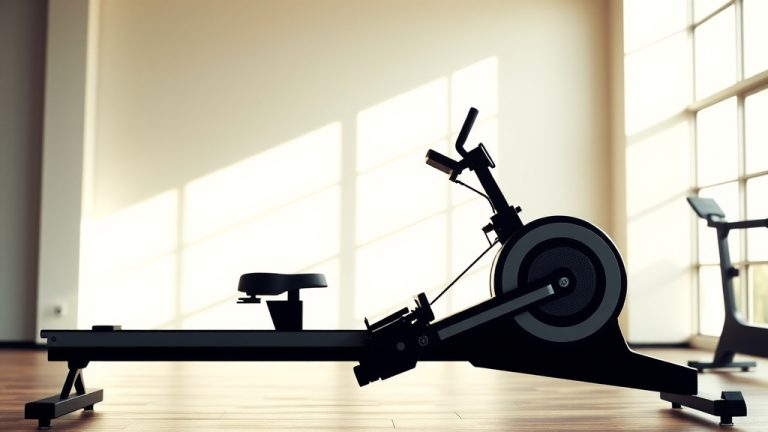
Does Rowing Machine Work Arms?
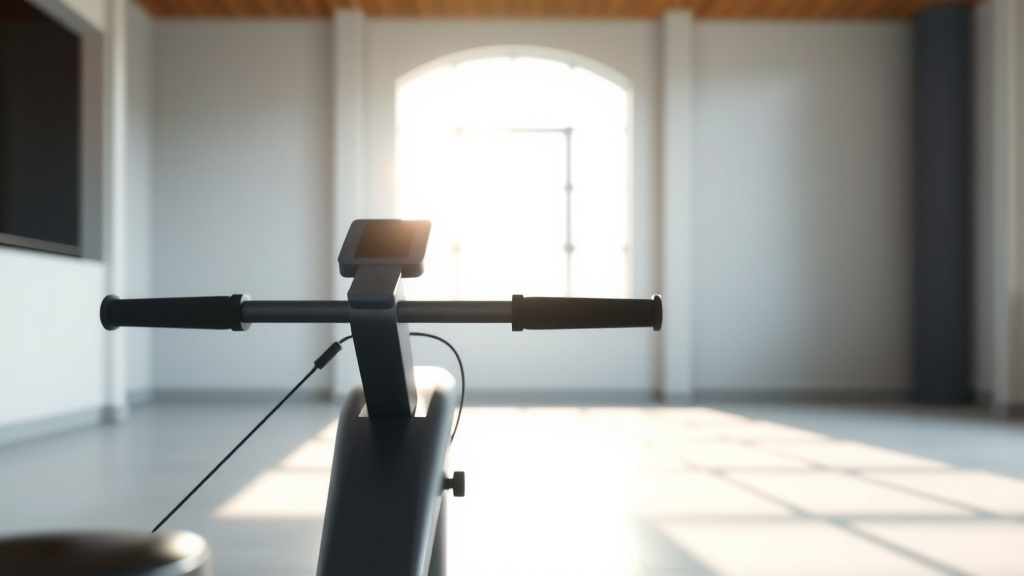
Yes, a rowing machine absolutely works your arms, engaging your biceps, triceps, and forearms during the pull phase. However, it’s primarily a full-body workout, with your legs and core doing most of the powerful work.
While your arms play a crucial role in the rowing stroke’s finish, they are not the main muscle group driving the movement.
- Rowing machines work your arms, but they aren’t the primary muscle movers.
- Your legs and core lead the drive, making rowing a full-body exercise.
- Biceps, triceps, and forearms get a great workout during the pulling motion.
- Proper technique ensures maximum arm engagement without overexertion.
- It’s a fantastic way to build endurance and tone, not just bulk your arms.
Does Rowing Machine Work Arms?
Yes, your arms are definitely working hard on a rowing machine! They play a key part in the “pull” of each stroke, but it’s important to know they aren’t the main engine. Think of your arms as the steering wheel and fine-tuners, not the accelerator pedal.
Understanding the Rowing Stroke: A Quick Look
The rowing stroke has four main phases: the catch, the drive, the finish, and the recovery. Each part engages different muscles. Knowing these phases helps you understand where your arms fit in.
The Powerhouse: Legs Lead the Way
Many beginners think rowing is all about the arms. It’s not. The strongest part of your body, your legs, initiates most of the power. You push off the foot stretcher with your legs first, like a powerful jump (Mayo Clinic).
This powerful leg drive creates the momentum. It sets up the rest of your body for a smooth, efficient stroke. Without a strong leg push, you lose much of the workout’s benefit.
Arm Muscles in Action: The Pull Phase
So, when do your arms get involved? Your arms primarily engage during the “finish” of the stroke. After your legs push and your back leans slightly, your arms then pull the handle towards your body.
This is where your biceps, triceps, and forearms truly shine. They perform that crucial final movement, bringing the handle to your lower chest or upper abdomen. It’s a quick, controlled pull.
Biceps, Triceps, and Forearms: Your Rowing Crew
Let’s break down which arm muscles are doing what:
- Biceps: These muscles on the front of your upper arm contract to bend your elbow, pulling the handle closer.
- Triceps: Located on the back of your upper arm, triceps help extend your arms during the recovery phase, pushing the handle away.
- Forearms: Your forearms and grip muscles work constantly to hold onto the handle throughout the entire stroke. They are surprisingly active, building grip strength and endurance.
Beyond Arms: A True Full-Body Workout
While your arms contribute, rowing is a fantastic full-body exercise. We found that it engages about 86% of your body’s muscles in a single stroke (NIH). This makes it incredibly efficient.
Think about it: legs push, core stabilizes, back pulls, and then arms finish. It’s a symphony of movement, making rowing an excellent cardio and strength builder.
| Muscle Group | Primary Role in Rowing | Arm Engagement? |
|---|---|---|
| Legs (Quads, Glutes) | Generate initial power, push off foot stretcher | No |
| Core (Abs, Obliques) | Stabilize trunk, connect leg drive to upper body | No |
| Back (Lats, Rhomboids) | Pull handle towards body after leg drive | Indirectly (stabilizing) |
| Arms (Biceps, Triceps, Forearms) | Finish the pull, extend for recovery, grip | Yes, direct and active |
Perfecting Your Pull: Technique Matters for Arms
To truly work your arms on a rowing machine, good technique is non-negotiable. Many experts say that rushing the arm pull reduces its effectiveness. You want a controlled, deliberate motion.
First, drive with your legs. Then, swing your back. Only then should your arms come into play for the final pull. This sequence ensures your arms aren’t doing too much too soon, leading to better gains and less risk of injury.
Common Arm Rowing Mistakes to Avoid
Are you feeling all arm burn and no leg power? You might be making some common errors:
- Arm-Pulling Too Early: You pull with your arms before your legs have finished driving. This tires your arms quickly and reduces overall power.
- Hunching Over: Rounding your back means your arm and back muscles can’t work effectively. Keep a strong, tall posture.
- White-Knuckling the Handle: Gripping too tightly fatigues your forearms unnecessarily. Relax your grip a little; you only need enough to hold the handle.
- Ignoring the Recovery: Rushing the recovery means you don’t reset properly for the next powerful stroke. Extend your arms first, then lean forward, then bend your knees.
Maximizing Arm Engagement on the Rower
Want to give your arms an extra push during your rowing workout? Here’s how:
- Focus on a strong, snappy finish with your arms. Make that final pull count.
- Incorporate specific drills, like “arms-only” rowing for short intervals, to isolate these muscles.
- Use a resistance level that challenges your pull but doesn’t compromise your form.
- Maintain a consistent pace, ensuring each stroke is complete and powerful.
Your Checklist for Better Arm Engagement:
- Are your legs driving first?
- Is your back swinging back before your arms pull?
- Are you pulling the handle to your lower chest/upper abs?
- Are your elbows staying close to your body?
- Are you fully extending your arms on the recovery?
Rowing vs. Arm-Specific Exercises: What’s the Difference?
Rowing works your arms differently than, say, bicep curls or tricep extensions. Those exercises isolate specific arm muscles for targeted strength and size. Rowing, on the other hand, builds functional arm strength and endurance as part of a larger movement.
If your goal is huge biceps, you’ll need to add dedicated arm exercises. But if you want strong, toned arms that can handle real-world tasks, rowing is a fantastic option. It’s a great complement to a balanced fitness plan.
Benefits of Rowing for Upper Body Strength
Even though legs lead, your upper body, including your arms, gets a serious workout. We found that regular rowing can significantly improve your back and shoulder strength, which directly benefits your arm function.
Plus, the continuous pulling motion helps with muscle endurance. This means your arms will be able to work longer without getting tired, which is a huge benefit for everyday activities.
Conclusion
So, does a rowing machine work your arms? Absolutely. Your biceps, triceps, and forearms are key players in the finishing phase of each stroke. They contribute to a strong pull and help with recovery.
However, remember that rowing is a magnificent full-body exercise, with your legs and core doing most of the heavy lifting. By focusing on proper technique, you’ll ensure your arms get a great workout while still enjoying the holistic benefits of rowing. Keep that form sharp, and you’ll feel the burn from head to toe!
What Other Muscles Does a Rowing Machine Work?
A rowing machine is a full-body powerhouse! It significantly engages your quadriceps, glutes, hamstrings, and calves in your legs. Your core muscles, including your abs and obliques, work to stabilize your body. Your back, specifically the lats and rhomboids, also get a fantastic workout.
Is Rowing Good for Toning Arms?
Yes, rowing is very good for toning your arms. The continuous pulling and extending actions of your biceps, triceps, and forearms build muscle endurance and definition. While it might not lead to massive bulk, it will certainly help create stronger, more toned arms.
How Can I Make My Arms Work Harder on a Rower?
To make your arms work harder, ensure you are not pulling too early in the stroke. Focus on generating power primarily from your legs and back, then use a quick, powerful pull with your arms at the very end. You can also try short intervals of “arms-only” rowing during your warm-up or cool-down to isolate these muscles.
Is Rowing Better for Arms Than Lifting Weights?
Rowing and lifting weights serve different purposes. Rowing builds functional strength, endurance, and cardiovascular fitness across your entire body, including your arms, as part of a compound movement. Lifting weights, like bicep curls or tricep extensions, allows for more isolated muscle growth and targeted strength development. Both have their place in a well-rounded fitness routine.
How Often Should I Row to See Arm Results?
Consistency is key for seeing any fitness results, including arm toning from rowing. Aim for 3-5 rowing sessions per week, combined with proper technique. You might start noticing improved arm definition and strength within 4-6 weeks, especially if you also maintain a balanced diet and overall active lifestyle.