Can A Pregnant Woman Use A Rowing Machine?
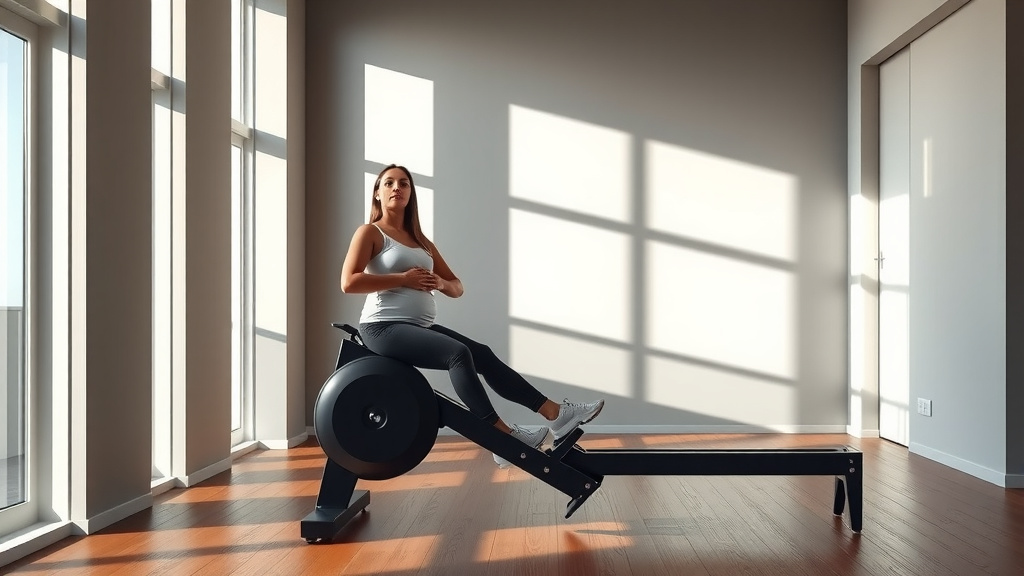
Yes, a pregnant woman can often use a rowing machine, but it’s crucial to consult your doctor or midwife first to ensure it’s safe for your specific pregnancy. Always prioritize your health and your baby’s well-being.
With proper modifications and mindful attention to your body, rowing can be a beneficial low-impact exercise during pregnancy, offering a full-body workout.
For those short on time, here’s the quick rundown:
- Always get your doctor’s approval before starting or continuing any exercise, including rowing.
- Rowing is generally safe during pregnancy with modifications, especially during the first and second trimesters.
- Adjust your intensity, focus on proper posture, and ensure comfort for your growing belly.
- Stop immediately if you feel pain, dizziness, or any unusual symptoms.
- Listen to your body; it will tell you what’s too much.
Can A Pregnant Woman Use A Rowing Machine?
Many pregnant women can safely use a rowing machine, especially if they were active before pregnancy. It provides a great low-impact, full-body workout when done correctly.
Why Consider Rowing During Pregnancy?
Staying active while pregnant is incredibly beneficial for both you and your baby. Rowing offers a unique combination of advantages.
Gentle on Joints
Unlike running or high-impact aerobics, rowing is a low-impact exercise. This means less stress on your joints, which are already experiencing changes due to pregnancy hormones (Mayo Clinic).
Full-Body Workout
A rowing machine engages about 85% of your muscles. You’re working your legs, core, back, and arms, helping to maintain overall strength. Stronger muscles can assist with carrying the extra pregnancy weight and prepare you for labor.
Boosts Mood
Exercise releases endorphins, those natural mood boosters. Pregnancy can bring hormonal swings, so finding ways to support your mental well-being is always a good idea.
When Is Rowing NOT a Good Idea?
While generally safe, there are times when rowing might not be suitable, or when extra caution is needed. Your doctor is your best guide here.
Consult Your Doctor First
Before you even think about hopping on a rowing machine, talk to your healthcare provider. They know your medical history and can advise you on any potential risks or specific limitations you might have (NIH).
Later Trimesters and Supine Position
As your belly grows, lying flat on your back (supine position) can compress a major blood vessel called the vena cava. While rowing isn’t typically done lying flat, some modifications or specific machine types might lead to positions that are too reclined. We found that avoiding prolonged supine positions is key, especially after the first trimester (American College of Obstetricians and Gynecologists – ACOG).
Modifying Your Rowing Workout for Pregnancy
To safely continue rowing, you’ll likely need to make some adjustments. Think of it as fine-tuning your workout for your changing body.
Adjusting Intensity
Your goal isn’t to hit personal bests during pregnancy. Instead, focus on maintaining fitness. You should be able to hold a conversation comfortably while rowing. If you’re gasping for air, you’re working too hard.
Posture and Belly Space
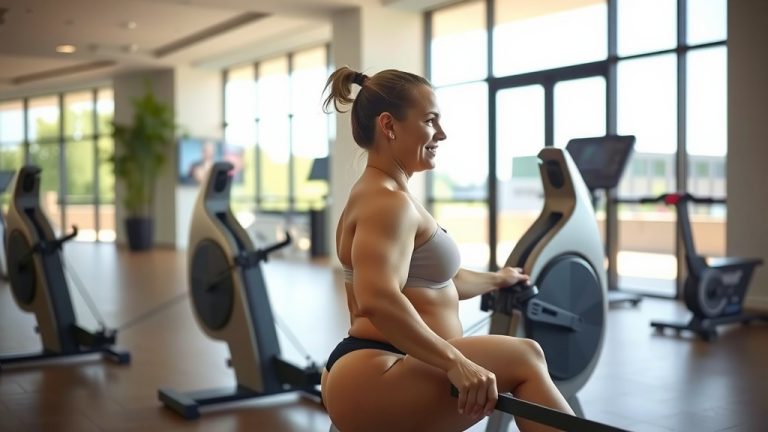
Proper rowing form is always important, but even more so now. Sit upright to support your back and avoid leaning too far back at the finish of the stroke. As your belly grows, you might need to widen your stance or sit further back on the seat to create more space.
Hydration and Rest
Your body is working harder during pregnancy. Stay well-hydrated by drinking plenty of water before, during, and after your workout. Also, listen to your body’s need for rest. Shorten your sessions or take more breaks if you feel fatigued.
Listen to Your Body
This is probably the most crucial advice. Your body will give you signals. If something feels off, uncomfortable, or painful, stop immediately. There is no benefit in pushing through discomfort while pregnant.
Choosing the Right Rowing Machine
Most standard rowing machines (air, water, magnetic) can be suitable. The key is comfort and adjustability. Make sure you can easily get on and off, and that the footrests allow for a comfortable, wide enough stance.
Trimester-Specific Rowing Tips
Your body changes throughout pregnancy, so your rowing routine might need to change too.
| Trimester | Key Rowing Tips |
|---|---|
| First Trimester | Often feels similar to pre-pregnancy workouts. Focus on maintaining current fitness levels. Be aware of increased fatigue or morning sickness. |
| Second Trimester | Start making modifications. Widen your leg stance, reduce intensity, and keep an eye on your posture. Avoid lying flat. |
| Third Trimester | Focus on comfort and gentle movement. Shorter sessions, very light intensity. Discontinue if it causes any discomfort or if your doctor advises against it. |
Warning Signs to Stop Rowing
Your body is incredibly smart and will communicate when something isn’t right. Pay close attention to these signals and always err on the side of caution. If you experience any of these, stop your workout and contact your healthcare provider:
- Vaginal bleeding
- Dizziness or feeling faint
- Shortness of breath before exertion
- Chest pain
- Headache
- Muscle weakness
- Calf pain or swelling
- Preterm labor contractions
- Fluid leaking from the vagina
After Baby Arrives: Returning to Rowing
Once your baby is here, you might be eager to get back on the rower. Remember that your body has undergone significant changes. Most experts recommend waiting until your six-week postpartum check-up before resuming exercise (Cleveland Clinic). Your doctor can clear you for physical activity and offer tailored advice for a safe return.
Conclusion
Rowing can be a fantastic way to stay active and healthy throughout much of your pregnancy. It’s a low-impact, full-body workout that supports both physical and mental well-being. However, your health and your baby’s safety are paramount. Always get medical clearance from your doctor and be ready to adapt your routine as your body changes. Listen carefully to your body’s signals, make necessary modifications, and don’t hesitate to stop if anything feels off. With careful planning and communication with your healthcare provider, you can enjoy the many benefits of rowing during this special time.
Can I row if I wasn’t active before pregnancy?
If you weren’t active before pregnancy, it’s generally recommended to start with very gentle exercise, not strenuous rowing. Always consult your doctor before beginning any new exercise program during pregnancy. They can guide you on safe starting points.
What should my heart rate be when rowing pregnant?
Instead of focusing on a specific heart rate number, which can vary widely, many experts suggest using the “talk test.” You should be able to carry on a conversation while rowing without gasping for air. If you’re too breathless to talk, slow down.
Will rowing cause early labor?
For most healthy pregnancies, moderate exercise like rowing does not cause early labor. Research shows that regular, appropriate exercise can actually contribute to a healthier pregnancy and easier labor. However, if you have any high-risk conditions, your doctor may advise against certain activities.
How do I make space for my growing belly on the rower?
As your belly grows, you can adjust your position on the rower. Try sitting further back on the seat or widening your leg stance on the footrests. This creates more room and prevents your belly from getting in the way of your stroke, improving comfort.
Are there any specific types of rowing machines that are better during pregnancy?
The type of rowing machine (air, water, magnetic) doesn’t typically matter as much as your comfort and ability to adjust. Focus on a machine that allows for smooth movement, easy entry and exit, and provides enough space for your changing body. Ensuring proper form is always key.