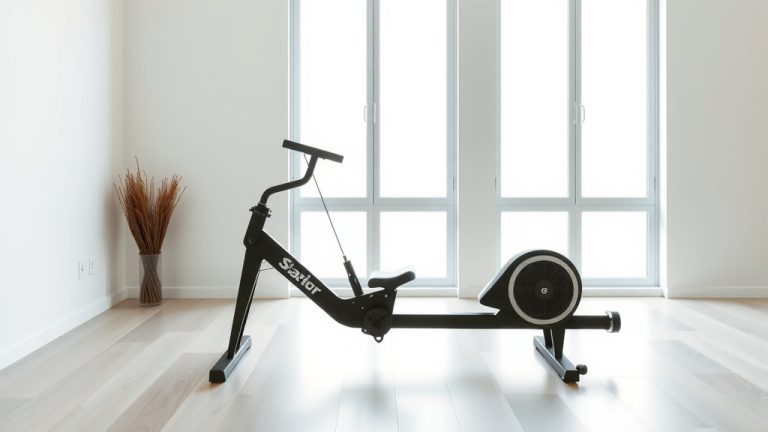
Is Rowing Machine Good For Pelvic Floor?
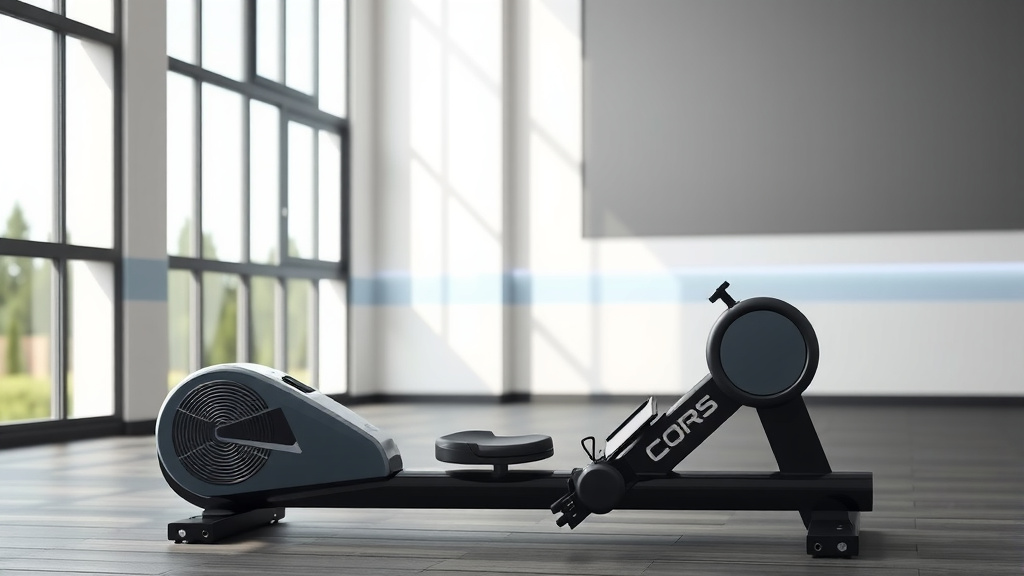
Yes, a rowing machine can be good for your pelvic floor when used with proper technique, as it encourages core engagement and stabilization without high impact. However, poor form or excessive intensity could potentially strain these important muscles, so paying attention to your body is key.
Proper rowing involves a strong core, which inherently supports your pelvic floor; think of it as a team working together. Focus on controlled movements and engaging your deep abdominal muscles to ensure a beneficial workout for this often-overlooked area.
- Rowing can support pelvic floor health through low-impact core engagement.
- Good form is critical; improper technique may cause strain.
- Always activate your core muscles gently during each stroke.
- Listen to your body, especially if you have pre-existing conditions.
- Combine rowing with specific pelvic floor exercises for best results.
Is Rowing Machine Good For Pelvic Floor?
The short answer is yes, a rowing machine can be quite beneficial for your pelvic floor when you practice proper form. It’s a low-impact exercise that can help strengthen your core, and your pelvic floor is a big part of that system.
Think of your pelvic floor as the base of your core. When you engage your core correctly during rowing, you naturally support and work those muscles.
Understanding Your Pelvic Floor
Your pelvic floor is a group of muscles and ligaments that form a sling, supporting your bladder, bowel, and uterus (if you have one). They play a big role in continence and core stability.
Many people don’t think about these muscles until there’s a problem. But keeping them strong is important for everyone, not just new mothers or older adults.
The Muscles Down Below
Imagine a hammock stretching across the bottom of your pelvis. That’s your pelvic floor. It helps hold everything in place and assists with pressure management inside your abdomen.
These muscles work with your deep abdominal muscles and diaphragm. They all act together like a team to keep your trunk stable.
Rowing’s Impact: Good News and Cautions
Rowing is often celebrated for its full-body workout. It uses about 86% of your muscles, making it a powerful tool for fitness. What does this mean for your pelvic floor?
Done right, it can be a friend to these muscles. Done wrong, it could cause issues. It’s all about technique.
How Rowing Can Help
When you row with good form, you naturally engage your deep core muscles. This includes your transverse abdominis and, indirectly, your pelvic floor. We found that this engagement helps with stability.
The movement is smooth and controlled, not jerky or high-impact like jumping. This means less sudden pressure on your pelvic floor compared to some other exercises (Mayo Clinic).
Potential Risks to Watch For
If you slouch or use too much power from your lower back, you might be straining your pelvic floor. Holding your breath and bearing down can also create unwanted pressure.
Over-rowing or pushing too hard without proper form could put stress on these muscles. It’s like trying to lift a heavy box with bad posture; something will eventually complain.
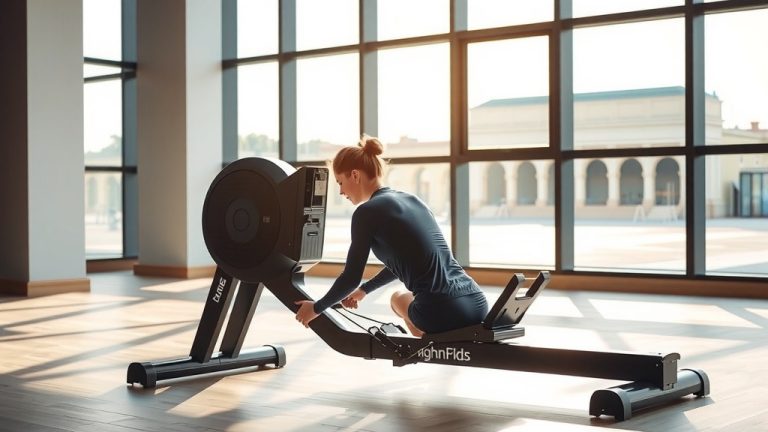
Proper Rowing Form for Pelvic Floor Health
Good technique is your best friend on the rowing machine. Focus on smooth transitions between phases and conscious core engagement. This protects your back and your pelvic floor.
Think of your core as a cylinder. You want to keep that cylinder stable throughout the stroke.
- Sit tall with a proud chest.
- Engage your core gently, like you’re bracing for a light punch.
- Keep your knees in line with your feet.
- Avoid rounding your back at any point.
- Breathe naturally, don’t hold your breath.
The “Drive” Phase Focus
During the drive, you push off with your legs first. Keep your core firm but not rigid. Imagine pushing the machine away from you with your feet.
Your back stays strong and straight, leaning slightly back only after your legs have extended. This reduces pressure on your pelvic floor.
The “Recovery” Phase Focus
The recovery is where you return to the start. Extend your arms, then hinge at your hips, and finally bend your knees. Maintain that gentle core engagement.
Avoid collapsing forward or letting your core relax completely. It’s a controlled, deliberate return to the catch position.
What About Core Engagement?
Your core muscles, including your pelvic floor, work together to provide stability. When you brace your core during rowing, you’re helping to create a stable base for movement.
This isn’t about sucking in your stomach. It’s a gentle activation, like tightening a corset just a little bit. We found that practicing this light engagement can strengthen the whole core system (NIH).
Rowing Machine vs. Other Exercises
How does rowing stack up against other popular workouts for pelvic floor friendliness? It’s generally considered a good option because of its low-impact nature.
High-impact activities can sometimes put more stress on the pelvic floor. Rowing avoids those jarring forces.
| Exercise Type | Pelvic Floor Impact | Key Benefit |
|---|---|---|
| Rowing Machine | Low-impact, core support | Full body, cardiovascular |
| Running/Jumping | Higher impact, can stress | Cardiovascular, bone density |
| Swimming | Very low impact, gentle | Cardiovascular, joint-friendly |
When to Be Extra Careful
While rowing is often beneficial, certain situations call for extra care. If you have a history of pelvic floor dysfunction, recent surgery, or are postpartum, it’s wise to be cautious.
Always chat with your doctor or a physical therapist before starting a new exercise program, especially with specific health concerns.
Listen to Your Body
Your body gives you signals. If you feel any discomfort, pain, or leakage during or after rowing, stop and reassess your form. It might be a sign you’re pushing too hard or using incorrect technique.
Start slowly, especially if you’re new to rowing or recovering from an injury. Gradually build up your intensity and duration.
Incorporating Pelvic Floor Exercises
Beyond rowing, specific exercises can directly target and strengthen your pelvic floor. These are often called Kegels and can make a big difference.
Combining these targeted exercises with the core work you get from rowing can create a really strong and resilient pelvic floor system.
Simple Steps to Strengthen
Many experts recommend a regular routine of pelvic floor exercises. These are easy to do almost anywhere, anytime.
To find the muscles, try to stop the flow of urine midstream. That’s them! But don’t do that regularly as an exercise.
- Squeeze and lift your pelvic floor muscles, holding for a few seconds.
- Release completely and rest for the same amount of time.
- Repeat this 10-15 times, several times a day.
- Focus on quality over quantity.
- Breathe normally throughout the exercise.
Tips for a Pelvic Floor-Friendly Workout
Beyond just rowing, think about your overall fitness routine. Staying hydrated, eating well, and managing stress all play a part in your body’s health, including your pelvic floor.
Make sure your warm-up and cool-down routines are solid. This prepares your body for work and helps it recover properly.
Conclusion
A rowing machine can be a fantastic tool for your overall fitness and can certainly be good for your pelvic floor, provided you use it correctly. Focus on good form, gentle core engagement, and listening to your body’s signals.
Remember, your pelvic floor works best when supported by a strong, well-coordinated core. With thoughtful practice, rowing can become a valuable part of your pelvic floor health strategy.
Can rowing cause pelvic floor dysfunction?
While rowing generally supports pelvic floor health, improper technique, such as rounding your back, holding your breath, or pushing too hard, could potentially strain the pelvic floor muscles over time. It’s about how you row, not just that you row.
Is rowing a low-impact exercise for the pelvic floor?
Yes, rowing is considered a low-impact exercise. It provides a smooth, controlled movement without the jarring impacts associated with activities like running or jumping, which can put more stress on the pelvic floor.
What kind of core engagement helps the pelvic floor during rowing?
A gentle, sustained core engagement helps the pelvic floor. Think of bracing your abdominal muscles lightly, as if you’re preparing for a small cough, rather than forcefully sucking in or bearing down. This supports your trunk and allows the pelvic floor to work effectively.
Should I do Kegel exercises before or after rowing?
You can incorporate Kegel exercises at any time, independently of your rowing session. Doing them before can activate the muscles, and after can help with recovery. The key is consistent practice throughout your day, not just around your workout.
Who should be cautious when using a rowing machine for pelvic floor concerns?
Individuals who are pregnant, postpartum, or have pre-existing pelvic floor issues like prolapse or incontinence should be particularly cautious. Always consult with a healthcare professional or a physical therapist specializing in pelvic health before starting or continuing rowing.