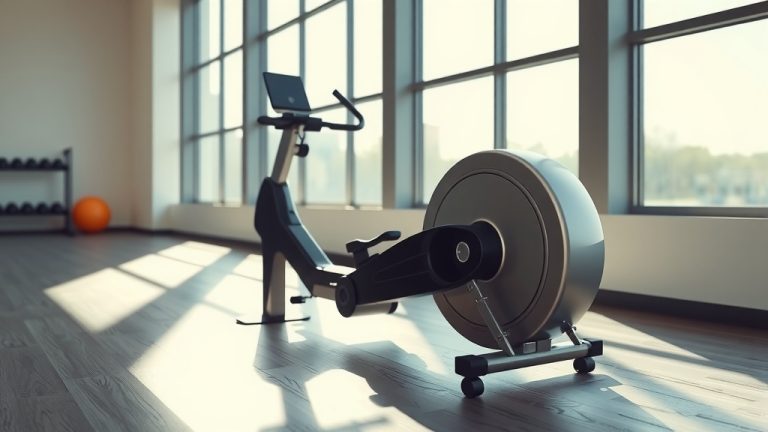
What Is A Water Rowing Machine?
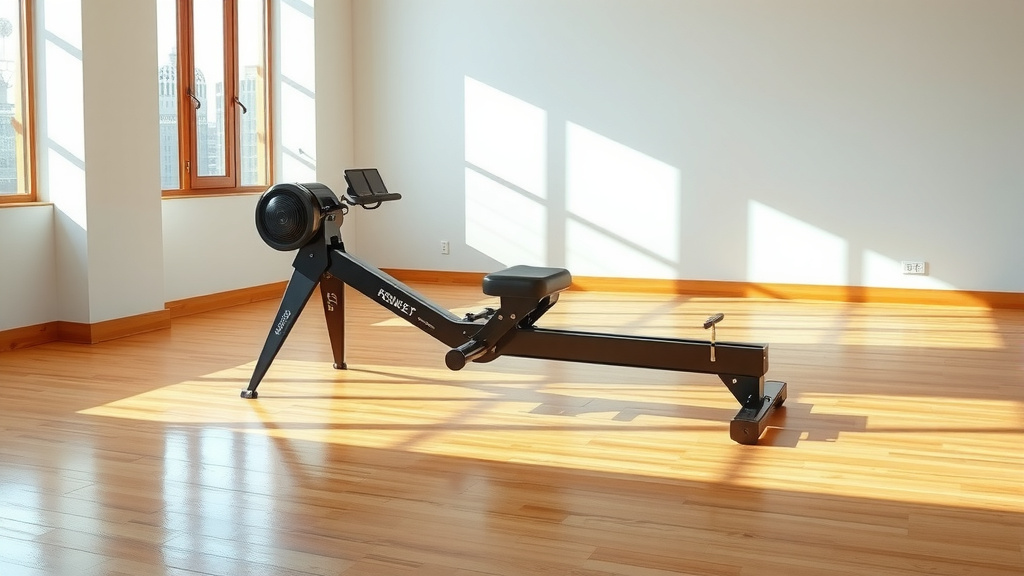
A water rowing machine is a fitness device that uses water for resistance, mimicking the natural feel of rowing on water. It provides a full-body, low-impact workout that engages major muscle groups while being gentle on your joints.
- Water rowing machines offer a fluid, natural rowing experience.
- They provide a comprehensive workout, engaging around 85% of your muscles.
- The resistance automatically adjusts to your effort, making it suitable for all fitness levels.
- These machines are known for their quiet operation and smooth motion.
- Many fitness experts recommend them for effective cardiovascular and strength training.
What Is A Water Rowing Machine?
A water rowing machine is a piece of exercise equipment designed to simulate the action of rowing a boat on water. It uses a flywheel submerged in a tank of water to create resistance when you pull the handle.
This design offers a unique and highly effective workout experience for users of all fitness levels.
The Magic of Water Resistance
Have you ever noticed how a boat moves through water? Water resistance works in a very similar way on these machines. When you pull the handle, the paddles inside the tank push against the water.
The harder you pull, the more water resistance you feel. This means the workout automatically adjusts to your strength and effort, making it truly personalized.
A Smooth, Natural Feel
One of the biggest draws of a water rower is its feel. Many users describe it as incredibly smooth and natural. It feels much like actual rowing, providing a continuous, fluid motion throughout your stroke.
This natural sensation can make your workout more enjoyable and keep you coming back for more.
Why Choose Water? Your Body Will Thank You
Choosing a water rowing machine means opting for a workout that is both powerful and kind to your body. We often find that these machines deliver incredible benefits without the usual strain.
It’s like getting a dynamic full-body exercise without harsh impacts.
Full-Body Workout Benefits
Are you looking for a workout that hits nearly every muscle? Water rowing machines are famous for this. They engage about 85% of your body’s muscles in one smooth movement (American Council on Exercise).
From your legs and glutes to your core, back, and arms, every major muscle group contributes to each stroke. This makes it an incredibly efficient way to boost your fitness.
Low-Impact on Joints
For many, joint health is a top priority. Unlike running or other high-impact activities, rowing on a water machine places minimal stress on your knees, hips, and ankles. This makes it a great option for people recovering from injuries or those with sensitive joints.
It allows you to get an intense cardio workout without the jarring impact.
Engaging Your Core
A strong core is the foundation of almost every movement you make. Rowing effectively uses your core muscles throughout the stroke, from the initial drive to the recovery phase. This consistent engagement helps to strengthen your abs and lower back.
Many experts say this contributes to better posture and reduced back pain (Harvard Health).
Comparing Water Rowers to Other Types
Understanding how water rowers stack up against other options can help you make the best choice. Each type of rowing machine has its own distinct characteristics.
Let’s look at some key differences you might consider.
Air Rowers vs. Water Rowers
When you’re comparing different rowing machines, air and water models are often at the top of the list. They each offer unique experiences for your workout.
Here’s a quick look at how they typically differ:
| Feature | Water Rower | Air Rower |
|---|---|---|
| Resistance Type | Water flywheel | Fan flywheel |
| Feel | Smooth, natural, fluid | Consistent, sometimes “airy” |
| Sound | Calming, swooshing sound | Louder fan noise |
| Resistance Adjustment | Automatic, based on effort | Automatic, based on effort (damper also adjusts airflow) |
Magnetic Rowers vs. Water Rowers
Magnetic rowers use a magnetic brake system for resistance. They are typically very quiet and can offer a wide range of resistance settings that you can often adjust digitally.
However, the feel might be less natural than a water rower, sometimes described as a bit “mechanical.” Water rowers win for natural feel and sound, while magnetic rowers are great for silence and precise resistance levels.
What to Look For in a Water Rowing Machine
Choosing the right water rowing machine can feel a bit overwhelming, but it doesn’t have to be. Think about what matters most to you in a piece of home fitness equipment.
We found that considering a few key aspects will guide you to a machine you’ll love using.
Key Features to Consider
When you’re ready to invest, some features stand out as particularly important. These aspects contribute to both your workout quality and the machine’s durability.
- Material quality (wood, steel, or aluminum frame)
- Monitor functionality (displaying time, distance, strokes per minute, calories)
- Footrest adjustability and comfort
- Seat comfort and glide smoothness
- Storage options (foldable or stand-up design)
Build Quality and Materials
The materials a rower is made from directly impact its longevity and stability. Many water rowers feature beautiful wooden frames, offering a classic aesthetic and natural vibration absorption. Others use steel or aluminum for robust durability.
Look for sturdy construction that feels solid as you row. A well-built machine will last for years.
Monitor Display Options
Your rowing machine’s monitor is your data hub. It helps you track your progress and stay motivated. Some monitors are basic, showing just time and strokes.
Others offer advanced metrics like wattage, heart rate compatibility, and even pre-programmed workouts. Consider what data points are most important for your fitness goals.
Footrests and Ergonomics
Comfort and proper alignment are crucial for an effective and safe workout. Adjustable footrests ensure your feet are securely placed and allow for varied foot sizes. A comfortable, ergonomically designed seat will prevent discomfort during longer sessions.
We often hear that a great seat and footrests make a huge difference in overall rowing enjoyment.
Getting Started: Tips for Your First Row
Taking your first strokes on a water rower is an exciting step towards better fitness. Don’t worry if it feels a little awkward at first; everyone starts somewhere.
With a little practice, you’ll be gliding smoothly in no time.
Mastering the Stroke
The rowing stroke is typically broken down into four phases: the catch, the drive, the finish, and the recovery. It’s a rhythmic motion that starts strong with your legs, follows with your core and back, and finishes with your arms.
Focus on a powerful leg push first, then lean back slightly, then pull. Reverse that for recovery.
Proper Form is Everything
Good form not only prevents injuries but also makes your workout more effective. Keep your back straight, core engaged, and shoulders relaxed. Avoid hunching or pulling too hard with just your arms. Many experts say watching instructional videos can be incredibly helpful for beginners (Mayo Clinic).
Focus on smooth, controlled movements rather than raw speed.
Consistency is Your Best Friend
Like any fitness routine, consistency is key to seeing results. Even short, regular sessions are more beneficial than sporadic long ones. Try to set a realistic schedule and stick to it.
You’ll be amazed at how quickly your strength and endurance improve with a regular rowing practice.
Maintaining Your Water Rower
Keeping your water rowing machine in top shape is surprisingly simple. A little routine care goes a long way in ensuring its longevity and smooth operation.
Here’s a quick checklist to help you out:
- Check the water level monthly and add distilled water if needed.
- Add a purification tablet every 3-6 months to prevent algae growth (often provided by manufacturer).
- Wipe down the seat and rails after each use to remove sweat.
- Inspect bungee cords and moving parts periodically for wear.
- Keep the machine stored in a dry, temperate environment.
Conclusion
A water rowing machine is more than just a piece of exercise equipment; it’s an investment in a highly effective and enjoyable way to boost your fitness. With its natural feel, low-impact full-body workout, and soothing sounds, it offers a truly unique experience.
Understanding its benefits and what to look for will help you choose the right machine and enjoy a consistent, rewarding workout routine. Your body will definitely appreciate the effort!
What kind of workout does a water rowing machine provide?
A water rowing machine offers a comprehensive, full-body workout. It targets approximately 85% of your muscles, including legs, glutes, core, back, and arms, while providing excellent cardiovascular benefits and burning calories effectively.
Are water rowing machines loud?
No, water rowing machines are generally known for being quiet. They produce a calming, natural “swooshing” sound of water, which many users find meditative and less disruptive than the fan noise of air rowers.
How does a water rower’s resistance compare to other types?
Water rowers provide “variable resistance,” meaning the resistance automatically adjusts based on how hard you pull, much like rowing on actual water. The harder you row, the more resistance you feel, offering a fluid and natural challenge.
Can beginners use a water rowing machine?
Absolutely! Water rowing machines are excellent for beginners because the resistance adjusts to your effort. You can start with a gentle pace and gradually increase intensity as your fitness improves, making it very approachable for all skill levels.
Do water rowing machines require much maintenance?
Maintenance for water rowers is minimal. It typically involves adding distilled water if the level drops, dropping a purification tablet into the tank every few months, and occasionally wiping down the rails and seat. This simple care ensures smooth operation for years.