What’S A Good Rowing Machine Workout?
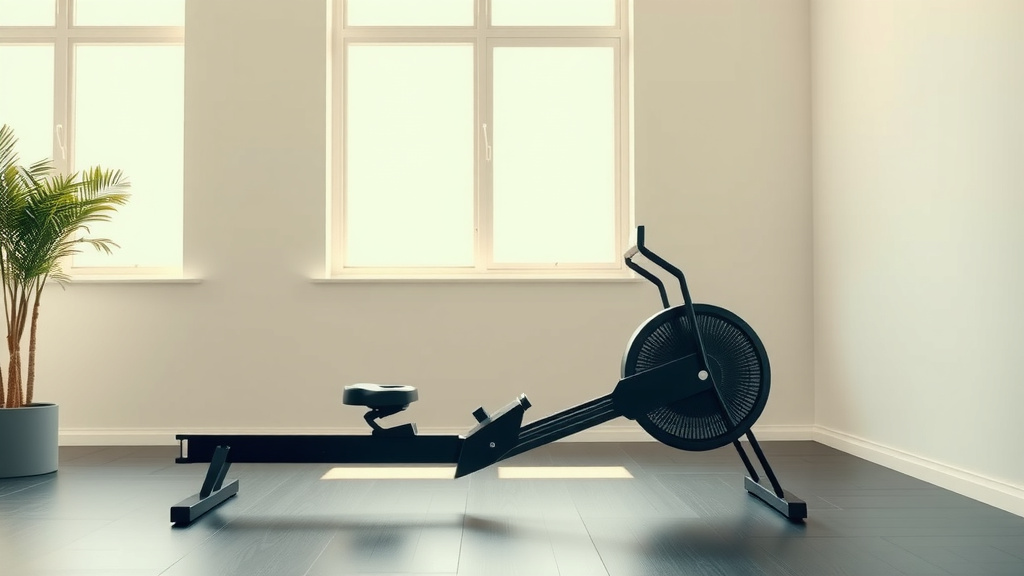
A good rowing machine workout balances proper form, consistent effort, and progressive challenges to build full-body strength and cardiovascular endurance. It tailors to your fitness level and goals, whether you are a beginner or an experienced athlete.
To get a good rowing machine workout, you should focus on a structured routine that includes warm-up, the main session with varying intensity or duration, and a cool-down, ensuring your form remains strong throughout.
Here’s a quick glance at what makes a good rowing session:
- Always start with a dynamic warm-up.
- Prioritize correct form to prevent injury and maximize benefits.
- Vary your workouts between steady-state, intervals, and pyramids.
- Gradually increase your duration, intensity, or resistance.
- Finish with a proper cool-down and stretching.
What’S A Good Rowing Machine Workout?
A good rowing machine workout is one that you can perform consistently, maintains proper form, and challenges your body effectively. It should feel engaging and leave you feeling energized, not depleted, over time.
Think of it as a journey, not a sprint. Your “good” workout will change as you get fitter.
Starting Your Rowing Journey: The Basics
Rowing is a fantastic full-body exercise. It works your legs, core, and arms all at once. This makes it very efficient for burning calories and building muscle.
When you first start, don’t worry about speed. Your main focus should be on learning the correct form. This will keep you safe and help you get the most out of every stroke.
Perfecting Your Rowing Form (Crucial First Step)
Getting your form right is like building a strong foundation for a house. There are four key phases: the catch, the drive, the finish, and the recovery.
Imagine pushing off with your legs like a powerful jump, then leaning back slightly, and finally pulling the handle to your chest. Then, smoothly reverse the motion to prepare for the next stroke.
Different Workout Goals for Your Rower
What makes a “good” workout depends on what you want to achieve. Are you aiming for a stronger heart, bigger muscles, or just better overall fitness?
You can adjust your rowing to focus on cardiovascular endurance, muscular strength, or high-intensity bursts.
Beginner-Friendly Rowing Workout
If you’re new to rowing, start slow and steady. This builds your base fitness and reinforces good habits.
Try a workout like this: 5-minute warm-up at an easy pace. Then, row for 2 minutes, followed by 1 minute of rest. Repeat this 5-8 times. Finish with a 5-minute cool-down.
Intermediate Endurance Builder
Ready to push a bit longer? Endurance workouts help your heart and lungs get stronger. Many experts suggest these longer, steady rows (Cleveland Clinic).
After a good warm-up, row continuously for 20-30 minutes at a moderate, consistent pace. You should be able to hold a conversation, but just barely. Cool down afterwards.
Advanced HIIT for Power
High-Intensity Interval Training (HIIT) is great for boosting power and speed. It involves short bursts of maximum effort followed by recovery periods.
After a 10-minute warm-up, try rowing as hard as you can for 1 minute, then rest for 30-60 seconds. Repeat this 8-10 times. Finish with a 10-minute cool-down.
The Power of Progressive Overload
To keep getting fitter, you need to challenge your body a little more each time. This is called progressive overload.
You can increase your workout duration, row faster, or add more resistance to the machine. Just remember to listen to your body and not push too hard too soon.
Monitoring Your Progress (And Why It Matters)
Keeping track of your split time (how long it takes to row 500 meters) and total distance helps you see improvements. This feedback is super motivating.
We found that consistency in tracking progress often leads to better long-term adherence to fitness goals (NIH).
| Goal | Duration (Main Set) | Intensity | Focus |
|---|---|---|---|
| Beginner Fitness | 10-16 minutes | Light to Moderate | Form and Endurance |
| Endurance Building | 20-40 minutes | Moderate, Steady | Cardio Stamina |
| Strength/Power | 15-25 minutes | High Intervals | Explosive Power |
Mixing It Up: Adding Variety to Your Rows
Doing the same workout every day can get boring. It can also lead to plateaus in your fitness journey.
Try different workout structures: some days do long, slow rows, other days focus on short, intense intervals. You can even try rowing “pyramids” where you increase then decrease your effort.
Consider these essential rowing workout elements:
- Always perform a dynamic warm-up before you start.
- Prioritize correct technique over speed or power.
- Adjust the damper setting to a comfortable level, usually 3-5.
- Vary your workouts to challenge your body differently.
- Include a proper cool-down and stretching to aid recovery.
- Hydrate well before, during, and after your session.
Common Mistakes to Avoid
Many new rowers make a few common errors. One is pulling too much with the arms and not enough with the legs. Another is rounding your back, which can cause discomfort.
We also found that rushing the recovery phase is a common mistake that can disrupt your rhythm and efficiency (Mayo Clinic).
Listen to Your Body and Rest
Your body needs time to recover and rebuild after a workout. Rest days are just as important as your active days.
If you feel pain, not just muscle fatigue, it’s a sign to stop. Pushing through pain can lead to injury, so always prioritize your well-being.
Conclusion
Creating a good rowing machine workout is all about balance. It combines proper form, varied routines, and a smart progression plan. Remember that consistency and listening to your body are the most powerful tools in your fitness arsenal.
Start where you are, build healthy habits, and watch yourself grow stronger with every stroke. You’ve got this!
What are the benefits of a regular rowing workout?
Regular rowing workouts offer full-body conditioning, improving cardiovascular health, building muscle strength across major groups, and enhancing endurance. It’s also low-impact, making it gentle on your joints.
How long should a beginner row for?
A beginner should aim for 15-20 minute sessions, including a warm-up and cool-down. Focus on maintaining good form rather than speed or distance. Gradually increase your time as your fitness improves.
Is rowing better than running for cardio?
Both rowing and running are excellent for cardio. Rowing engages more muscle groups (legs, core, upper body) than running, providing a more comprehensive full-body workout. However, running may burn more calories per minute for some individuals.
How often should I do a rowing machine workout?
Many experts suggest rowing 3-5 times a week for optimal results. It’s good to allow for rest days in between sessions, especially when you are new, to give your muscles time to recover and adapt.
Can I lose weight by only using a rowing machine?
Yes, you can definitely lose weight by consistently using a rowing machine, especially when combined with a balanced diet. Rowing burns a significant amount of calories and builds muscle, which boosts your metabolism. For best results, consider varying your workout intensity.