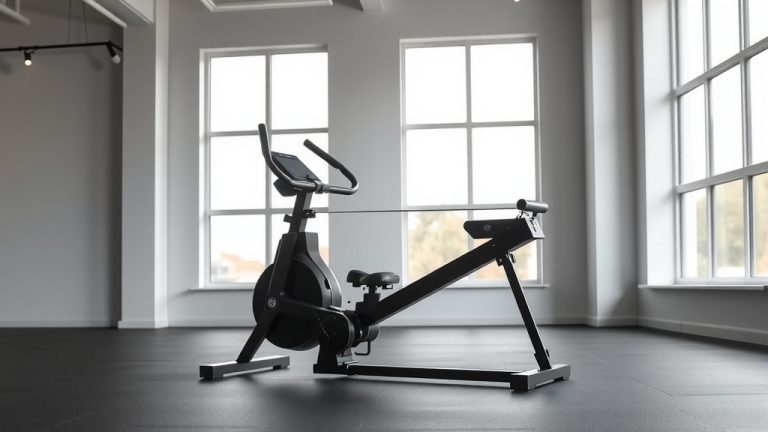
Can I Use A Rowing Machine After Hip Replacement?
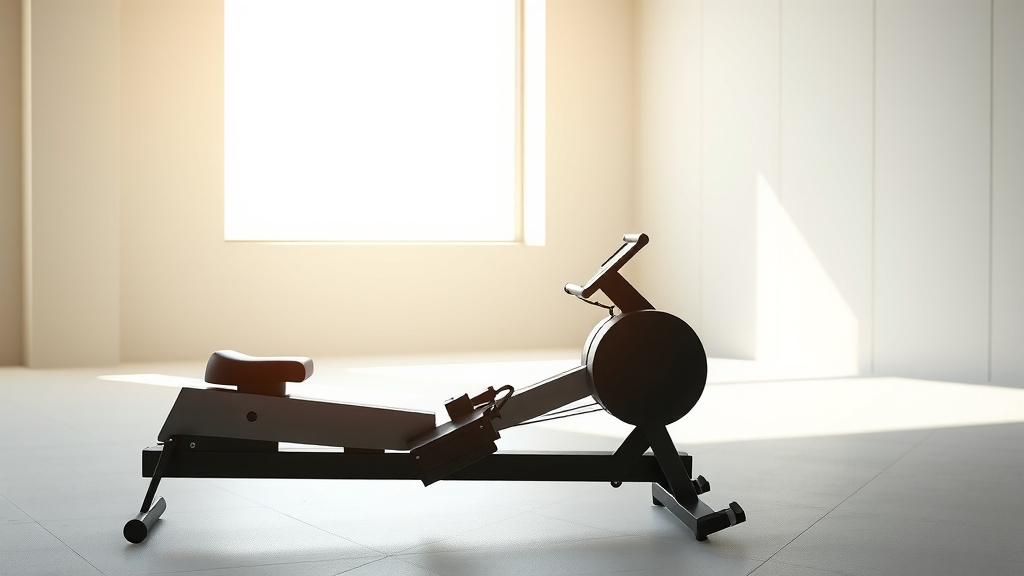
Yes, you can often use a rowing machine after hip replacement, but it requires careful timing and your surgeon’s explicit approval.
Always prioritize gentle movements and modifications to prevent excessive hip flexion or rotation, especially in the early recovery stages.
- Always talk to your surgeon or physical therapist before starting rowing.
- Begin very slowly with gentle, controlled movements and minimal resistance.
- Focus on maintaining proper form to protect your new hip.
- Listen closely to your body; stop immediately if you feel any pain.
- Rowing can be a great low-impact exercise for recovery, but timing is key.
Can I Use A Rowing Machine After Hip Replacement?
You can often use a rowing machine after hip replacement, but it is not a “one-size-fits-all” answer. Your journey back to fitness, especially with a rowing machine, must always begin with a conversation with your orthopedic surgeon or physical therapist.
The Crucial First Step: Talk to Your Doctor
Before you even think about hopping on a rowing machine, consult your medical team. Every hip replacement surgery is unique. Your doctor knows your specific procedure, recovery, and any precautions you need to take (Mayo Clinic).
Many experts say that clearance from your surgeon or physical therapist is non-negotiable. They will guide you on when it’s safe to introduce new exercises into your routine.
Understanding Your Hip’s Limits After Surgery
Your new hip has specific movement limitations during recovery. The biggest concern with rowing is often the amount of hip flexion. This is when your knee comes close to your chest.
Too much hip flexion too soon can put stress on the healing joint. It might even risk dislocation in some types of hip replacements. Protecting your new joint is paramount.
What About External Rotation?
Some rowing techniques can also involve external rotation. This is when your leg rotates outwards from your hip. This movement might also be restricted depending on your surgical approach.
Your physical therapist will have given you specific “hip precautions.” These are movements to avoid. Keep these top of mind as you consider any exercise.
When Might Rowing Become an Option?
We found that most people are advised to wait several weeks, sometimes months, before considering a rowing machine. The exact timeline varies greatly. It depends on your individual recovery progress.
Early rehabilitation usually focuses on gentle walking and specific physical therapy exercises. These help restore strength and range of motion without putting your hip at risk.
Why a Rowing Machine Can Be Beneficial
Once cleared, a rowing machine offers some fantastic benefits. It provides a full-body workout. You engage your legs, core, and upper body all at once.
It’s also a low-impact exercise. This means less stress on your joints compared to running. Many people appreciate this aspect during recovery (Cleveland Clinic).
- Full-Body Workout: Engages legs, core, and arms.
- Cardiovascular Health: Excellent for heart and lung fitness.
- Low Impact: Gentle on joints, including your new hip.
- Strength Building: Helps build muscle endurance and strength.
- Calorie Burn: Efficient way to burn calories and manage weight.
Mastering Your Rowing Form for Hip Safety
Proper form is always important on a rowing machine. After hip replacement, it’s absolutely critical. You want to minimize excessive hip flexion and keep your movements smooth.
Think of the “catch” phase as your main focus. This is where your knees are bent and you’re closest to the front. You might need to adjust your starting position.
The Modified Catch
Many experts suggest a “modified catch.” This means you don’t slide as far forward as usual. Keep your shins more vertical, rather than letting them go past your ankles.
Your physical therapist can help you find this safe position. They can watch your movements and offer real-time adjustments. Don’t skip this personalized guidance.
Adjusting Your Rowing Machine
A few tweaks to your machine can make a big difference. Consider a higher seat position if possible. Some machines allow for this, which can reduce hip flexion.
Start with very low resistance. Focus on smooth, controlled strokes. It’s not about speed or power initially; it’s about movement quality.
Listen to Your Body: The Ultimate Guide
Your body sends important signals. If you feel any pain, clicking, or discomfort, stop immediately. Pushing through pain can lead to setbacks or even injury.
Think of it like a gentle conversation with your hip. Does it feel okay with this movement? If not, back off. There’s no need to rush your recovery.
Signs to Watch For
Be alert for increased stiffness, swelling, or new aches after rowing. These could be signs you’ve overdone it. It’s better to be cautious and slow down.
Remember that “good pain” from muscle exertion is different from “bad pain” from joint irritation. Learn to distinguish between the two.
Comparing Rowing to Other Exercises
Rowing is just one option for exercise after hip replacement. Here’s how it stacks up against some other low-impact activities:
| Exercise | Hip Flexion Potential | Joint Impact | Full-Body Engagement |
|---|---|---|---|
| Rowing Machine | Moderate (adjustable) | Low | High |
| Stationary Bike | Moderate (adjustable) | Very Low | Low (legs focus) |
| Walking | Low | Low-Moderate | Low |
| Swimming/Water Aerobics | Variable | Very Low | High |
A Gentle Start: The First Few Sessions
When you get the green light, start with very short sessions. Five to ten minutes might be enough at first. The goal is gentle movement, not an intense workout.
Increase duration and resistance very gradually over time. Think of it like a slow dance with your recovery, not a sprint. Consistency with caution wins the race.
Your Rowing Readiness Checklist
Are you wondering if you’re ready to try rowing? Consider these points:
- Has your surgeon or physical therapist given you explicit approval?
- Can you perform daily activities without significant pain?
- Do you have good control and strength in your core and legs?
- Are you able to maintain proper posture comfortably?
- Can you sit and stand easily without awkward movements?
Conclusion
Using a rowing machine after hip replacement can be a fantastic way to regain fitness. It offers a comprehensive, low-impact workout that many people enjoy. However, the timing and approach are key to your success and safety.
Always prioritize medical advice from your surgeon and physical therapist. Listen to your body’s feedback, start slowly, and focus on meticulous form. With the right guidance and careful progression, you can integrate rowing back into your active life. Your health and long-term joint integrity are worth the patience.
Can a rowing machine damage my new hip?
A rowing machine can potentially damage a new hip if used too soon, with incorrect form, or with excessive hip flexion. It is crucial to get medical clearance and follow precise instructions to avoid stressing the healing joint or risking dislocation. Always prioritize proper technique over intensity.
What is the ideal hip flexion for rowing post-surgery?
The ideal hip flexion for rowing post-surgery is generally kept to a minimum. You should avoid bending your hip beyond 90 degrees, especially in the early recovery phase. Your physical therapist will demonstrate a “modified catch” position that keeps your knees from coming too close to your chest.
How long should I wait after hip replacement before trying to row?
The waiting period varies widely, but typically ranges from several weeks to a few months. Most people need significant time for tissue healing and strength recovery. Your orthopedic surgeon or physical therapist will provide a personalized timeline based on your specific surgery and progress.
Are there any rowing machine alternatives that are safer for hips?
Yes, some alternatives might initially be safer. These include stationary biking with a raised seat, walking, and water exercises like swimming or water aerobics. These activities typically allow for more controlled hip movement and can be adjusted more easily to minimize hip flexion and impact.
What if I feel pain during or after rowing?
If you experience any pain, sharp sensations, clicking, or unusual discomfort during or after rowing, stop immediately. It’s a sign that the activity might be too strenuous, too soon, or that your form needs adjustment. Consult your physical therapist or surgeon to assess the issue and modify your exercise plan.