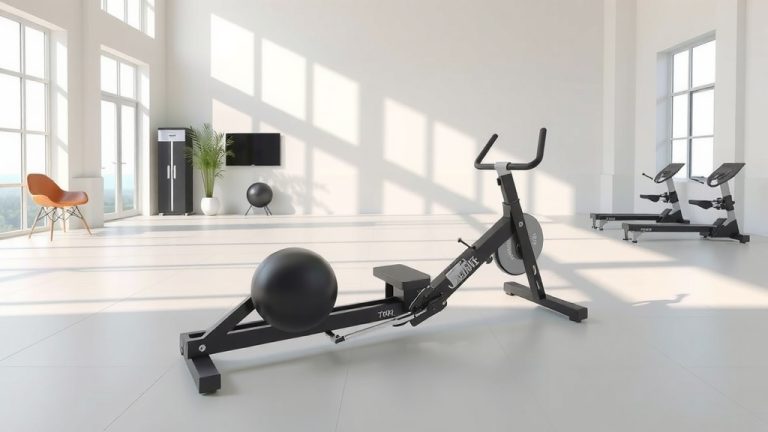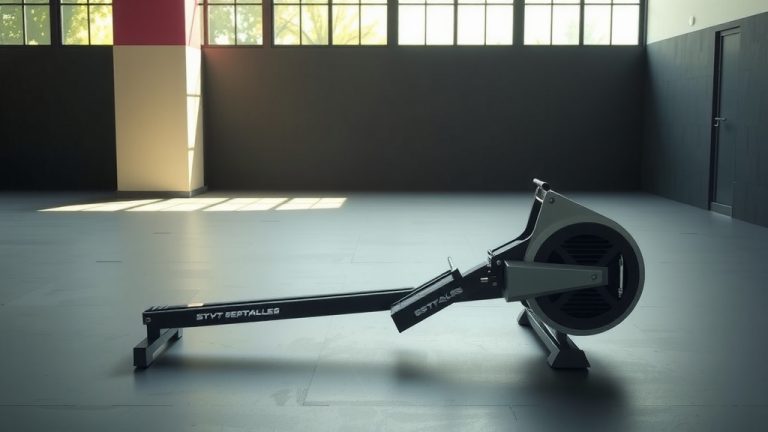
Can I Use A Rowing Machine With Lower Back Pain?
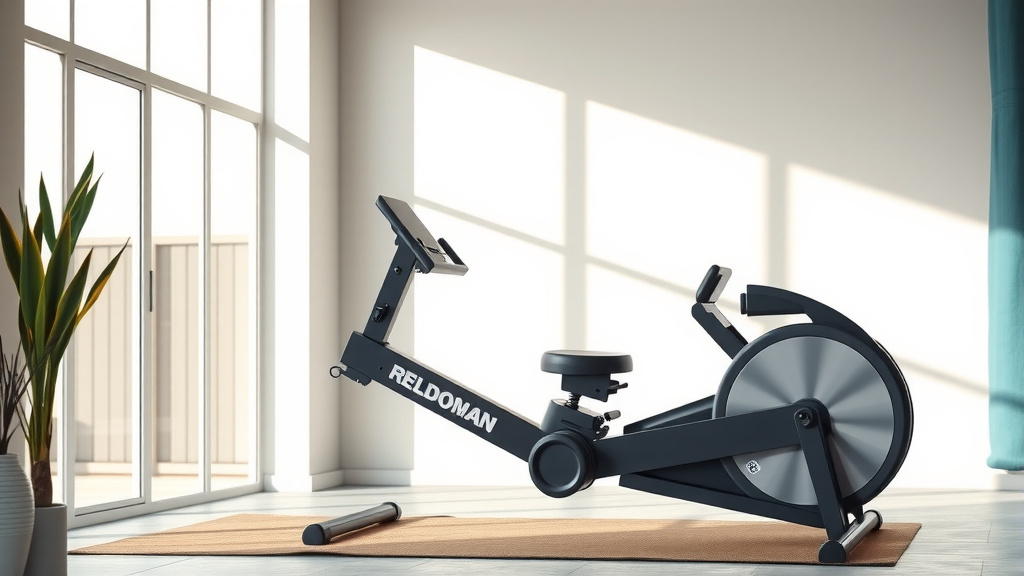
You can often use a rowing machine with lower back pain, but it demands proper technique, careful machine setup, and a clear understanding of your specific back condition. Always consult your doctor or a physical therapist before starting.
If you have acute or severe lower back pain, or a diagnosed disk issue, rowing could worsen your condition; however, for mild, non-specific discomfort, it might be beneficial with the right precautions.
Here’s a quick overview of what you’ll learn in this guide:
- Whether rowing is safe for YOUR specific back pain.
- How to use proper rowing form to protect your spine.
- Key adjustments on the machine for comfort and safety.
- When you should absolutely avoid a rowing machine.
- Helpful tips for starting slow and building strength.
Can I Use A Rowing Machine With Lower Back Pain?
Generally, yes, you can use a rowing machine with lower back pain, provided you approach it with caution and correct form. Many people find rowing a low-impact exercise that strengthens core muscles, which can help support the back.
Understanding Your Back Pain First
Before you even think about sitting on a rower, pause for a moment. What kind of back pain are you experiencing? Is it a dull ache, a sharp stab, or a constant throbbing?
Many experts say that understanding the nature of your pain is the first and most critical step (Mayo Clinic). Self-diagnosing your back pain is not a good idea. Always talk to a healthcare professional before starting any new exercise program, especially with back issues.
When Rowing Might Be Okay
If your back pain is mild and non-specific, perhaps a general stiffness or muscular fatigue, rowing might be fine. Research often shows that controlled movement can aid recovery for certain types of chronic lower back pain (NIH).
This type of pain often improves with gentle exercise and core strengthening. Your doctor might even suggest it as part of a rehabilitation plan.
When to Absolutely Avoid Rowing
There are definite red flags. If you have acute, sharp pain, a diagnosed disc herniation, sciatica, or pain radiating down your leg, you should avoid rowing until cleared by a medical professional. Pushing through these types of pain can lead to serious injury.
Never ignore numbness, tingling, or weakness in your legs. These are signs that require immediate medical attention (Cleveland Clinic).
The Rowing Stroke: Friend or Foe?
The rowing stroke, when done correctly, is a full-body workout that engages your legs, core, and arms. When done incorrectly, it can put undue stress on your lower back. Think of it like a dance; every step matters.
The Catch Phase and Your Back
The “catch” is when you’re at the front of the machine, knees bent, arms extended. The common mistake here is over-reaching or rounding your lower back. This posture places a lot of strain on your spine.
Instead, keep your back naturally straight, leaning forward slightly from your hips. We found that maintaining a strong, upright posture at the catch prevents initial back stress.
The Drive and Your Core
The “drive” is the powerful push back with your legs. This is where most of the work happens. Your core muscles act like a bridge, connecting your upper body to your lower body.
If your core is weak or disengaged, your lower back often compensates. Many experts recommend focusing on bracing your abs gently throughout the drive. This helps protect your spine.
The Finish and Recovery
At the “finish,” your legs are straight, and you’re leaning back slightly. The “recovery” is the smooth return to the catch. A sudden, uncontrolled recovery can jar your back.
Keep your movements fluid and controlled. Resist the urge to rush back to the front. Smooth transitions are key to keeping your spine happy.
Proper Form is Your Best Friend
Think of proper rowing form as a shield for your back. It’s not just about looking good; it’s about staying safe and effective. Watching videos from rowing experts can be incredibly helpful.
We found that beginners often make a few common mistakes that can stress the back. It’s worth taking the time to learn the correct movement patterns from day one.
| Common Rowing Mistake | Correct Form Guideline |
|---|---|
| Rounding your lower back at the catch. | Maintain a straight back, hinge from hips. |
| Pulling with arms too early in the drive. | Push with legs first, then swing back with core, then pull with arms. |
| Leaning back too far at the finish. | Slight lean back (11 o’clock position), engage core. |
| Rushing the recovery phase. | Control the recovery, allow arms to extend first. |
| Gripping the handle too tightly. | Relaxed grip, light touch, avoid shoulder tension. |
Adjusting Your Rowing Machine for Comfort
Your rowing machine isn’t a one-size-fits-all device. Adjusting it can make a big difference in how your back feels. These small tweaks can offer significant comfort and protection.
Seat Position Matters
While most rowing machine seats don’t adjust vertically, paying attention to your posture on the seat is vital. Ensure you’re sitting tall on your sit bones, not slouching back onto your tailbone. A slight forward tilt of the pelvis can help.
Foot Straps and Flexibility
Your foot straps should hold your feet securely, typically across the widest part. If your ankles or hamstrings are tight, you might find it hard to achieve a good catch position without rounding your back.
Consider some gentle stretching before you row. We found that improved flexibility in hamstrings and hips can greatly aid proper form.
The Role of Your Core Strength
Your core muscles are more than just your abs; they include muscles deep within your torso that support your spine. A strong core is like a natural back brace.
Many guidelines point to core strength as a key factor in preventing back pain (Mayo Clinic). Incorporating planks, bird-dogs, and glute bridges into your routine can complement your rowing efforts.
Starting Slow and Listening to Your Body
If you’re new to rowing or returning after an injury, slow and steady wins the race. Don’t try to break any speed records on your first few sessions. Focus on mastering the movement.
Listen intently to your body. Is that discomfort normal muscle fatigue, or is it a warning sign of pain? We found that gradual progression is safer and more effective long-term.
Here’s a checklist to help you:
- Does your back pain increase during or after rowing?
- Do you feel any sharp, shooting, or radiating pain?
- Is your pain worse on one side of your back?
- Are you experiencing numbness or tingling in your legs?
- Does your posture feel forced or unnatural during the stroke?
- Are you compensating for a weak core with your lower back?
Alternative Low-Impact Cardio Options
If rowing proves too challenging for your back, don’t despair! There are many other excellent low-impact cardio choices available. Exercise bikes (especially recumbent bikes), ellipticals, and swimming are fantastic alternatives.
These options still offer a great workout without the intense spinal flexion and extension that rowing can sometimes involve. The goal is to stay active and healthy, no matter the method.
When to Seek Professional Advice
If you experience persistent back pain, or if rowing aggravates an existing condition, please consult a physical therapist or doctor. They can provide a personalized assessment and guidance.
A physical therapist can analyze your rowing form, suggest specific strengthening exercises, and help you get back to pain-free movement. Early intervention is often best.
Conclusion
Using a rowing machine with lower back pain is possible, but it truly hinges on careful attention to form, proper machine setup, and a deep understanding of your body’s signals. Always prioritize your back health. Start with medical advice, master your technique, and listen when your body asks you to slow down or stop. Rowing can be a wonderful, full-body workout that supports a strong core and back when done correctly.
Can a rowing machine strengthen my lower back?
Yes, a rowing machine can strengthen the muscles that support your lower back, particularly your core and glutes, when used with correct form. A strong core helps stabilize the spine, potentially reducing back pain over time. However, it’s not a direct back strengthening exercise in the way deadlifts might be.
What is the most common rowing mistake that causes back pain?
The most common rowing mistake causing back pain is rounding the lower back, especially during the “catch” phase (the front of the stroke). This puts excessive strain on the lumbar spine. Instead, you should hinge forward from your hips, keeping your back straight and core engaged.
Should I use a lumbar support cushion on my rowing machine?
While some people find lumbar support cushions helpful for comfort, relying too heavily on them might prevent your core muscles from engaging properly. It’s generally better to focus on improving your core strength and rowing form to naturally support your back. If using one, ensure it doesn’t hinder your ability to maintain a straight back.
How can I warm up my back before using a rowing machine?
Before rowing, perform dynamic stretches like gentle cat-cow stretches, pelvic tilts, hip circles, and light twists to warm up your spine and surrounding muscles. A few minutes of light cardio like walking can also prepare your body for the workout. Always avoid static stretching before a workout.
What resistance level is best for rowing with lower back pain?
When you have lower back pain, starting with a lower resistance level is often best. This allows you to focus on mastering proper form and technique without putting undue stress on your back. As your core strength improves and pain subsides, you can gradually increase the resistance. Prioritize form over intensity.