
Can You Build a Full Body Workout with Just a Rowing Machine?
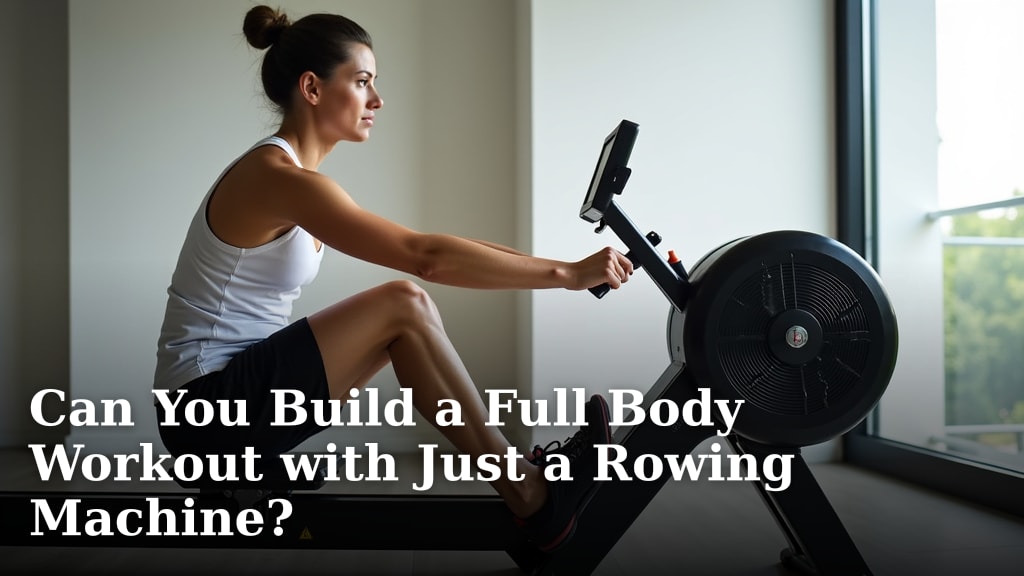
Yes, you absolutely can build a full body workout with just a rowing machine. Rowing engages over 85% of your muscles. This includes your legs, core, and upper body all in one smooth motion. It’s a fantastic way to get a complete exercise with minimal equipment.
Many people think of rowing as just a cardio exercise. But research and user experiences show it’s much more. You can effectively target strength, endurance, and even flexibility. This makes it a highly efficient choice for a home gym or limited space. It’s surprisingly versatile.
- Yes, a rower is great for a full body workout.
- It works over 85% of your muscles.
- You can achieve strength and cardio gains.
- It’s efficient for limited space.
Ready to see how you can make the rowing machine your all-in-one fitness solution? Let’s break down exactly how to do it. Ready to see how you can make the rowing machine your all-in-one fitness solution? Our beginner’s guide shows you how.
“`htmlYou’re probably wondering if that sleek rowing machine in your living room can really do it all. The short answer is a resounding yes! It’s not just about getting your heart rate up; it’s a seriously effective tool for a balanced, full-body workout. You can build strength, boost endurance, and even improve your flexibility, all from one machine. Let’s dive into how you can make this your go-to fitness powerhouse.
Maximizing Your Rowing Machine for Total Body Fitness
Building a complete workout with a rower might seem challenging. But research shows it’s surprisingly achievable. Many people use rowers solely for cardio. However, it can be adapted for a more robust fitness routine. You’re engaging muscles from your toes to your fingertips with every stroke. This means you’re getting a lot of bang for your buck, or rather, for your workout time.
Understanding the Rowing Motion and Muscle Engagement
Think about what happens when you pull on the handle. Your legs push back, your core stabilizes your torso, and your arms pull the handle towards you. This sequence works a wide array of muscles. We’re talking about your quadriceps, hamstrings, and glutes in your legs. Your abs and lower back muscles are constantly working to keep you stable. And don’t forget your shoulders, biceps, and back muscles, which are vital for the pull phase.
- Leg Drive: Primarily your quads and hamstrings.
- Core Engagement: Your abs and obliques keep you upright.
- Upper Body Pull: Your back, biceps, and shoulders finish the stroke.
The CDC recommends adults get at least 150 minutes of moderate-intensity aerobic activity per week. A rowing workout can easily help you meet that goal. Plus, the strength component adds to its overall effectiveness. It’s a versatile piece of equipment for your fitness journey.
Structuring Your Rowing Workout for Maximum Impact
To truly get a full-body workout, you need to think beyond just steady-state rowing. You can introduce different intensity levels and workout structures. This will challenge your muscles in new ways and prevent your body from plateauing. It’s like giving your muscles a varied diet instead of the same meal every day.
Interval Training for Strength and Endurance
Interval training is your best friend here. This involves alternating between periods of high-intensity effort and recovery. For example, you could do 30 seconds of hard rowing followed by 60 seconds of easy rowing. This type of training is excellent for building both Interval training is your best friend here, as it’s excellent for building both cardiovascular endurance and muscular strength.cardiovascular endurance and muscular strength. Many found that this method is highly effective for calorie burning too.
You can also change the stroke rate and resistance. Higher resistance with fewer strokes can feel more like strength training. Lower resistance with a faster stroke rate will push your cardio limits. Experimenting with these variables keeps things interesting and targets different aspects of fitness. Research from the Mayo Clinic suggests that varied exercise routines are key to long-term adherence and results.
Building a Strength-Focused Rowing Session
To lean more into the strength aspect, focus on fewer, more powerful strokes. Try rowing for shorter distances or durations at a higher intensity. For instance, you might aim for sets of 500 meters with longer rest periods in between. This approach mimics traditional strength training sets. You’re allowing your muscles to recover and then engaging them with significant force.
Consider increasing the damper setting on your rower. This creates more water resistance, making each stroke a tougher challenge. Think of it as lifting heavier weights. You’ll likely feel it more in your legs and back. Many experts say this type of resistance training is vital for maintaining muscle mass as you age.
Cardio-Dominant Rowing Workouts
For pure cardiovascular conditioning, longer, steady-state rows are your go-to. Aim for sessions of 20-30 minutes or more at a moderate pace. You should be able to hold a conversation, but with some effort. This builds your aerobic base, which is essential for overall health and endurance. It’s also a great way to burn calories and improve heart health.
You can also incorporate ‘pyramid’ intervals. This means rowing for progressively longer or shorter durations at varying intensities. For example, you might do 1 minute hard, 2 minutes easy, then 2 minutes hard, 1 minute easy, and so on. This keeps your heart rate elevated and your body guessing. It’s a fantastic way to improve stamina.
Incorporating Variations to Target Specific Muscle Groups
While rowing is naturally a full-body exercise, you can tweak your technique to emphasize certain areas. It’s not about reinventing the wheel, but rather about conscious effort. Small adjustments can make a big difference in muscle activation.
Focusing on Leg Power (The Drive Phase)
The ‘catch’ and ‘drive’ phases are where your legs do most of the work. To maximize this, ensure your initial movement is a strong push from your feet. Think about driving through your heels. Keeping your back straight and core engaged throughout this push is critical. This movement should feel powerful and controlled. Many fitness professionals recommend visualizing pushing the floor away from you.
Engaging Your Core (The Transition)
As you transition from the leg drive to the pull, your core is working overtime. Keep your core tight, like you’re bracing for a punch. This prevents your body from collapsing forward and ensures efficient power transfer. A strong core is the foundation of good rowing technique. It protects your lower back and allows for a more powerful stroke.
Maximizing Upper Body Engagement (The Pull)
The final part of the stroke involves pulling the handle towards your sternum. Focus on using your back muscles (lats and rhomboids) to initiate the pull. Your arms should feel like they are assisting, not leading. Think about squeezing your shoulder blades together. This technique ensures you’re using your larger upper body muscles effectively. It’s not just an arm workout.
Beyond the Stroke: Adding Complementary Movements
While the rower is fantastic, you can enhance your full-body workout with a few simple bodyweight exercises. These can be done on or off the machine. They add variety and ensure all major muscle groups are thoroughly worked. Think of these as the supporting cast for your rowing star.
Seated Core Work on the Rower
You can do exercises like Russian twists while seated on the rower’s seat. Simply hold a light weight or just your hands. Lean back slightly with your feet on the footplates (but don’t row). Twist your torso from side to side. This directly targets your obliques. It’s a simple way to add core-specific work without leaving the machine.
Bodyweight Exercises for a Complete Circuit
Consider adding exercises like squats, lunges, push-ups, and planks. You can do these between rowing intervals. For example, after a hard rowing sprint, do 10-15 squats. Then, hop back on the rower. This combination creates a circuit that hits every major muscle group. It makes your rowing machine sessions even more comprehensive. Many find this approach boosts their overall fitness levels.
Here’s a sample circuit idea:
- Row hard for 2 minutes.
- Do 15 Bodyweight Squats.
- Row easy for 1 minute.
- Do 10 Push-ups.
- Row hard for 1 minute.
- Do 20 Second Plank.
- Repeat the circuit 3-4 times.
This structure ensures you’re getting your cardio in while also building functional strength. It’s a well-rounded approach. You’re hitting your legs, core, and upper body effectively.
Tracking Your Progress and Staying Motivated
Most rowing machines come with built-in monitors. These track your distance, time, stroke rate, and calories burned. Use these metrics to set goals and track your improvement. Seeing your progress can be a powerful motivator. Many apps also connect to rowing machines to provide more detailed workout data and training plans.
Consistency is key. Aim for at least 3-4 rowing sessions per week. Varying your workouts, as we’ve discussed, will keep things fresh and prevent boredom. Listening to music or podcasts can also make longer sessions more enjoyable. You’ve got this!
“` “`html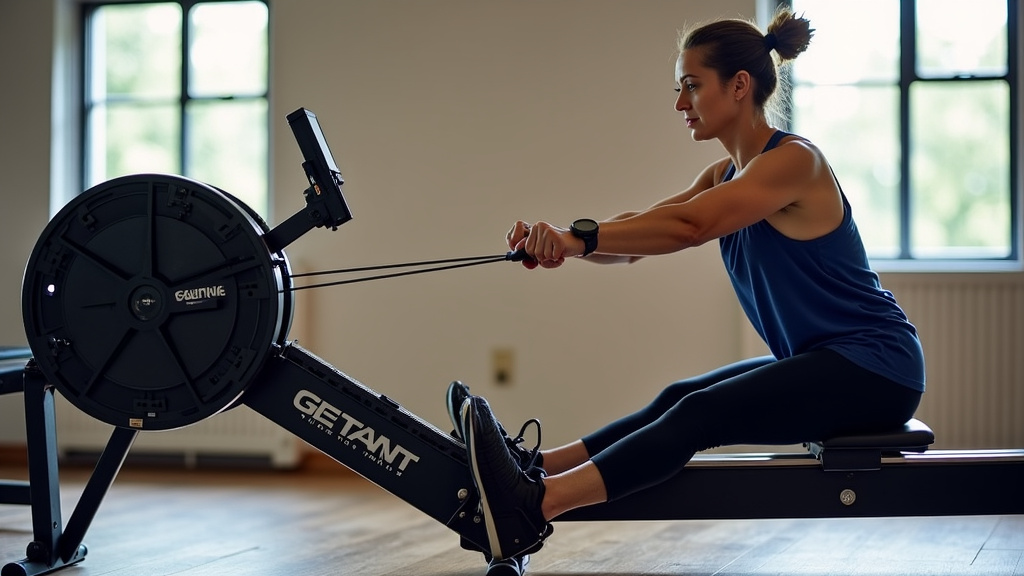
Conclusion
You’ve seen that your rowing machine is far more than just a cardio tool. It’s a powerhouse for building strength and endurance across your entire body. By adjusting your technique and workout structure, you can effectively target muscle groups and improve your fitness. Remember to vary your intensity and incorporate those simple bodyweight exercises. Start by planning your next rowing session, focusing on one new technique or interval you learned today.
Frequently Asked Questions
How many calories can I burn on a rowing machine?
Calorie burn varies greatly depending on your intensity, duration, and body weight. Research suggests a moderate 30-minute rowing session can burn between 200-400 calories. Pushing harder and longer will naturally increase this number. Tracking your workouts can help you see your personal burn rate.
Can rowing help me lose weight?
Yes, rowing is an excellent tool for weight loss. It provides a high-intensity, full-body workout that burns a significant amount of calories. Combining consistent rowing sessions with a balanced diet is key for effective weight management. You’ll build muscle, which also helps boost your metabolism over time.
Is rowing hard on your knees?
Rowing is generally considered low-impact and can be easier on the knees than activities like running. The motion is fluid and controlled. Proper form is essential to avoid strain. If you have existing knee issues, consult with a healthcare provider before starting.
What is the best rowing machine workout for beginners?
For beginners, start with steady-state rowing for 15-20 minutes at a comfortable intensity. Focus on mastering the basic rowing stroke. Gradually increase your duration and introduce intervals as you get fitter. Many machines have beginner programs to guide you. Always prioritize good form over speed.
How often should I use a rowing machine for results?
Aim for 3-4 rowing sessions per week for noticeable results. Consistency is more important than intensity, especially when you’re starting. Listen to your body and allow for rest days to recover. As you build endurance, you can increase the frequency or intensity of your workouts.
“`