Can You Get Ripped With A Rowing Machine?
Yes, you absolutely can get ripped with a rowing machine, provided you combine consistent, intense workouts with a smart nutrition plan and proper rest. Rowing is a fantastic full-body exercise that targets major muscle groups and provides excellent cardiovascular conditioning.
Achieving a “ripped” physique means reducing body fat while maintaining or building muscle mass, and a rowing machine is a powerful tool to help you reach that goal effectively.
- A rowing machine offers a full-body workout, engaging about 85% of your muscles.
- It burns significant calories, aiding in fat loss crucial for a ripped look.
- Combining rowing with strength training and a protein-rich diet maximizes muscle definition.
- Consistency, progressive overload, and varied workouts are key to seeing results.
Can You Get Ripped With A Rowing Machine?
You can certainly achieve a ripped physique using a rowing machine. This machine is a powerhouse for building muscle and burning fat simultaneously.
Many fitness experts agree that rowing provides a unique blend of strength and cardio benefits, making it an excellent choice for body recomposition.
What Does “Ripped” Actually Mean?
When you say “ripped,” you are talking about a physique with low body fat and visible muscle definition. It is not just about big muscles; it is about showing them off.
This means your strategy needs to focus on both building lean muscle and effectively stripping away fat.
The Science Behind Getting Ripped
To get ripped, you need a caloric deficit to lose fat, combined with enough resistance to retain or build muscle. Rowing delivers resistance across many muscle groups (NIH).
This dual action makes it very efficient for body transformation. Your body works harder, using more energy and tightening your muscles.
Rowing: A Full-Body Powerhouse
Think about the rowing stroke. It is a symphony of movement involving almost every major muscle group in your body.
From your legs pushing off to your core stabilizing, and your arms pulling back, it is a truly comprehensive exercise.
Legs for Days: The Drive
The initial drive phase of rowing primarily uses your powerful leg muscles. We found that your quadriceps, hamstrings, and glutes get a serious workout.
This leg drive is crucial for generating power and building strength in your lower body.
Core Strength: The Connection
Your core acts as the link between your upper and lower body. A strong core is not just for stability; it also transfers power effectively.
Research shows that engaging your abs and back muscles helps maintain good form and prevents injury (Mayo Clinic).
Upper Body Pull: The Finish
As you extend your legs, your back, shoulders, and arms finish the stroke. Your lats, traps, biceps, and triceps are all actively engaged.
This pulling motion helps sculpt your upper body, contributing to that desirable “ripped” look.
Calorie Burning Champion
Rowing is also an incredible cardiovascular workout. It significantly elevates your heart rate, leading to substantial calorie burn.
Many fitness studies indicate that high-intensity rowing can burn hundreds of calories in a short period, which is essential for fat loss.
HIIT and Rowing: A Perfect Match
High-Intensity Interval Training (HIIT) on a rowing machine is a game-changer for fat burning. Short bursts of maximum effort followed by brief recovery periods truly ignite your metabolism.
This method keeps burning calories even after your workout ends, a phenomenon known as EPOC, or “afterburn effect.”
Building Muscle Definition with Rowing
While rowing primarily offers muscular endurance, you can adjust your technique and intensity to build more muscle definition.
Heavier resistance and slower, controlled strokes can mimic strength training, challenging your muscles more directly.
- Increase drag or resistance settings.
- Focus on powerful, explosive drives.
- Slow down the recovery phase for added control.
- Incorporate strength-focused intervals into your routine.
The Role of Nutrition: Fueling the Shred
You can row all day, but without proper nutrition, getting ripped will be a distant dream. What you eat is just as important as how you train.
Focus on a balanced diet rich in lean protein, complex carbohydrates, and healthy fats.
Protein Power for Muscle
Protein is the building block for muscle. Make sure you consume enough protein to support muscle repair and growth after your intense rowing sessions.
Many experts suggest aiming for around 0.7-1 gram of protein per pound of body weight daily when trying to get ripped.
Carbs for Energy, Fats for Health
Do not shun carbohydrates; they fuel your workouts. Opt for whole grains, fruits, and vegetables for sustained energy.
Healthy fats are crucial for hormone function and overall health. Think avocados, nuts, and olive oil.
Crafting Your Rowing Program for a Ripped Physique
To truly get ripped, your rowing routine needs variety and progression. Just doing the same workout every day will lead to a plateau.
Mix things up with different intensities and durations to keep your body guessing and adapting.
| Workout Type | Focus | How It Helps |
|---|---|---|
| HIIT Rowing | Fat Loss, Metabolism Boost | Burns maximum calories in short time, great for stripping fat. |
| Steady-State Cardio | Endurance, Sustained Calorie Burn | Longer duration, helps maintain caloric deficit for fat loss. |
| Strength Intervals | Muscle Definition, Power | Higher resistance, slower strokes; challenges muscles directly. |
Combining Rowing with Strength Training
While rowing is a full-body workout, incorporating dedicated strength training can accelerate your results. Lifting weights complements rowing perfectly.
Many personal trainers recommend a blend: perhaps rowing three days a week and lifting two or three days.
Consistency and Progression: Your Ripped Roadmap
You will not get ripped overnight. Consistency is truly the secret ingredient. Show up, put in the work, and stick to your plan.
Progression means gradually increasing your workout intensity, duration, or resistance over time. This continuous challenge keeps your body adapting and improving.
The Importance of Rest and Recovery
Your muscles do not grow during your workout; they grow while you rest. Prioritize adequate sleep and allow your body time to recover.
Overtraining can lead to injury and burnout, hindering your progress. Listen to your body.
Checklist for Getting Ripped with a Rowing Machine:
- Commit to consistent rowing workouts.
- Integrate HIIT and strength intervals.
- Maintain a caloric deficit with a high-protein diet.
- Include dedicated strength training sessions.
- Prioritize sufficient sleep and recovery.
- Track your progress to stay motivated.
Conclusion
Getting ripped with a rowing machine is absolutely within reach when you approach it strategically. It offers a powerful combination of cardio and strength work that burns fat and builds lean muscle.
Remember, it is a journey requiring dedication in your workouts, smart nutrition choices, and ample rest. Stay consistent, push your limits safely, and you will see amazing transformations.
Can a rowing machine build noticeable muscle?
Yes, a rowing machine can build noticeable muscle, especially in your legs, back, shoulders, and core. While it excels at muscular endurance, using higher resistance and explosive strokes can increase muscle size and definition, making your muscles more prominent.
How often should I row to get ripped?
To get ripped, aim for 3-5 rowing sessions per week, combining high-intensity interval training (HIIT) with some steady-state cardio. Consistency is key, alongside a solid nutrition plan and complementary strength training.
Is rowing better than running for getting ripped?
Rowing is often considered more effective than running for getting ripped because it is a full-body workout that engages far more muscle groups. While running is great for cardio and fat loss, rowing provides both cardiovascular benefits and significant muscle engagement, leading to a more comprehensive body transformation.
Do I need to lift weights if I’m rowing to get ripped?
While rowing builds muscle, incorporating dedicated weightlifting sessions will accelerate your progress in getting ripped. Weight training allows for specific muscle targeting and heavier loads, which is crucial for maximizing muscle growth and density, complementing the conditioning from rowing.
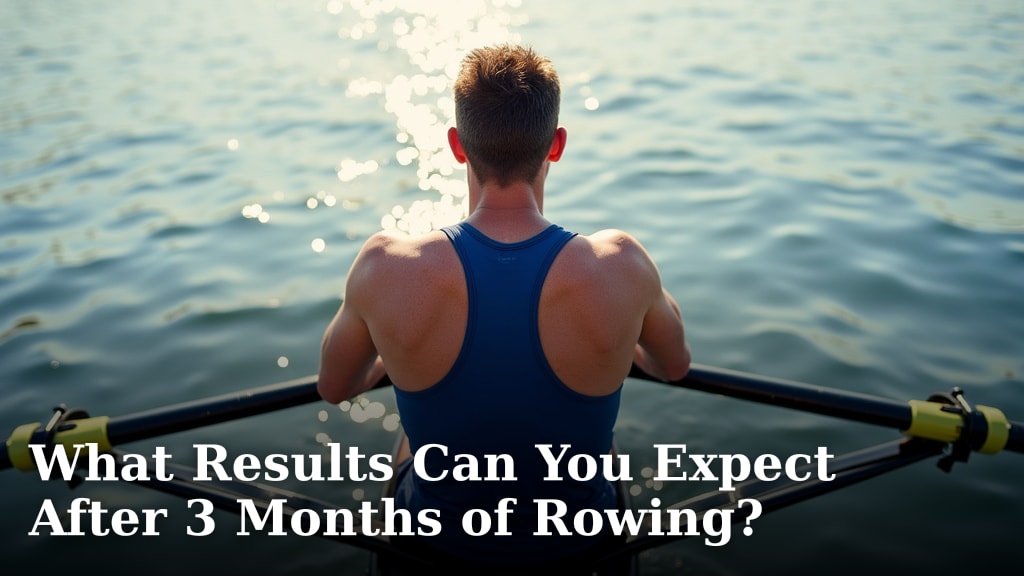
How long does it take to see results from rowing?
You can typically start seeing noticeable results from rowing within 4-8 weeks of consistent effort, proper nutrition, and adequate rest. Significant “ripped” changes, which involve substantial body fat reduction and muscle definition, usually take 3-6 months or longer, depending on your starting point and commitment.