
Can You Row on a Rowing Machine While Pregnant?
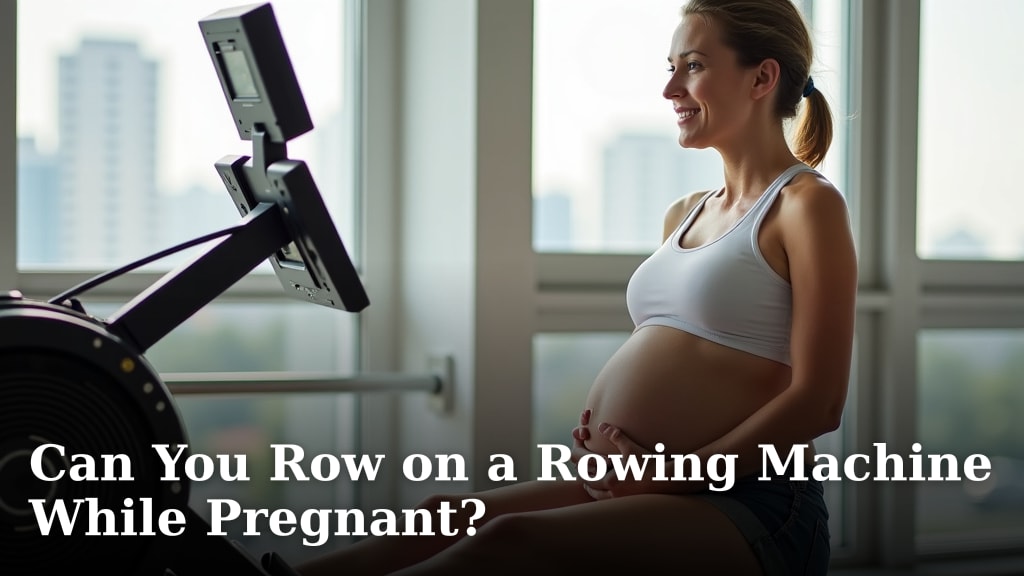
Yes, you can absolutely use a rowing machine while pregnant, but with some important modifications and precautions. Many doctors and fitness professionals agree that moderate, low-impact exercise like rowing can be beneficial for expectant mothers, provided you listen to your body and get clearance from your healthcare provider. It’s all about staying safe and comfortable.
Rowing offers a fantastic full-body workout that can help maintain your strength and stamina throughout pregnancy. We found that it’s a great way to get your heart rate up without putting excessive stress on your joints, which is a major plus when your body is changing so much. Just remember to adjust your form as your pregnancy progresses to accommodate your growing belly.
- Always consult your doctor first.
- Listen to your body and don’t push too hard.
- Focus on proper form and modifications.
- Stay hydrated and stop if you feel pain.
Ready to learn how to safely incorporate rowing into your pregnancy fitness routine? Let’s walk through the key considerations and adjustments you’ll want to make.
Rowing Safely During Pregnancy: What You Need to Know
Using a rowing machine while pregnant is generally considered safe and beneficial. Many health professionals recommend it as a low-impact exercise. It helps you maintain cardiovascular health and muscle tone. You can often continue rowing throughout your pregnancy. This is true as long as you make necessary adjustments. Always consult your healthcare provider before starting or continuing any exercise program during pregnancy.
Benefits of Rowing for Expectant Mothers
Rowing offers a fantastic full-body workout. It engages your legs, core, and upper body. This can help you stay strong and balanced. Your body is undergoing many changes. Rowing can help manage some of these. It’s a great way to improve stamina. This is helpful for labor and postpartum recovery. Plus, it’s easy on your joints. This is a big win when you’re carrying extra weight.
Cardiovascular Health and Endurance
Maintaining good heart health is important. Rowing gets your heart rate up. This strengthens your cardiovascular system. You’ll build endurance. This can make daily activities easier. It can also prepare you for the physical demands of labor. Research suggests regular moderate exercise can lead to shorter labor times (American College of Obstetricians and Gynecologists).
Strength and Muscle Tone
Your muscles work hard during pregnancy. Rowing helps maintain muscle strength. It strengthens your back, which can reduce discomfort. A stronger core can also help with posture. This is especially helpful as your belly grows. You’ll feel more supported. This can prevent common aches and pains. A stronger core can also help with posture, which is especially helpful as your belly grows.
Joint-Friendly Exercise
The repetitive motion of rowing is smooth. It doesn’t involve jarring impacts. This is much kinder to your joints. Pregnancy hormones can loosen ligaments. This makes you more susceptible to injury. Rowing avoids this risk. It’s a much safer option than high-impact exercises.
Key Considerations for Rowing While Pregnant
Your body will change throughout pregnancy. You’ll need to adapt your rowing routine. Listening to your body is the most important rule. What feels good one week might not the next. Pay close attention to any signals your body sends.
First Trimester: Getting Started or Continuing
In the first trimester, you may feel tired. Your energy levels might fluctuate. If you were already rowing, you can likely continue. Keep the intensity moderate. If you’re new to rowing, start slowly. Focus on learning proper form. Don’t try to set any personal records. Your doctor’s okay is essential here.
Second Trimester: Adjusting Your Stance and Range of Motion
As your belly starts to show, you’ll notice changes. Your center of gravity shifts. You might find your back arching more. To accommodate your growing abdomen, widen your stance slightly. This can give you more room. You may also need to shorten your range of motion. Avoid leaning back too far. Keep your movements controlled. Focus on a smooth, consistent pull.
Third Trimester: Prioritizing Comfort and Safety
In the third trimester, comfort is key. You might feel less flexible. Your balance could be different. You may need to reduce the resistance. Focus on a slower, more controlled pace. Avoid any jerky movements. You might need to shorten the stroke length even more. If any position feels strained, stop. It’s okay to take more breaks.
Modifying Your Rowing Technique for Pregnancy
Form is always important, but it becomes even more so when pregnant. You want to protect your back and pelvic floor. Small changes can make a big difference. Think of it like adjusting your favorite chair for comfort.
The Catch: Starting the Stroke
In the catch position, your knees are bent. Your shins are relatively vertical. Your arms are extended. When pregnant, ensure you’re not over-rounding your back. Keep your chest up. You might find you can’t get your knees as close to your chest. That’s perfectly fine. Avoid forcing the position.
The Drive: Pushing Back
This is where you extend your legs. You lean back slightly. Your arms pull the handle towards your chest. During pregnancy, try to limit the backward lean. Over-extending can put pressure on your abdomen. Keep the lean gentle and controlled. Focus on using your legs and core to power the stroke. Imagine powering yourself forward.
The Finish: End of the Stroke
At the finish, your legs are straight. Your torso is leaning back slightly. Your arms are bent, holding the handle. In late pregnancy, you might need to reduce the lean. Avoid arching your lower back excessively. Keep your core engaged. A slight lean is okay, but listen to your body. Stop if you feel any strain.
The Recovery: Returning to the Catch
This is the backward movement. Your arms extend first. Then your torso hinges forward. Finally, your knees bend. During pregnancy, ensure the forward hinge is controlled. Don’t let your belly bump the machine. Keep your back straight. Move smoothly through the phases. This part is about resetting for the next stroke.
Listen to Your Body: Red Flags and When to Stop
Your body is your best guide. Pregnancy exercise guidelines stress this point. There are certain warning signs. You must pay attention to them. If you experience any of these, stop rowing immediately. Consult your doctor if symptoms persist.
Warning Signs to Watch For
- Any vaginal bleeding
- Sudden swelling in your hands or feet
- Shortness of breath before starting exercise
- Dizziness or feeling faint
- Headaches
- Chest pain
- Decreased fetal movement
- Pain or pressure in your pelvic area
- Leaking amniotic fluid
If you experience any of these, stop your workout. Rest and contact your healthcare provider promptly. Don’t try to push through these symptoms.
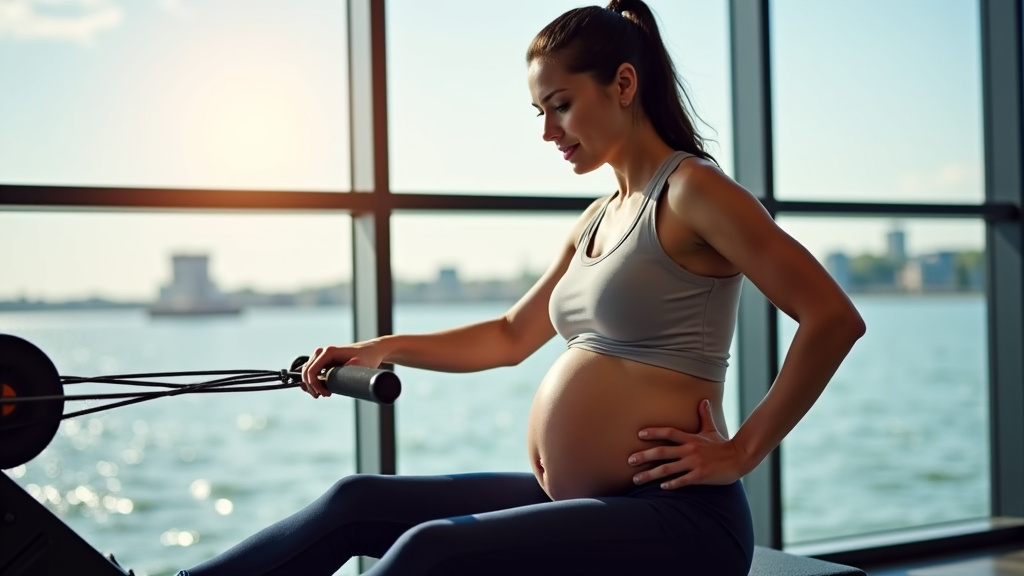
Staying Hydrated and Fueled
Hydration is incredibly important during pregnancy. It helps regulate body temperature. It also supports your growing baby. Drink water before, during, and after your rowing session. Don’t wait until you feel thirsty. Thirst is often a sign you’re already a bit dehydrated.
Ensure you have enough energy. Eat a balanced diet. Have a light snack before your workout. This could be a piece of fruit or some crackers. This will give you the fuel you need. Avoid exercising on an empty stomach.
Rethinking Resistance and Intensity
When rowing pregnant, think “moderate.” You should be able to hold a conversation. If you’re gasping for air, you’re pushing too hard. Many rowing machines allow you to adjust the resistance. You may need to lower it as your pregnancy progresses.
The goal is to maintain fitness, not peak performance. Don’t compare your current workouts to your pre-pregnancy levels. Your body is working hard to grow a baby. That’s a workout in itself! Focus on consistency and how you feel.
| Trimester | Key Modifications | Focus |
|---|---|---|
| First | Start slowly, moderate intensity. | Learning form, building consistency. |
| Second | Widen stance, shorten range of motion, limit lean. | Accommodating belly, maintaining posture. |
| Third | Lower resistance, slower pace, minimal lean. | Comfort, safety, avoiding strain. |
Making Rowing Work for You: A Quick Checklist
Here’s a quick rundown to keep you on track:
- Doctor’s Approval: Always get the go-ahead from your healthcare provider.
- Listen to Your Body: Never push through pain or discomfort.
- Adjust Form: Tweak your catch, drive, and finish as needed.
- Stay Hydrated: Drink water consistently throughout the day.
- Moderate Intensity: You should be able to talk comfortably.
- Stop if Unsure: When in doubt, stop and rest.
Conclusion
Rowing can be a fantastic exercise throughout your pregnancy. You’ve learned how to safely modify your technique. You understand the importance of listening to your body. Remember that your pregnancy journey is unique. Always prioritize comfort and safety. If you get your doctor’s okay, moderate rowing can support your strength and stamina. It’s all about making smart adjustments. Take the next step by discussing your rowing plans with your healthcare provider before your next workout.
Frequently Asked Questions
How long can I row on a rowing machine while pregnant?
You can often row throughout your entire pregnancy. As your belly grows, you’ll need to make adjustments to your form and range of motion. Always listen to your body and stop if you experience any pain or discomfort. Your doctor can provide personalized guidance on exercise duration.
Is it safe to increase resistance on the rowing machine while pregnant?
Generally, it’s recommended to maintain moderate intensity. You should be able to hold a conversation while rowing. As your pregnancy progresses, you may need to lower the resistance to maintain comfort and safety. Avoid pushing yourself too hard, especially in later trimesters.
What if I feel dizzy or nauseous while rowing pregnant?
Dizziness and nausea are signs to stop immediately. These symptoms could indicate you’re overexerting yourself or experiencing changes in blood pressure. Rest, rehydrate, and consult your doctor. It’s important not to push through these warning signs.
Can rowing help with pregnancy back pain?
Yes, rowing can help strengthen your back muscles, which can be beneficial for alleviating pregnancy-related back pain. Maintaining good posture and a strong core helps support your changing body. Focus on controlled movements and proper form to get the most benefit.
Do I need to wear a special type of clothing for rowing while pregnant?
No special clothing is required beyond comfortable workout attire. Ensure your clothing allows for freedom of movement and doesn’t constrict your belly. Staying hydrated is key, so have a water bottle easily accessible. Breathable fabrics are always a good choice for exercise.
