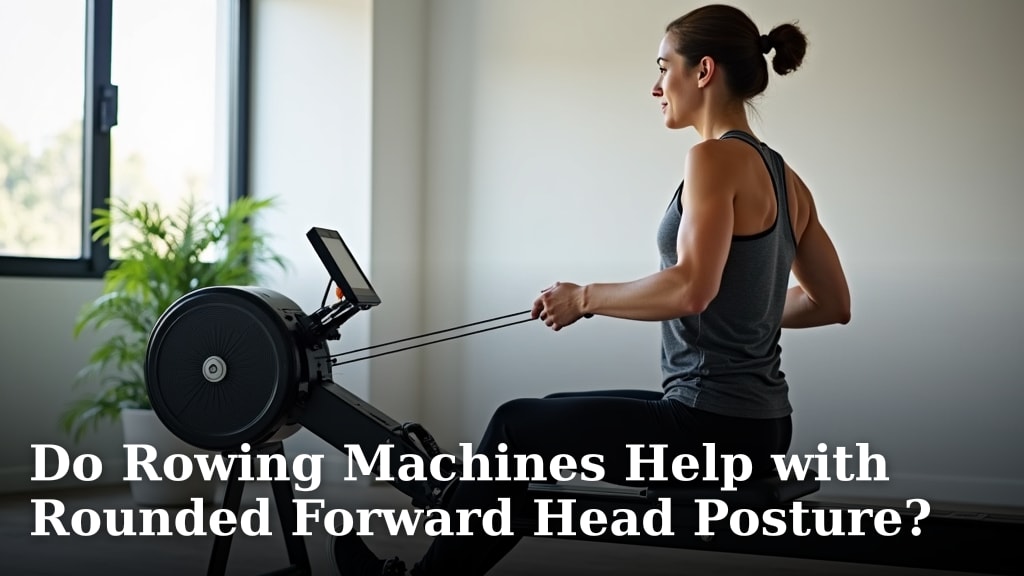
Is Rowing Machine Safe During Pregnancy?
Yes, a rowing machine can be a safe and effective exercise during pregnancy for most women. Always talk to your doctor first.
It offers a fantastic full-body, low-impact workout that supports your fitness goals, provided you make appropriate adjustments and listen to your body.
- Rowing machines can be a great prenatal workout option.
- Always seek medical clearance from your doctor before starting any new exercise.
- You will need to modify your technique and intensity as your pregnancy progresses.
- Listening to your body and recognizing warning signs are absolutely vital.
- Staying hydrated and maintaining good posture are key for comfort and safety.
Is Rowing Machine Safe During Pregnancy?
Yes, for many expectant mothers, rowing can be a fantastic way to stay active. It provides a low-impact, full-body workout that supports your health during this special time.
Before you even think about grabbing those handles, a conversation with your healthcare provider is crucial. Every pregnancy is unique, and what’s safe for one person might not be for another. Think of your doctor as your personal coach for pregnancy fitness.
Understanding Exercise During Pregnancy
Staying active throughout your pregnancy comes with many benefits. It can help manage weight, improve mood, and even prepare your body for childbirth. Many experts suggest aiming for at least 150 minutes of moderate exercise each week (American College of Obstetricians and Gynecologists).
Why Exercise Matters for Moms-to-Be
Regular movement can genuinely help you feel better, both physically and mentally. It often reduces back pain, eases constipation, and boosts your energy levels. Plus, active moms sometimes experience shorter labor times, which is a nice bonus.
Rowing: A Low-Impact Choice?
Rowing is inherently a low-impact activity. Your feet stay connected to the machine, minimizing stress on your joints. This makes it a great alternative to high-impact exercises like running, especially as your body changes. We found that the continuous, fluid motion is gentle on your knees and ankles.
Benefits of Rowing While Expecting
Rowing works major muscle groups without harsh impacts. You engage your legs, core, back, and arms all at once. This full-body engagement can help maintain muscle strength and cardiovascular health, which is important for carrying your growing baby and for recovery.
When to Pause and Consult Your Doctor
Your doctor’s advice is your most important tool. They know your health history and any potential complications. Always get their OK before starting or continuing a rowing routine. We found that most medical organizations prioritize individualized medical guidance.
Listening to Your Body: The Golden Rule
Pregnancy is a time of immense physical change. What felt easy yesterday might feel tough today. Pay close attention to how you feel during and after your rowing sessions. Your body gives subtle signals; learn to understand them.
Adjusting Your Rowing Form as You Grow
As your belly expands, your traditional rowing form will need modifications. The most important adjustment is often creating space for your bump. You might need to widen your leg stance or sit up taller to avoid compression. Keep your back straight and avoid deep forward leans.
The Trimester-by-Trimester Approach
Your rowing routine will likely evolve with each trimester. In the first trimester, you might feel quite normal, though fatigue can be a factor. By the second, your belly will start to show, requiring form changes. The third trimester often means slower, shorter, and gentler sessions.
What to Watch Out For: Red Flags
Certain symptoms mean you need to stop exercising immediately and contact your doctor. These include vaginal bleeding, dizziness, headache, chest pain, calf pain or swelling, and contractions. Many experts agree that these are serious warning signs (Mayo Clinic).
Hydration and Fuel: Your Rowing Companions
Staying well-hydrated is always vital, but especially during pregnancy and exercise. Keep a water bottle handy and sip throughout your workout. Also, make sure you’re eating enough to fuel both you and your baby. You need to support your energy levels adequately.
Selecting the Right Rowing Machine
Most rowing machines are suitable, but comfort is key. Air, magnetic, water, and hydraulic rowers all offer unique feels. Choose one that feels good to you and allows for easy adjustments. A comfortable seat and adjustable footrests are important features to consider.
Essential Rowing Machine Safety Checklist
- Get medical clearance from your doctor.
- Always warm up gently and cool down properly.
- Maintain an upright posture; avoid slouching.
- Adjust your foot stretchers to a comfortable width.
- Keep your strokes smooth and controlled, not jerky.
- Stay well-hydrated before, during, and after your session.
- Stop immediately if you feel pain, dizziness, or any discomfort.
Here’s a quick look at how your rowing experience might shift:
| Trimester | Common Feelings | Rowing Adjustments |
|---|---|---|
| First (Weeks 1-13) | Fatigue, nausea, normal body shape | Maintain usual routine if comfortable; listen to energy levels. |
| Second (Weeks 14-27) | Energy surge, belly growing, round ligament pain possible | Widen leg stance, focus on upright posture, lower intensity. |
| Third (Weeks 28-40) | Significant belly, balance shifts, increased fatigue | Shorten stroke length, reduce intensity, use props for support if needed. |
Conclusion
Rowing can truly be a wonderful part of your pregnancy fitness journey, offering a safe and effective way to stay strong. It’s a fantastic full-body workout that supports your changing body. Remember to prioritize open communication with your doctor, always listen carefully to your body’s signals, and make those necessary modifications as your pregnancy progresses. Your well-being and your baby’s health are the most important priorities.
Can I start rowing if I haven’t before pregnancy?
It’s usually advised to avoid starting brand-new, strenuous exercises during pregnancy. If you’re new to rowing, begin very slowly with short, light sessions after getting your doctor’s approval. Focus on learning proper form first before increasing any duration or intensity.
What modifications should I make in my third trimester?
In your third trimester, you’ll want to focus on comfort and reduced intensity. This means a wider foot position, possibly using a wedge pillow for your lower back, and shortening your stroke to avoid compressing your belly. Keep your movements gentle and much slower.
Are there any specific types of rowing machines that are better?
No particular type of rowing machine is inherently better for pregnancy. The most important factor is choosing a machine that feels comfortable and allows you to maintain good, modified posture. A machine with an easily adjustable seat and footrests can be very helpful.
How long can I row for during a session?
The duration of your rowing session should be guided by how you feel and your doctor’s recommendations. Aim for moderate intensity, where you can still hold a conversation. Many pregnant women find shorter sessions, perhaps 15-30 minutes, to be ideal, especially in later trimesters.
When should I stop rowing and consider other activities?
You should stop rowing if you experience any pain, dizziness, bleeding, contractions, or fluid leakage. If rowing becomes uncomfortable despite modifications, or if your doctor advises against it, consider lower-impact activities like walking, swimming, or prenatal yoga.