Is The Rowing Machine Safe When Pregnant?
Yes, using a rowing machine can be safe during pregnancy for many, but always consult your doctor first to ensure it aligns with your specific health needs.
Modified rowing is often a low-impact and effective prenatal exercise, offering cardiovascular benefits and strength training without undue strain when performed correctly.
Here’s a quick overview of what you need to know:
- Always consult your doctor before starting or continuing rowing during pregnancy.
- Listen to your body and modify intensity as your pregnancy progresses.
- Focus on proper form to protect your core and back, avoiding excessive rotation.
- Stay well-hydrated and avoid overheating during all your workouts.
- Consider simple adjustments like seat height and resistance for comfort and safety.
Is The Rowing Machine Safe When Pregnant?
For many expectant mothers, a rowing machine can indeed be a safe and beneficial exercise choice when approached with caution and proper medical guidance.
You’re thinking about staying active, which is fantastic! Exercise during pregnancy can offer incredible benefits for both you and your baby, and rowing might just be a great fit.
The Green Light from Your Doctor
First things first: before you even think about hopping on a rower, have a chat with your healthcare provider. Your doctor knows your personal health history and can offer tailored advice. This step is non-negotiable for your safety (American College of Obstetricians and Gynecologists).
Think of them as your primary coach. They’ll tell you if rowing, or any exercise, is a good idea for you at this stage of your pregnancy.
Why Rowing Can Be Your Pregnancy Pal
When done right, rowing is a full-body workout that brings many advantages. It’s not just about burning calories; it’s about feeling good and staying strong.
Gentle on Your Joints
Unlike high-impact activities, rowing keeps your feet firmly planted or strapped in, which means less stress on your joints. As your body changes, your joints become more lax due to hormones, so a low-impact option is ideal.
Many experts agree that minimizing joint strain is a smart move during pregnancy (Mayo Clinic).
Building Core Strength (Carefully!)
You might wonder about core work, but rowing engages your core muscles in a supportive way. It helps maintain posture and back strength, which is super helpful as your belly grows. Remember, it’s about support, not strain.
We found that gentle core engagement can aid in managing common pregnancy backaches.
Boosting Your Mood and Energy
Exercise is a known mood booster, and rowing is no different. It helps reduce stress and can even improve your sleep quality. Plus, that feeling of accomplishment after a workout? Priceless for your mental well-being.
Regular physical activity has been shown to reduce symptoms of depression and anxiety in pregnant individuals (NIH).
Making Smart Adjustments as You Grow
As your pregnancy progresses, your body will change, and so should your rowing routine. It’s all about adapting to what feels comfortable and safe.
Finding Your Perfect Seat Position
You might find that adjusting the seat height or even placing a cushion behind you helps. The goal is to avoid any compression or discomfort for your growing belly. Comfort is key.
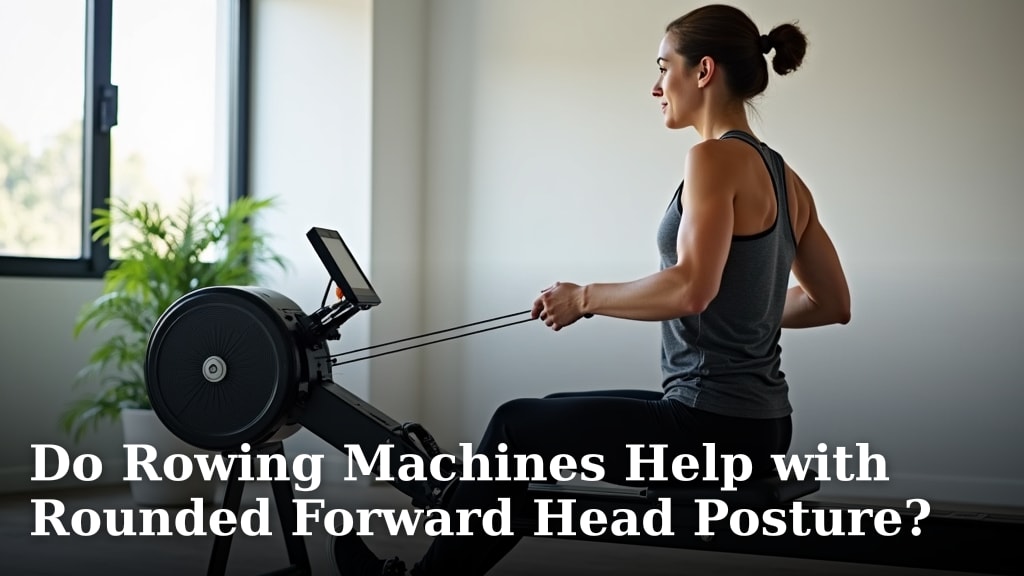
Consider a more upright posture and less forward lean at the catch. This helps avoid putting pressure on your abdomen.
Adjusting Your Resistance Level
Gone are the days of trying to beat your personal best. During pregnancy, focus on steady, moderate effort. You should be able to hold a conversation easily while rowing. This is called the “talk test” (CDC).
Lower the resistance if you need to, prioritizing endurance and consistent movement over intense bursts of power.
Crucial Form Tips for Expecting Moms
Form is always important, but even more so when you’re pregnant. Let’s make sure you’re moving efficiently and safely.
- Maintain an upright posture: Avoid excessive rounding of your back. Think tall, strong spine.
- Widen your stance: If needed, adjust your foot straps slightly wider to accommodate your hips and belly.
- Gentle layback: Reduce the amount you lean back at the finish of the stroke. Keep it minimal and controlled.
- Breathe deeply: Focus on consistent, deep breathing throughout your workout. Don’t hold your breath.
- Smooth, controlled strokes: Avoid jerky movements. Aim for a flowing, rhythmic pace.
Listen to Your Body: The Golden Rule
Your body is doing incredible work, so pay close attention to its signals. If something feels off, unusual, or painful, stop immediately. Your intuition is your best guide right now.
Many experts recommend listening to your body above all else when exercising during pregnancy (Cleveland Clinic).
When to Pull the Plug (or Slow Down)
While rowing can be great, there are times when you should definitely stop or at least dial it way back. Know these signs.
Watch for Warning Signs
If you experience dizziness, shortness of breath before exertion, chest pain, headache, muscle weakness, calf pain or swelling, vaginal bleeding, or fluid leakage, stop and call your doctor. These are signals to pay attention to.
We found that early detection of these signs is vital for both maternal and fetal health.
Staying Hydrated and Cool
Overheating can be a concern during pregnancy, so it’s extra important to stay cool and hydrated. Keep a water bottle handy and sip frequently throughout your workout.
Wear loose, breathable clothing, and if your gym is too warm, consider working out at home or choosing another activity. A good rule of thumb: if you’re sweating excessively, you might be getting too warm.
Rowing Post-Baby: A Gentle Return
Once your baby arrives, you might be eager to get back on the rower. Remember to ease back in, just as you eased into prenatal exercise. Your body needs time to heal. Most doctors recommend waiting until your six-week postpartum check-up before returning to exercise.
Start with short, low-intensity sessions and gradually increase duration and resistance as your body allows. Patience is your ally here.
Here’s a quick look at common adjustments for pregnant rowers:
| Aspect | Standard Approach | Pregnancy Modification |
|---|---|---|
| Intensity | High, challenging | Moderate, talk test |
| Layback | Significant lean | Minimal, upright |
| Core Focus | Powerful engagement | Supportive, gentle |
| Hydration | As needed | Frequent, proactive |
Conclusion
Staying active during pregnancy is wonderful, and a rowing machine can be a fantastic tool to help you do just that. Remember, the key is always to prioritize safety and listen to your body, with a green light from your healthcare provider.
Make those smart modifications, focus on good form, and enjoy the benefits of a strong, healthy pregnancy. You’ve got this!
What are the general guidelines for exercise intensity during pregnancy?
Generally, aim for moderate intensity. You should be able to carry on a conversation while exercising, known as the “talk test.” Avoid pushing yourself to exhaustion, especially if you were not very active before pregnancy.
Can I continue rowing if I experience morning sickness?
Morning sickness can make any exercise feel challenging. If you feel up to it, try a very light, short session, perhaps at a different time of day when nausea is less severe. If exercise worsens your nausea, it’s best to rest and try again another day.
How does pregnancy affect my balance on a rowing machine?
As your belly grows, your center of gravity shifts, which can affect your balance. While rowing machines are stable, be mindful during entry and exit. You might naturally adjust your form to feel more grounded, and that’s perfectly fine.
Should I adjust my rowing technique as my pregnancy progresses into the third trimester?
Yes, significant adjustments are often needed. In your third trimester, you will likely need to significantly reduce the layback at the finish and limit the forward reach at the catch to accommodate your belly. Focus on maintaining an upright posture and gentle, controlled movements.
Are there any specific types of rowing machines that are better for pregnant women?
No specific type is universally “better,” as long as it’s comfortable for you. Air, water, magnetic, or hydraulic rowers all offer different feels. Choose one that allows for smooth, controlled movements and easy adjustments to resistance and foot straps. The most important factor is your comfort and ability to maintain good form.