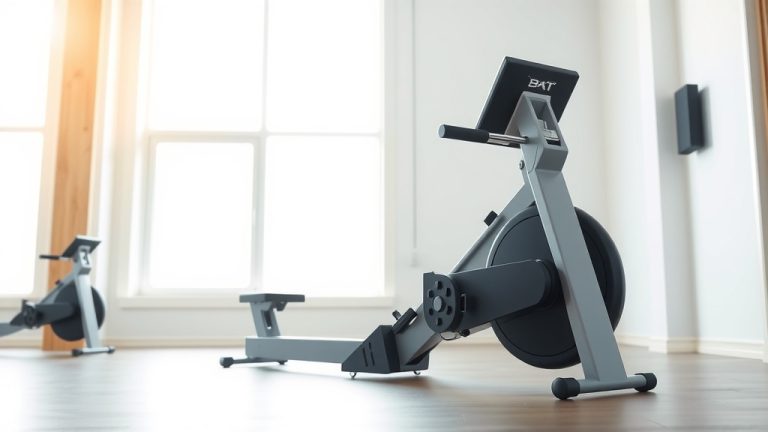
Can You Use A Rowing Machine With Bad Knees?
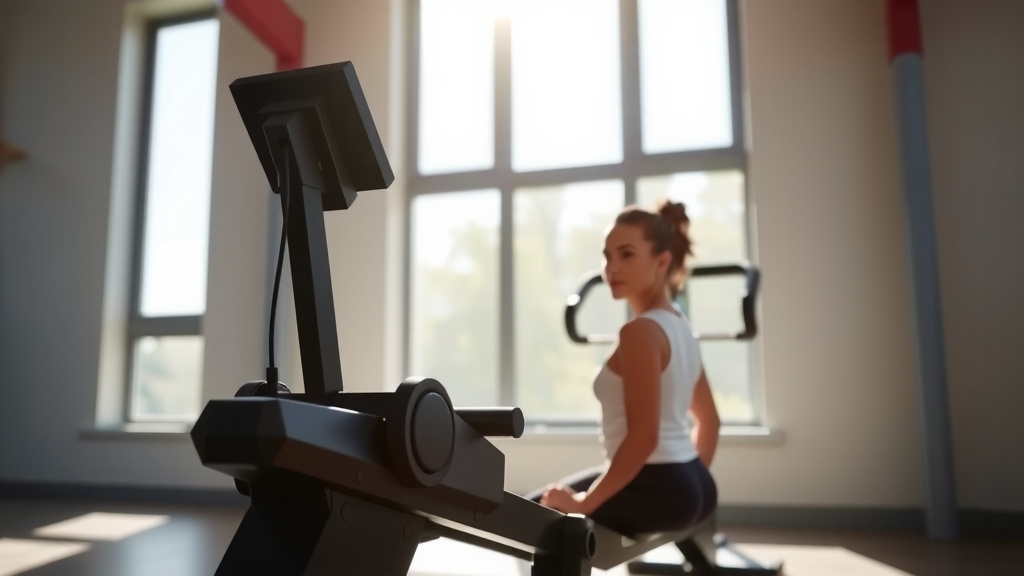
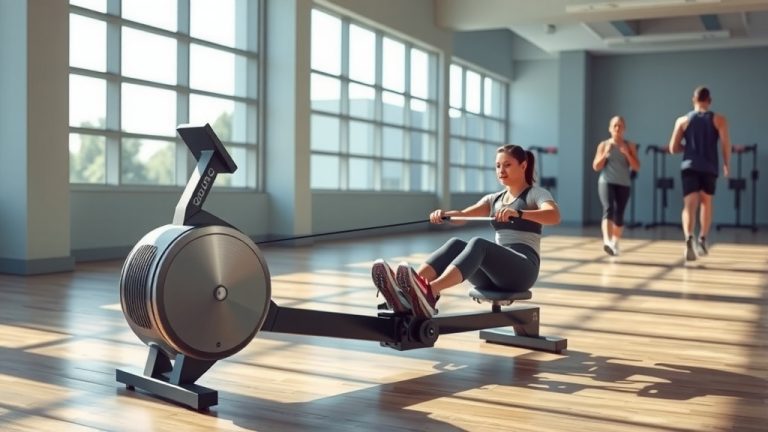
Yes, you can often use a rowing machine with bad knees, but it requires careful attention to your technique, machine adjustments, and listening closely to your body. Rowing is a low-impact exercise that can be surprisingly knee-friendly when done correctly, making it a viable option for many individuals facing knee challenges.
TL;DR: Rowing with bad knees is possible and can be beneficial if you:
- Prioritize perfect form to protect your joints.
- Make small adjustments to the machine, like the drag setting.
- Always warm up and cool down properly.
- Consult a doctor or physical therapist if you have persistent pain.
- Stop immediately if you feel any sharp discomfort.
Can You Use A Rowing Machine With Bad Knees?
Absolutely, many people with knee issues find rowing a good fitness option. It offers a great workout without the harsh impact of running or jumping.
Understanding Knee Pain and Rowing
Knee pain can stem from many sources, like arthritis, old injuries, or muscle imbalances. When you row, your knees go through a bending and straightening motion. This movement, when performed correctly, is actually quite natural. It can even help improve knee joint mobility and strengthen supporting muscles around the knee (Mayo Clinic).
The Low-Impact Advantage of Rowing
Unlike high-impact activities, rowing keeps your feet connected to the machine. There’s no pounding or jarring. This dramatically reduces stress on your knee joints. We found that this fluid, gliding motion is key for those seeking gentler exercise options.
Proper Rowing Form: Your Knee’s Best Friend
Good form isn’t just about efficiency; it’s about protecting your body. Especially with sensitive knees, precise movements are vital. We’ll break down each part of the stroke.
The Catch Phase
At the very start, your knees are bent, and your shins are almost vertical. Your weight should be mostly on your heels, ready to push. Make sure you don’t overcompress your knees here. Avoid **jamming into the front** of the machine.
The Drive Phase
This is where the power comes from your legs. You push back smoothly, like a leg press. Extend your legs without fully locking your knees at the end of the push. Keep a **slight bend** to absorb any shock.
The Finish Phase
Your legs are extended, but not locked. Your core is engaged, and your body leans back slightly. The handles are pulled into your midsection. Focus on keeping the movement controlled and **not jerky** at all.
The Recovery Phase
This is the reverse motion, bringing you back to the catch. First, extend your arms forward. Then, your body follows, tilting forward. Finally, your knees bend to bring the seat back up the rail. This phase should feel **slow and controlled**.
Adjustments for Knee Comfort
Sometimes, a few simple tweaks to your machine or routine can make all the difference. Don’t be afraid to experiment a little. These small changes can significantly **improve your experience**.
- Foot Strap Tightness: Keep your foot straps snug but not overly tight. Too much tightness can restrict ankle movement, which sometimes transfers tension to the knees.
- Seat Height: While most rowers have fixed seat heights, some models allow minor adjustments. A slightly higher seat might feel better for some knee conditions.
- Drag Setting: A lower drag setting often works better for bad knees. It requires less explosive power, leading to a smoother, less strenuous push. Many experts suggest starting with a **lower resistance** for knee protection.
Listen to Your Body: A Golden Rule
Your body is the best feedback system you have. If a movement causes sharp, shooting, or increasing pain, stop immediately. Pushing through pain can **worsen existing conditions**.
Warm-up and Cool-down Stretches
Always start with a 5-10 minute light warm-up. Think dynamic stretches, like leg swings or light cycling. Finish with gentle static stretches. This helps prepare your joints and muscles (NIH).
Consulting a Pro: When to Seek Help
If you have a known knee condition, or if you experience new or worsening pain, talk to a doctor or physical therapist. They can offer **personalized advice** and recommend specific modifications.
When to Avoid Rowing with Bad Knees
Some knee conditions might make rowing unsuitable, at least temporarily. For instance, an acute injury or severe inflammation generally requires rest. Always get **medical clearance** first.
| Knee Condition | Rowing Recommendation |
|---|---|
| Mild Osteoarthritis | Often okay with proper form and low intensity. Focus on smooth, steady strokes. |
| Meniscus Tear (Minor) | Consult a doctor; gentle, controlled movements might be possible if cleared. Avoid twisting. |
| Acute Injury (recent sprain) | Avoid until cleared by a doctor or physical therapist. Prioritize rest and healing. |
| Patellofemoral Pain (runner’s knee) | Focus on perfect form, keep a slightly wider foot stance, and ensure balanced quad/hamstring strength. |
Building Knee Strength Off the Rower
Rowing is good, but supplementing it with targeted strength exercises can offer **even greater knee protection**. Stronger muscles provide better support for your joints.
Recommended Exercises for Knee Support
Consider exercises like wall sits, bodyweight squats (to a comfortable depth), and hamstring curls. Glute bridges are also wonderful for supporting hip and knee stability. We found that **consistency is key** for seeing results.
Your Knee-Friendly Rowing Checklist:
- Start slow and gentle, especially when new to rowing.
- Focus on perfect form throughout every stroke.
- Adjust machine settings (drag) for comfort.
- Warm up properly before starting, cool down afterwards.
- Stop if you feel any sharp or increasing pain.
- Consult a healthcare professional for specific guidance.
Conclusion
Using a rowing machine with bad knees is not only possible but can be a **highly effective form of exercise** for many. The key lies in understanding your body, practicing impeccable form, making necessary adjustments, and never ignoring pain signals. Embrace rowing as a powerful tool to stay active and strengthen your body, even with knee sensitivities. Always remember to seek professional guidance when in doubt; your knees will thank you for it.
What kind of rowing machine is best for bad knees?
Magnetic and air rowers are generally good choices. Magnetic rowers offer a very smooth, consistent resistance that can be gentle on joints. Air rowers also provide a smooth, low-impact stroke, though the resistance increases with your effort, which you can control. Hydraulic piston rowers are usually not recommended due to their less natural movement pattern.
Should I use a higher or lower drag setting with knee pain?
For individuals with knee pain, a lower drag setting is often recommended. This reduces the amount of force you need to generate with each stroke, making the movement smoother and less taxing on your knee joints. A higher drag setting requires more explosive power, which can put extra strain on sensitive knees.
Can rowing help strengthen weak knees?
Yes, rowing can absolutely help strengthen the muscles that support your knees, like your quadriceps, hamstrings, and glutes. This muscle development can lead to improved stability and reduced pain over time. However, it’s essential to start gently and focus on correct form to build strength safely without exacerbating existing issues.
What are the signs I should stop rowing due to knee pain?
You should stop rowing if you experience sharp, shooting, or sudden pain in your knees. Persistent dull aches that worsen during or after your workout are also a strong sign to pause. Listen to your body; if the pain feels “wrong” or different from typical muscle fatigue, it’s best to rest and consult a professional.
How often can I row with sensitive knees?
Start with 2-3 sessions per week, keeping them short (15-20 minutes) and at a low intensity. This allows your knees and muscles to adapt. Gradually increase the duration and frequency as your knees feel comfortable and stronger. Always allow for rest days between sessions to aid in recovery and prevent overuse injuries.