Does Rowing Machine Hurt Knees?
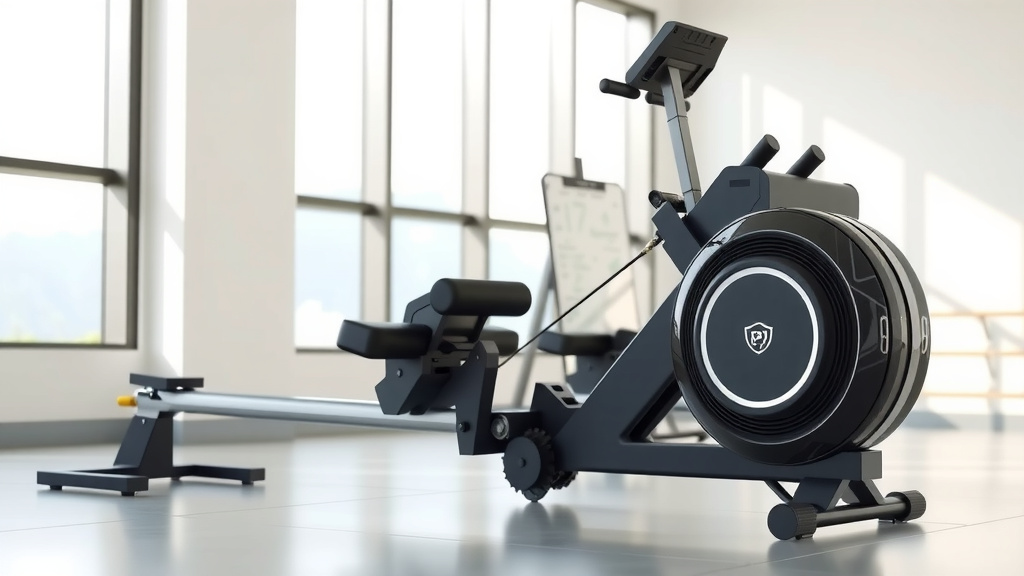
No, a rowing machine typically does not hurt your knees when used with proper technique and body awareness.
In fact, rowing can be a low-impact, full-body workout that actually strengthens the muscles supporting your knees, making it a beneficial exercise.
- Rowing machines are generally knee-friendly when you use correct form.
- Most knee discomfort comes from poor technique or overdoing it, not the machine itself.
- Regular rowing can help strengthen the muscles around your knees, improving joint stability.
- Always warm up, cool down, and listen to your body to prevent strain.
- If you have existing knee issues, adjust your technique or talk to a professional.
Does Rowing Machine Hurt Knees?
You might worry about knee pain when starting a new workout, and rowing machines are no exception. The good news is, a rowing machine done correctly is quite gentle on your knee joints.
Understanding Rowing Mechanics and Your Knees
Rowing is a dynamic movement involving your entire body. Your knees bend and straighten, but the key is how you generate power.
The Catch Phase: Ready to Push
At the “catch,” your knees are bent, and you’re close to the front of the machine. Your shins should be vertical, or close to it. This position loads the muscles properly.
The Drive Phase: Power Through Your Legs
This is where the magic happens. You push through your heels and mid-foot, extending your legs. Your legs, hips, and core do the primary work, not just your knees.
Many experts say to think of it like a leg press (American Council on Exercise). Your legs straighten, driving the power before your back swings or arms pull.
The Finish Phase: Controlled Extension
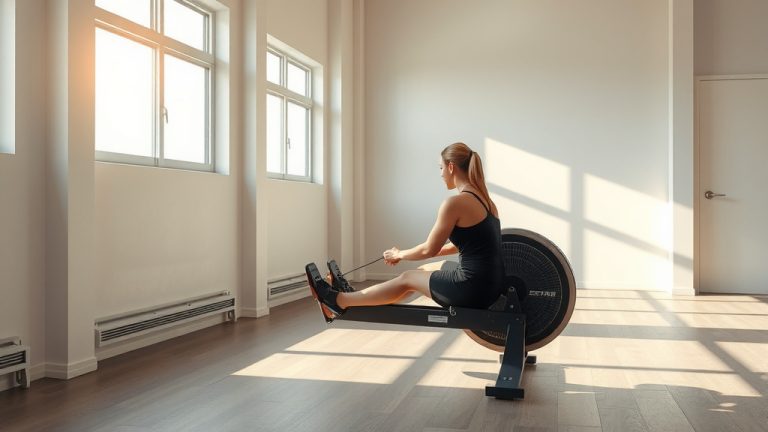
At the “finish,” your legs are extended, and your body is leaning back slightly. Your knees should be almost straight, but never fully locked out. A slight bend protects the joint.
Why Your Knees Might Feel Unhappy
If you experience knee discomfort during or after rowing, it’s often linked to common mistakes in technique. It’s rarely the machine itself causing the problem.
Improper Foot Placement
Having your feet too high or too low on the foot stretchers can alter your mechanics. This can put unnecessary stress on your knee joints.
Over-Compressing at the Catch
Pushing too far forward at the catch, where your butt lifts off the seat, can cause your knees to come up too high. This creates a deep bend that might strain the joint.
Lack of Core Engagement
Your core muscles play a significant role in stabilizing your body. Without a strong core, your lower back or knees might compensate, leading to strain.
Pre-existing Knee Conditions
If you have a history of knee injury or conditions like osteoarthritis, rowing might feel different. Always check with your doctor before starting any new exercise (Mayo Clinic).
The Benefits of Rowing for Knee Health
When done correctly, rowing offers several advantages for your knees. It’s not just about avoiding pain; it’s about improving knee resilience.
Strengthening Supporting Muscles
Rowing works your quads, hamstrings, and glutes. These muscles directly support and stabilize your knee joint, helping to prevent injuries.
A Low-Impact Exercise Option
Unlike running or jumping, rowing keeps your feet connected to the machine. This eliminates jarring impacts, making it a great choice for joint health (NIH).
We found that many physical therapists recommend rowing for those needing a lower impact way to stay active and build strength.
Tips for Knee-Friendly Rowing
Ready to row without worrying about your knees? Here are some practical steps you can take today to ensure a comfortable and effective workout.
Mastering Your Form: A Quick Guide
Focus on a controlled movement. Push with your legs first, then swing your back, then pull with your arms. Reverse this sequence for the recovery.
- Foot Straps: Tighten them over the widest part of your foot.
- Leg Drive: Push powerfully from your heels and mid-foot.
- Knee Angle: Avoid over-compression at the catch; keep your shins mostly vertical.
- Finish: Keep a slight bend in your knees, never lock them out.
- Smooth Flow: Maintain a steady rhythm, avoiding jerky movements.
Warm-up and Cool-down Rituals
Always start with a light warm-up, perhaps a few minutes of easy rowing. Finish with some gentle stretches for your hamstrings, quads, and calves. This helps prepare and recover your joints.
Listen to Your Body’s Signals
Your body sends important messages. If you feel a sharp pain, stop immediately. A dull ache might mean you need to adjust your form or reduce intensity.
Choosing the Right Rowing Machine
Different machines offer different feels. Air, water, magnetic, and hydraulic rowers all have their pros and cons. Some users find water rowers provide a smoother, more fluid stroke, which can feel gentler on joints.
| Knee Pain Cause | Solution for Knee-Friendly Rowing |
|---|---|
| Over-compression at Catch | Stop short of full compression; shins vertical. |
| Locking Knees at Finish | Keep a slight bend; never fully extend. |
| Pushing Too Hard, Too Fast | Focus on controlled power, not just speed. |
| Incorrect Foot Placement | Adjust foot straps to center of foot for comfort. |
| Skipping Warm-up/Cool-down | Essential for joint preparation and recovery. |
When to Talk to a Doctor
While rowing is generally safe, persistent knee pain is a sign to seek medical advice. Don’t try to push through significant discomfort.
A healthcare professional can diagnose the issue and guide you on whether rowing is suitable for you (Cleveland Clinic). They might suggest modifications or alternative exercises.
Conclusion
Rowing machines are an excellent way to get fit, build strength, and boost cardiovascular health. The idea that they inherently hurt your knees is a myth. By focusing on proper form, warming up, cooling down, and listening to your body, you can enjoy a pain-free and highly effective workout. Give it a try, paying attention to your technique, and you might find it becomes your new favorite low-impact exercise.
What is the ideal foot placement on a rowing machine to protect knees?
Place your feet so the strap goes over the widest part of your foot, allowing your heels to lift naturally at the catch if needed, but primarily pushing through your mid-foot and heel during the drive.
Can rowing strengthen the muscles around my knees?
Absolutely! Rowing effectively strengthens your quadriceps, hamstrings, and glutes, which are all crucial muscles for supporting and stabilizing your knee joints. This can improve overall knee health.
How can I prevent my knees from going too far forward at the catch?
Focus on reaching forward with your arms and body lean before bending your knees fully. Aim to keep your shins vertical at the catch, avoiding excessive compression that brings your heels too close to your glutes.
Is rowing a good exercise for someone with existing knee arthritis?
Rowing can be a good option for people with knee arthritis due to its low-impact nature, but it’s essential to consult with your doctor or a physical therapist first. They can help you determine the right intensity and form modifications.
What should I do if I feel a sharp pain in my knee while rowing?
If you experience any sharp or sudden knee pain, stop rowing immediately. Do not try to push through the pain. Rest and if the pain persists, seek advice from a medical professional to get a proper diagnosis.