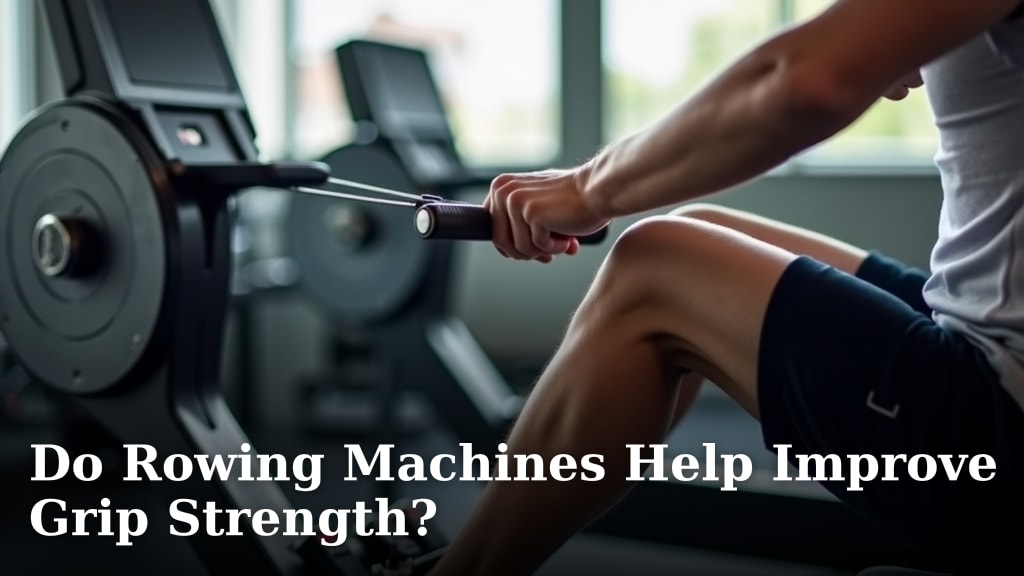
Does Rowing Machine Work Core?
Yes, a rowing machine absolutely works your core muscles extensively.
The dynamic nature of rowing engages your abdominals, obliques, and lower back throughout each stroke, making it a robust core workout.
- A rowing machine is a full-body workout that strongly engages your core muscles.
- Every phase of the rowing stroke actively recruits your abs, obliques, and lower back.
- Proper rowing form is essential to maximize core benefits and prevent injury.
- Beyond just strength, rowing also builds core endurance and stability.
- It’s a highly effective way to strengthen your entire midsection for better overall fitness.
Does Rowing Machine Work Core?
The short answer is a resounding yes; your rowing machine is a fantastic tool for core development.
It challenges your entire midsection through every phase of the rowing stroke.
Understanding Your Core During Rowing
Many people think of abs when they hear “core,” but it’s much more than that.
Your core includes your abdominal muscles, obliques, lower back, and even your glutes (Mayo Clinic).
These muscles work together to stabilize your spine and transfer power.
The Rowing Stroke: A Core Masterclass
Think of rowing as a series of coordinated movements that constantly challenge your core.
It’s not just about pushing with your legs or pulling with your arms.
Your midsection is always active, connecting the upper and lower body.
The Catch Phase: Setting Up Your Core
At the front of the machine, your body is compressed, ready to explode back.
Your core muscles stabilize your torso, preparing for the powerful leg drive.
This phase builds your core’s isometric strength and control.
The Drive Phase: Powering Through Your Core
This is where your legs push off, creating tremendous force.
Your core acts as a rigid conduit, transferring this leg power to the handle.
Weak core muscles here mean less power and a higher risk of back strain.
The Finish Phase: Holding It All Together
At the back of the stroke, you lean back slightly, engaging your upper body.
Your abdominal muscles work to maintain this lean, protecting your lower back.
The finish phase truly emphasizes abdominal strength and posture.
The Recovery Phase: Controlled Core Movement
As you return to the catch, your core controls the forward movement of your body.
It helps you move smoothly and prevent slumping or excessive arching.
This phase trains your core’s endurance and flexibility.
Why Core Engagement Matters in Rowing
A strong core is like the foundation of a sturdy house.
It supports your spine, improves your posture, and makes every movement more efficient.
For rowing, a strong core helps you generate more power and row longer.
- Boosts Power Output: A stable core means more effective leg drive and arm pull.
- Prevents Injury: Protects your lower back from strain, especially during long sessions.
- Improves Posture: Develops the muscles that help you stand taller and sit straighter.
- Enhances Balance: Strong core muscles are vital for everyday stability.
- Increases Endurance: Your core works constantly, building its stamina over time.
Checking Your Rowing Form for Core Work
Great form is key to getting the most core benefits from your rower.
Many experts say to think of your core as a strong box throughout the stroke.
Avoid slumping or excessive arching in your lower back.
Here’s a quick checklist to help you maintain optimal core engagement:
- Sitting Tall: Keep your chest lifted and shoulders relaxed.
- Engage Your Abs: Gently pull your belly button towards your spine throughout.
- Neutral Spine: Avoid rounding or arching your back too much.
- Controlled Lean: Maintain a slight, consistent lean from the hips at the finish.
- Fluid Transitions: Move smoothly between phases, letting your core guide you.
Common Core Mistakes to Avoid
It’s easy to fall into habits that reduce core activation on the rower.
One common issue is letting your back do all the work instead of your abs.
Another is rushing the recovery, which can lead to a rounded back (NIH).
Many people also forget to engage their core during the powerful drive phase.
This puts unnecessary stress on your lower back and limits your overall power.
Focus on a strong connection between your hips and shoulders.
Comparing Rowing to Other Core Workouts
While rowing is a full-body workout, how does its core activation compare?
It differs from isolated exercises like crunches or planks.
Rowing works your core in a dynamic, functional way, integrating it with other muscle groups.
| Workout Type | Core Engagement Style | Primary Core Benefit |
|---|---|---|
| Rowing Machine | Dynamic, full-range movement | Strength, Endurance, Stability |
| Plank | Static hold, isometric | Endurance, Stability |
| Crunches | Isolated flexion | Abdominal Strength |
| Squats | Stabilizing trunk | Stability, Lower Back Strength |
Building Core Strength with Consistent Rowing
Like any muscle, your core needs consistent training to get stronger.
Regular rowing sessions will build both the strength and endurance of your midsection.
We found that even short, consistent sessions can make a big difference (Cleveland Clinic).
You might start noticing better posture and less back stiffness.
This is your core getting stronger and supporting your body more effectively.
It’s a rewarding journey that pays off in many areas of your life.
Conclusion
So, does a rowing machine work your core? Absolutely!
It’s a comprehensive, dynamic core workout that engages your entire midsection through every stroke.
By focusing on proper form, you can maximize these benefits, building strength, stability, and endurance.
Embrace the rower not just for cardio or leg strength, but as a powerful tool for a rock-solid core.
Your body will thank you for it, feeling stronger and more supported in daily activities.
What specific core muscles does rowing target?
Rowing targets your rectus abdominis (the “six-pack” muscles), obliques (side abs), transverse abdominis (deep core muscle), and erector spinae (lower back muscles).
Can rowing alone give me strong abs?
Rowing is excellent for functional core strength and endurance, contributing to strong abs. While it won’t give you a “six-pack” without a balanced diet and overall fitness, it will build a powerful, stable core.
How does improper rowing form affect my core?
Improper form, such as rounding your back or relying too much on arm strength, significantly reduces core engagement and can lead to lower back pain or injury. Always prioritize good technique.
Is rowing better for core than planks?
Rowing offers dynamic core engagement, integrating your core with a full-body movement, while planks focus on static, isometric core endurance. Both are beneficial; rowing builds functional strength, while planks are great for sustained stability.
How can I feel my core more when rowing?
To feel your core more, consciously brace your abdominal muscles as if preparing for a punch throughout the entire stroke. Focus on maintaining a neutral spine and initiating the recovery phase by pivoting from your hips, not by rounding your back.