How Long Should You Work Out On A Rowing Machine?
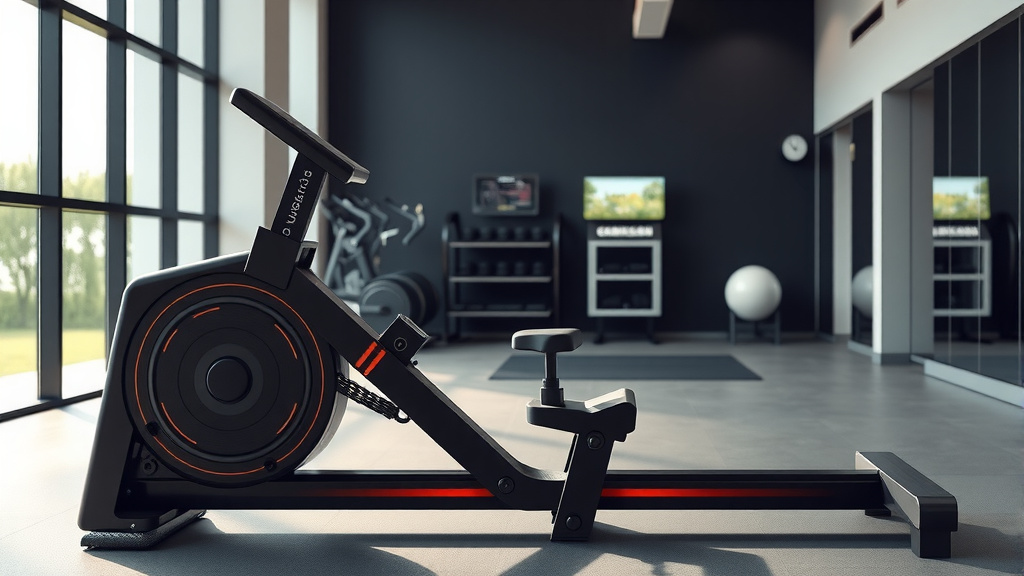
For general fitness, aim for 20-30 minutes on a rowing machine most days of the week, including warm-up and cool-down. If you’re building endurance, you might extend your rowing machine workout to 45-60 minutes, while high-intensity interval training (HIIT) sessions could be as short as 10-20 minutes.
The ideal workout length on a rowing machine really depends on your fitness level, goals, and how your body feels that day. Consistency often matters more than one long session.
Here’s a quick overview of what you’ll learn about rowing machine workouts:
- Discover the ideal workout duration for various fitness goals, like weight loss or endurance.
- Understand how to adjust your rowing time based on your current fitness level.
- Learn about the importance of warm-ups and cool-downs for every session.
- Get practical tips for listening to your body and avoiding overtraining.
How Long Should You Work Out On A Rowing Machine?
Aim for 20-30 minutes for general fitness, while longer sessions or HIIT depend on your specific goals.
Always listen to your body and adjust your time as your fitness improves or you face new challenges.
Start Slow: Your First Strokes
Beginning your rowing journey is exciting. You might be tempted to push yourself right away.
However, it’s best to **ease into your routine**. We found that new rowers often benefit from shorter sessions.
Try 10-15 minutes, three times a week. This helps your body adapt to the movement and intensity.
Remember, it’s like learning to ride a bike; you start with short trips before planning a marathon.
The 10-15 Minute Beginner Plan
During these early sessions, focus on your form. This is **more important than speed** or distance.
A good starting point involves 5 minutes of light rowing, followed by 5-10 minutes at a moderate pace.
Finish with a 2-minute cool-down. Consistency here builds a strong foundation (Mayo Clinic).
General Fitness & Health: The Sweet Spot
Once you’re comfortable, you can increase your time. For general fitness, many experts recommend 150 minutes of moderate exercise per week (CDC).
This translates nicely to your rowing machine. How do you hit that mark?
Aiming for 20-30 Minutes, 3-5 Times a Week
A 20-30 minute session, performed 3-5 times weekly, is a great goal. This duration allows for a **proper warm-up and cool-down**.
It also provides enough time for your heart rate to stay elevated. This helps with cardiovascular health and calorie burn.
Think of it as your daily dose of feel-good energy. It keeps your engine running smoothly.
Rowing for Weight Loss Goals
If weight loss is your main aim, you might need to extend your workout a little.
Burning calories is key here. Longer sessions or higher intensity can help you achieve this.
Targeting 30-45 Minutes for Calorie Burn
Many guidelines point to 30-45 minutes of moderate to vigorous rowing as effective for weight management (NIH).
This duration allows your body to tap into fat stores for energy. It’s like gently stoking a fire to keep it burning.
You don’t need to go all-out for the entire time. A steady, consistent effort often works best.
Building Endurance: Going the Distance
Do you dream of rowing for longer periods? Then endurance training is for you.
This involves gradually increasing your workout duration. Your body will adapt over time.
Pushing to 45-60 Minutes or More
For endurance, research often suggests sessions of 45-60 minutes, or even longer for experienced athletes (NCBI).
This helps your heart and lungs become more efficient. You’ll feel less tired during other activities too.
Think of it as building your personal stamina reservoir. The more you row, the more you have.
High-Intensity Interval Training (HIIT) on the Rower
HIIT is popular for a reason: it’s incredibly effective in a short amount of time.
It involves short bursts of intense effort, followed by brief recovery periods.
Short & Sweet: 10-20 Minute HIIT Sessions
A typical HIIT rowing workout might only last 10-20 minutes. But don’t let the short time fool you!
These sessions are very challenging. You might do 1 minute of hard rowing, then 1 minute of rest, repeated several times.
It’s like hitting the gas and then cruising, then hitting the gas again. Very efficient for fitness gains.
The Importance of Warm-Up and Cool-Down
No matter your workout length, never skip these crucial steps.
They are your bookends for a safe and effective session.
Don’t Skip These Minutes
A 5-minute warm-up helps prepare your muscles and heart. It reduces injury risk.
A 5-minute cool-down brings your heart rate down slowly. It aids muscle recovery.
These minutes are not optional. They are **an integral part of your workout** time.
Listening to Your Body: The Ultimate Guide
Your body is smart. It gives you signals. Pay attention to them.
Some days you might feel great, others not so much. Adjust accordingly.
When to Shorten Your Row or Take a Break
If you feel excessive fatigue, sharp pain, or unusual discomfort, it’s okay to cut your workout short.
Pushing through pain can lead to injury. Rest days are just as important as active days.
Imagine your body as a car. Sometimes it needs a pit stop, not just more gas.
Here’s a quick guide to common rowing goals and typical workout durations:
| Fitness Goal | Recommended Duration (Minutes) | Frequency (Per Week) |
|---|---|---|
| Beginner Adaptation | 10-15 | 3 times |
| General Fitness | 20-30 | 3-5 times |
| Weight Loss | 30-45 | 4-5 times |
| Endurance Training | 45-60+ | 3-4 times |
| HIIT (High Intensity) | 10-20 | 2-3 times |
Maximizing Your Rowing Machine Time
It’s not just about how long you row, but how effectively you use that time.
Focus on quality over quantity. Are you getting the most out of each stroke?
Tips for an Effective Workout
- Maintain good form throughout your session.
- Vary your intensity: mix steady-state rows with short bursts.
- Stay hydrated before, during, and after your workout.
- Use a fitness tracker to monitor your heart rate.
- Consider adding strength training to complement your rowing.
Progressive Overload: The Path to Growth
To keep getting stronger and fitter, you need to challenge yourself.
This is called progressive overload. It means gradually increasing your workout demands.
How to Gradually Increase Your Rowing Time
Don’t jump from 20 to 60 minutes overnight. Instead, add 5 minutes to your session each week.
Or, you could increase your stroke rate or resistance. **Small, consistent changes** lead to big results.
It’s like building a sandcastle; you add one bucket at a time, making it stronger.
Before you jump on the rower, here’s a quick checklist to ensure a great workout:
- Hydrate well before starting.
- Wear comfortable athletic clothing.
- Adjust the foot straps securely.
- Set a clear goal for your session.
- Have water nearby for sips.
- Check your resistance setting.
Conclusion
Determining how long you should work out on a rowing machine really boils down to your individual goals and current fitness level. There’s no single magic number that fits everyone.
Whether you’re aiming for general health, weight loss, endurance, or high-intensity bursts, **consistency and smart adjustments** are your best friends. Always prioritize proper form and listen closely to what your body is telling you.
Start gently, build gradually, and always remember those essential warm-up and cool-down periods. Your rowing journey is uniquely yours, and making it sustainable is the key to lasting success and enjoyment.
How often should a beginner use a rowing machine?
A beginner should start with 3 times a week, allowing rest days in between. This helps your muscles recover and adapt to the new movements without overtraining. Focus on learning proper technique during these initial sessions.
Can you lose weight by rowing for 15 minutes a day?
Yes, you can contribute to weight loss by rowing for 15 minutes a day, especially when combined with a healthy diet. While longer sessions might burn more calories, consistency and intensity are key. Even short, vigorous workouts can boost your metabolism.
Is it better to row for distance or time?
The choice between rowing for distance or time depends on your goal. Rowing for time (e.g., 30 minutes) is great for cardiovascular fitness and general health. Rowing for distance (e.g., 5000 meters) is ideal for endurance training and competitive preparation, helping you build stamina over specific metrics.
What are the signs of overtraining on a rowing machine?
Signs of overtraining can include persistent fatigue, decreased performance, increased irritability, difficulty sleeping, muscle soreness that doesn’t go away, or a higher resting heart rate. If you notice these symptoms, it’s wise to reduce your workout time or take a few rest days.
Should I row every day?
Most experts suggest not rowing every single day, especially if you’re engaging in moderate to high-intensity workouts. Your body needs rest days to recover, repair muscles, and prevent burnout. Aim for 3-5 times a week, varying intensity, to see the best results while staying healthy.