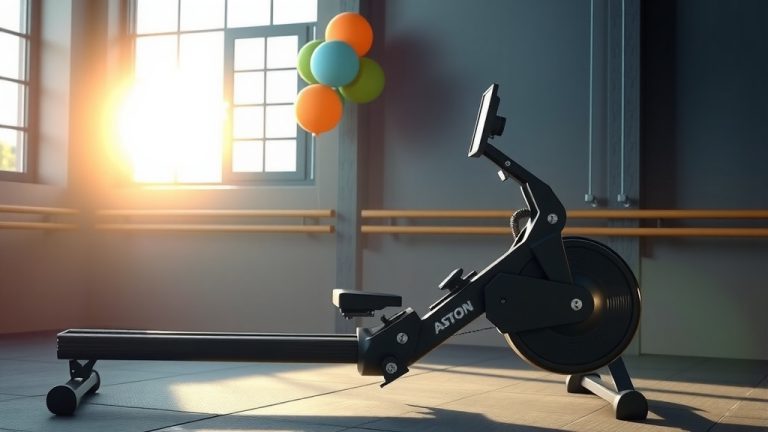
How Often Should You Row On A Rowing Machine?

For most adults, aiming to row on a rowing machine 3-5 times a week for 20-30 minutes is a great starting point for general fitness and health benefits.
This frequency allows for adequate recovery while still building cardiovascular health, strengthening major muscle groups, and improving your endurance effectively.
- Rowing 3-5 times weekly is ideal for most fitness goals, balancing effort and recovery.
- Beginners should start with shorter, less frequent sessions, like 15 minutes, 2-3 times a week.
- Listen to your body; rest days are vital to prevent injury and promote muscle repair.
- Vary your workouts with different intensities and durations to keep things interesting and effective.
- Consistency beats intensity – regular, moderate rowing is more beneficial than sporadic, intense bursts.
How Often Should You Row On A Rowing Machine?
You’re ready to get fit, and your rowing machine is calling. But how often should you actually jump on it? The short answer for most people is 3 to 5 times a week. This balance helps you see results without overdoing it. Think of it like a good friendship; consistent effort builds a strong bond.
Why Row Regularly? The Benefits Are Huge!
Rowing isn’t just a trend; it’s a powerful workout. When you row consistently, you unlock a wealth of fitness rewards. We found that regular rowing truly transforms your body and your health.
Full Body Workout
Have you ever noticed how many muscles you use on a rower? Research often highlights rowing as one of the few exercises that engages about 86% of your muscles (American Fitness Professionals & Associates). You’re working your legs, core, back, and arms all at once. It’s like getting several workouts rolled into one efficient package.
Cardiovascular Boost
Your heart is a muscle, and rowing gives it a fantastic workout. Regular sessions help strengthen your heart and lungs. Many experts agree that consistent aerobic exercise, like rowing, improves your overall heart health (Mayo Clinic). You’ll notice better stamina in your daily life, too.
Low Impact on Joints
Unlike running or other high-impact activities, rowing is incredibly gentle on your joints. Your feet stay connected to the footplates, reducing stress. This makes it a brilliant choice for almost anyone, including those recovering from injuries or looking for a joint-friendly workout.
Finding Your Perfect Rowing Rhythm
The “perfect” frequency for you depends on your fitness level and goals. Are you just starting out, or are you a seasoned pro? Let’s figure it out together.
Beginners: Start Slow and Build Up
If you’re new to rowing, ease into it. Your body needs time to adapt to the new movements and demands. Many fitness coaches recommend starting with 2-3 sessions per week, each lasting 15-20 minutes. Focus on proper form first, before worrying about speed or distance. It’s like learning to ride a bike; practice makes perfect, but slow and steady wins the race.
Intermediate Rowers: Stepping Up Your Game
Once you feel comfortable and your form is solid, you can increase your frequency. For intermediate rowers, 3-4 times a week for 25-40 minutes per session is a good target. You might start incorporating some interval training to boost your fitness even more. Think about challenging yourself a bit, but always listen to your body.
Advanced Rowers: Pushing Your Limits
Are you training for a race or aiming for peak fitness? Advanced rowers might row 4-6 times a week. Sessions can range from 30 to 60 minutes or longer, with varying intensities. This often includes a mix of long, steady rows and high-intensity interval training (HIIT). Even at this level, rest days are crucial for continued progress.
Listening to Your Body: The Recovery Factor
More isn’t always better, especially when it comes to exercise. Recovery is when your muscles actually grow stronger. Ignoring rest can lead to fatigue, injury, or even burnout. We found that prioritizing recovery is non-negotiable for long-term success.
Active Recovery Days
On your “off” days, you don’t have to be completely sedentary. Light activities like walking, stretching, or gentle yoga can aid recovery. These activities help with blood flow and muscle repair without overtaxing your system. It’s like giving your body a little spa day.
When to Take a Rest Day
Sometimes, a full rest day is exactly what you need. If you’re feeling unusually tired, experiencing muscle soreness that doesn’t go away, or simply lack motivation, take a break. Your body is trying to tell you something important. Experts from the National Institutes of Health (NIH) stress the importance of rest for muscle repair and growth.
Mixing It Up: Varying Your Workouts
To keep your rowing routine engaging and effective, don’t do the same thing every time. Your muscles, and your mind, benefit from variety. This prevents plateaus and keeps you excited about your next session.
- Long, Steady Rows: Work on endurance at a moderate pace.
- High-Intensity Interval Training (HIIT): Short bursts of max effort followed by recovery.
- Pyramid Workouts: Gradually increase intensity, then decrease.
- Form Drills: Focus on perfecting your stroke technique.
Common Mistakes to Avoid
Even with the best intentions, it’s easy to fall into certain traps. Steering clear of these can make your rowing journey smoother and more rewarding.
One big mistake is overtraining too quickly. Jumping from zero to five intense sessions a week can lead to injury. Another common pitfall is neglecting form for speed. Proper technique keeps you safe and makes your workout more effective. We often see people forgetting the crucial recovery phase of the stroke; remember to push with your legs first!
Your Weekly Rowing Schedule: A Quick Guide
Here’s a simple table to help you visualize a potential rowing schedule based on your current fitness level. Remember, this is a guide, not a strict rule. Adjust it to fit your life and how you feel.
| Fitness Level | Frequency (per week) | Duration (per session) | Focus |
|---|---|---|---|
| Beginner | 2-3 times | 15-20 minutes | Form, consistency |
| Intermediate | 3-4 times | 25-40 minutes | Endurance, intensity |
| Advanced | 4-6 times | 30-60+ minutes | Performance, varied training |
Checklist for Consistent Rowing Success
Want to make rowing a sustainable part of your life? Here’s a quick checklist to help you stay on track and get the most out of every stroke:
- Set Realistic Goals: Start small and celebrate every milestone.
- Prioritize Proper Form: Watch videos and practice to prevent injury.
- Schedule Your Rows: Treat them like important appointments.
- Stay Hydrated: Drink plenty of water before, during, and after.
- Fuel Your Body: Eat a balanced diet to support your energy levels.
- Listen to Your Body: Don’t ignore signals for rest or adjustment.
Conclusion
So, how often should you row? It’s truly a personal journey, but the consensus points to 3-5 times a week for most people looking for solid health benefits. Starting with fewer, shorter sessions and gradually building up is a smart strategy. Remember, your rowing machine is a tool for fitness, and consistent, mindful use will yield the best results. Listen to your body, enjoy the journey, and keep that flywheel spinning!
Can I row every single day?
While technically possible, rowing every day is generally not recommended for most people, especially if you’re doing intense workouts. Your muscles need time to recover and repair. Many fitness experts suggest including at least one or two rest days each week to prevent overtraining and promote long-term progress (American Council on Exercise).
How long should a beginner’s rowing session be?
A great starting point for beginners is 15-20 minutes per session. This duration allows you to focus on learning proper form without getting overly fatigued. As you build stamina, you can gradually increase your time by a few minutes each week until you reach your desired duration.
What if I only have 10 minutes to row? Is it still worth it?
Absolutely! Even 10 minutes of rowing can provide a fantastic workout, especially if you focus on higher intensity. A quick 10-minute session is far better than skipping your workout entirely. It helps maintain consistency and can still boost your cardiovascular health.
Does rowing build big muscles, or just tone them?
Rowing is excellent for building muscle endurance and toning. It engages major muscle groups like your legs, glutes, core, back, and arms. While it won’t typically lead to the massive muscle growth seen with heavy weightlifting, it will certainly make your muscles stronger, more defined, and more functional.
Is rowing better than running for overall fitness?
Neither is inherently “better” than the other; they offer different benefits. Rowing provides a full-body workout with minimal impact on joints, engaging more muscle groups simultaneously. Running is a high-impact, excellent cardiovascular workout that primarily targets the lower body. The “best” choice depends on your fitness goals, preferences, and physical needs.