How To Fix Rowing Machine?
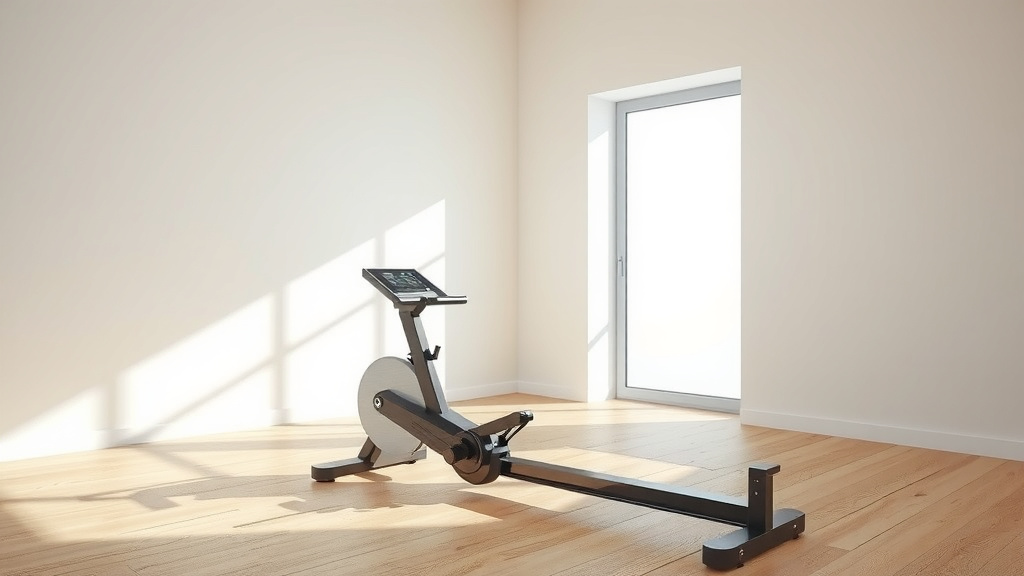
Fixing your rowing machine often starts with basic checks like ensuring all connections are secure, examining the resistance mechanism for blockages, and reviewing your user manual. Most issues can be resolved with a bit of troubleshooting and common household tools.
To fix a rowing machine that isn’t working right, begin by confirming the power source is active, inspecting the drive belt or chain for damage, and checking for any loose bolts or worn parts that might be causing friction or reduced performance.
Before you even grab a wrench, let’s get you to the answers fast. Here’s a quick look at what we’ll cover to help you get your rower back in prime condition:
- Check simple connections first, like power and cables.
- Address common resistance problems, whether it’s air, water, or magnetic.
- Silence those annoying squeaks and groans with proper lubrication.
- Troubleshoot console issues for accurate workout tracking.
- Understand when a DIY fix is okay, and when it’s time for expert help.
How To Fix Rowing Machine?
You can often fix your rowing machine by identifying the symptom, then systematically checking common culprits like loose parts, tangled chains, or low water levels, usually starting with the simplest solutions. Many expert guides suggest a methodical approach saves time and effort.
Imagine your rowing machine is like a trusty steed. When it sputters or slows, you want to know why, right? We’ve all been there, mid-workout, and suddenly your smooth stroke feels… off. Don’t worry, most rowing machine problems are solvable without needing a complete overhaul.
Start with the Basics: Power and Connections
Before diving deep, let’s rule out the easy stuff. Is your machine getting power? This might sound obvious, but we often overlook the simplest things when frustrated. Check if the power cord is securely plugged into both the wall and the machine (if it’s electric). Many experts recommend this as the first step in any troubleshooting guide (Manufacturer Guidelines).
Also, look at any data cables. Is your monitor connecting properly? A loose cable might be why your screen is blank or showing incorrect readings. Gently push them in to make sure they are snug. Sometimes, a simple jiggle is all it takes to bring your console back to life.
Console Not Working? Here’s What to Do
A non-responsive console can be really frustrating. How do you track progress without it? First, check the batteries. If your console uses them, replace them with fresh ones. This is a common fix we found in user forums.
If batteries aren’t the issue, look for a reset button. Many models have a tiny hole you can press with a paperclip. Consult your specific rower’s manual for its location. A factory reset can often clear glitches and get your display functioning correctly again.
Tackling Resistance Problems
Resistance issues are a big deal; they affect your entire workout. The fix depends on your rower’s type: air, water, or magnetic.
Air Resistance Rowers: Fan and Damper
If your air rower feels too easy or too hard, check the damper setting. Is it where you usually keep it? Sometimes it gets bumped. Also, inspect the fan cage for any lint, pet hair, or small debris. We found that blockages can drastically reduce resistance (Fitness Equipment Maintenance guides).
Use a vacuum cleaner to gently clear any obstructions from the fan cage. Make sure the fan spins freely. If it still feels off, the internal chain or belt connected to the fan might need adjustment or repair, which might require opening the casing.
Water Resistance Rowers: Tank and Bungee
For water rowers, the resistance comes from, well, water! Is the water level adequate? Over time, some water can evaporate. Add distilled water if needed, ensuring it’s within the recommended fill lines. Many guidelines point to maintaining proper water levels for consistent resistance (WaterRower Support).
Also, check the bungee cord under the rower. This cord pulls the handle strap back after each stroke. If it’s loose or worn, your handle won’t retract properly, affecting perceived resistance. You might need to adjust or replace it.
Magnetic Resistance Rowers: Magnets and Flywheel
Magnetic rowers use magnets to create resistance. If it’s too weak or too strong, the most common issue is the resistance cable. Is it securely attached to the console and the magnet mechanism? Sometimes it gets dislodged. Experts suggest checking this cable for kinks or damage.
If the cable seems fine, the resistance dial itself might be faulty or improperly calibrated. This might require professional attention, but often just ensuring cable tension is correct can solve the problem.
Silencing Squeaks and Noises
Is your rower sounding like a haunted house? Squeaks are annoying but usually easy to fix. We found that most noises come from friction between moving parts.
Lubricate the Seat Rail
The seat rollers often cause squeaks. Clean the rail thoroughly with a damp cloth, removing any dust or grime. Then, apply a small amount of silicone-based lubricant to the rail. Avoid oil-based lubricants as they can attract more dirt. Many users report this simple step creates a noticeably quieter glide.
Inspect the Chain or Belt
A squeaky chain or belt might need attention. For chain-driven rowers, apply a small amount of chain oil (like 3-in-1 oil) to the chain links. Work the oil in by doing a few slow strokes. For belt-driven machines, check for fraying or misalignment. A worn belt usually needs replacement, as it can also affect resistance.
Loose Bolts and Wobbly Parts
Over time, vibrations from vigorous workouts can loosen bolts and screws. A wobbly footrest or frame can be distracting and even unsafe. Grab an Allen wrench set and go over the entire machine. Tighten any bolts you find loose.
Research often connects periodic bolt tightening with increased machine longevity (Exercise Equipment Maintenance guides). This quick check can prevent bigger problems down the line, ensuring your rower stays stable and secure.
Your Rowing Machine Troubleshooting Checklist
Sometimes, a simple checklist helps you cover all your bases. Keep this handy!
- Is the power cable fully inserted?
- Are console batteries fresh?
- Are all data cables secure?
- Is the damper/resistance level set correctly?
- Are fan vents clear of debris?
- Is the water level correct in the tank?
- Are seat rollers and rail clean and lubricated?
- Is the drive chain/belt free of kinks and lubricated (if applicable)?
- Are all nuts and bolts tightened?
- Is the bungee cord intact and tensioned correctly?
When to Call for Help (or Replace)
While many fixes are DIY-friendly, some problems are beyond basic troubleshooting. If you’ve tried everything and your machine still isn’t working, it might be time to call customer support for your brand. They can offer specific guidance or identify if a part needs replacing.
We found that persistent issues often point to internal component failure. For older machines, sometimes the cost of repair outweighs the cost of a new, updated model. It’s a pragmatic decision to weigh your options. Don’t hesitate to seek expert advice when needed.
| Problem Symptom | Possible Cause | Quick Fix |
|---|---|---|
| No console display | No power, dead batteries, loose cable | Check plug, replace batteries, re-seat cable |
| Low resistance (air rower) | Damper setting, debris in fan | Adjust damper, vacuum fan cage |
| Low resistance (water rower) | Low water level, loose bungee | Add distilled water, check bungee tension |
| Squeaky seat | Dirty rail, dry rollers | Clean rail, apply silicone lubricant |
| Handle not retracting | Loose bungee cord | Adjust or replace bungee cord |
| Wobbling frame | Loose bolts | Tighten all accessible bolts |
Conclusion
Getting your rowing machine back in top shape doesn’t have to be a Herculean task. Most issues stem from common wear and tear or simple oversight. By systematically checking connections, addressing resistance mechanisms, and maintaining moving parts, you can often fix your rowing machine yourself. Remember, regular maintenance goes a long way in preventing future headaches. So, take a deep breath, troubleshoot step-by-step, and you’ll be back to smooth, consistent strokes in no time. Happy rowing!
How often should I perform maintenance on my rowing machine?
Many experts suggest performing light maintenance, such as cleaning the rail and checking bolts, weekly or after every few workouts. A more thorough inspection and lubrication can be done monthly or every 50 hours of use, whichever comes first.
Can I use any lubricant for my rowing machine?
No, not all lubricants are suitable. For seat rails, a silicone-based lubricant is often recommended as it doesn’t attract dust. For chains (on chain-driven models), a light machine oil or chain oil is best. Always refer to your manufacturer’s guide for specific recommendations, as using the wrong type can cause damage.
My rowing machine is making a grinding noise. What could it be?
A grinding noise often indicates friction or interference within the resistance mechanism or drive system. For air rowers, check for debris in the fan. For magnetic or water rowers, it could signal an issue with internal components or bearing wear. Stop using the machine and investigate to prevent further damage.
Is it normal for the water level in my water rower to decrease?
Yes, it’s completely normal for the water level in a water rower to decrease over time due to evaporation. This is why periodic checks and topping up with distilled water are part of routine maintenance. Don’t worry, your rower isn’t leaking unless you see puddles!
When should I consider replacing parts versus buying a new machine?
Consider replacing parts if the cost is significantly less than a new machine, and if only one or two components are failing. If multiple major parts are worn out, the machine is very old, or finding replacement parts is difficult, investing in a new machine might be more cost-effective in the long run. Many experts recommend weighing the repair cost against 50% of a new machine’s price as a rough guide.