
How to Prevent Blisters from Rowing?
Preventing blisters from rowing is all about managing friction and moisture. You can significantly reduce your chances of getting them by using proper grip technique and wearing moisture-wicking gloves. Protecting your hands before you even start rowing is key to a comfortable experience.
Blisters are a common nuisance for rowers. They form when the skin on your hands rubs too much against your oar or glove. Keeping your hands dry and comfortable can make a big difference in your rowing endurance. Many experienced rowers swear by a few simple, yet effective, preventative measures to keep their hands in top shape.
- Use a secure, yet relaxed, grip on your oars.
- Wear rowing gloves or tape your hands.
- Keep your hands as dry as possible.
- Address any hot spots immediately.
- Build up your rowing time gradually.
Ready to learn the secrets to blister-free hands? Let’s walk through exactly how to keep your rowing sessions pain-free and enjoyable.
Keeping Your Hands Happy: How to Avoid Rowing Blisters
Blisters can stop your rowing session dead in its tracks. We’ve all been there, right? That tiny spot on your hand starts to burn, then sting, and before you know it, you’re thinking more about your hand than your stroke. The good news is, preventing them is totally doable. It boils down to a few smart habits and the right gear.
Mastering Your Grip: The Foundation of Blister Prevention
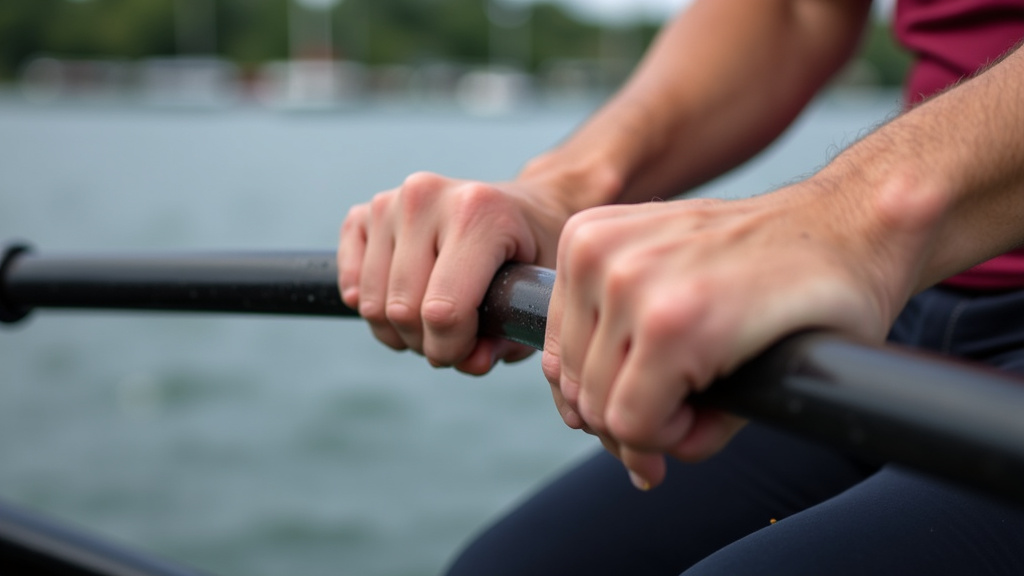
Your hands are your direct connection to the oar. How you hold it makes a huge difference. A death grip is your enemy here. It creates unnecessary friction and pressure points. Learning proper form is crucial for preventing blisters and discomfort.
Finding the Sweet Spot: A Relaxed Yet Firm Hold
Think of your grip like shaking hands. You want it to be firm enough to control the oar, but not so tight that your knuckles turn white. We found that many rowers benefit from a grip that allows for some movement of the skin over the palm. This prevents the skin from tearing.
- Imagine holding a bird gently. Too tight, and you crush it. Too loose, and it flies away. Your oar grip should be somewhere in between.
- Keep your fingers relaxed. Don’t clench them into fists around the oar handle.
- Your thumb should wrap naturally around the handle. It acts as an anchor.
The Role of Hand Position
Where your hands are placed on the oar matters too. Some rowers experience rubbing more on the heel of their palm or along the fingers. Pay attention to where you feel the most contact.
We found that adjusting your hand position slightly can sometimes alleviate pressure. Even a small shift can redirect friction away from sensitive areas. Don’t be afraid to experiment during practice.
Gear Up for Success: Your Blister Defense Squad
The right gear can be your best friend when it comes to preventing blisters. Gloves and tape are popular choices for a reason. They create a barrier between your skin and the oar handle.
Rowing Gloves: A Protective Layer
Good rowing gloves are designed to wick away moisture and provide padding. They should fit snugly without being too tight. Think of them like a second skin.
Many athletes find that gloves made from synthetic materials work best. These materials help pull sweat away from your skin. This keeps your hands drier and cooler. We found that gloves with a good palm grip but minimal seams are ideal.
What to Look for in Rowing Gloves
- Material: Look for breathable, moisture-wicking fabrics.
- Padding: Strategically placed padding in high-friction areas can help.
- Fit: They should feel comfortable and not restrict movement. Avoid gloves that bunch up.
- Durability: Good quality gloves will last longer and offer consistent protection.
Taping Your Hands: A Custom Solution
For some rowers, tape is a lifesaver. It can be applied directly to your hands or over areas that tend to blister. It offers a highly customizable level of protection.
Athletic tape or sports tape is commonly used. The key is to apply it smoothly, without wrinkles or bumps. Wrinkles in the tape can actually create new friction points. Many experts advise applying tape before you start to warm up.
Tips for Effective Taping
- Start with clean, dry hands.
- Apply tape in overlapping strips.
- Ensure all edges are smooth and lie flat.
- Cover areas prone to blisters, like the heel of your palm and finger bases.
- Don’t wrap too tightly, as this can cut off circulation.
The Moisture Factor: Keeping Your Hands Dry
Sweat is a major contributor to blisters. Wet skin is softer and more prone to friction damage. Keeping your hands as dry as possible is a constant battle, but it’s one you can win.
We found that even during intense rowing sessions, small steps can make a big difference. Drying your hands between rows or during breaks is a simple but effective strategy. Some rowers even carry a small towel specifically for their hands.
During Your Row: Little Checks That Count
If you’re not wearing gloves, or even if you are, take a moment to check your hands. If they feel damp, try to air them out briefly. Shake your hands a little. It sounds simple, but it helps.
Many rowing coaches recommend quick hand checks. They help you identify potential problems early. It’s about being aware of your body’s signals. Your hands are talking to you; listen!
Addressing Hot Spots: Nip It in the Bud!
A “hot spot” is that first sign of trouble. It’s a tender, warm feeling on your skin. It means friction is starting to cause damage. Ignoring it is a recipe for a full-blown blister.
Immediate Action is Key
The moment you feel a hot spot, stop. Don’t try to push through it. We found that addressing a hot spot right away is much easier than dealing with a blister later. Reach for your tape or a blister bandage.
Apply a protective layer over the hot spot. This creates a smooth surface and reduces further friction. Continuing to row without protection will likely turn that hot spot into a painful blister. Think of it like a small repair job before the wall crumbles.
Building Up Your Stamina: Gradual Progression
Jumping into long, intense rowing sessions without preparation can overwhelm your hands. Your skin needs time to toughen up. Gradual exposure to rowing is essential for preventing blisters.
Listen to Your Body’s Limits
Start with shorter distances and less frequent rows. As your hands get used to the activity, you can slowly increase the duration and intensity. This is known as progressive overload for your skin.
Many sports medicine guidelines suggest this gradual approach for any new or returning activity. It allows your body, including your skin, to adapt. We found that consistency is more important than intensity when you’re starting out.
A Sample Progression Plan
Consider this a general guideline. Adjust it based on how your hands feel.
| Week | Rowing Duration (Minutes) | Frequency (Days per week) | Notes |
|---|---|---|---|
| 1 | 20-30 | 2-3 | Focus on form, relaxed grip. Monitor hands for any hot spots. |
| 2 | 30-40 | 3 | Slightly increase duration. Continue to check hands for irritation. |
| 3 | 40-50 | 3-4 | Introduce a slightly longer row if hands feel good. |
| 4 | 50-60 | 4 | Continue to build endurance. Your hands should be adapting well now. |
This table is a starting point. If you experience significant discomfort or hot spots, take a step back. Recovery is part of the process.
Checklist for Blister-Free Rowing
Keep these points handy for your next rowing session:
- Check your grip: Is it relaxed but secure?
- Inspect your gear: Are your gloves or tape in good condition?
- Feel for hot spots: Stop and treat them immediately.
- Manage moisture: Dry your hands when needed.
- Gradually increase time: Don’t overdo it too soon.
Conclusion
You’ve now got the roadmap to keeping your hands happy and blister-free on the water. Remember, it’s all about smart habits and the right preparation. Mastering your grip, choosing appropriate gear like gloves or tape, and managing moisture are your best defenses. Don’t forget to address any hot spots immediately and build up your rowing time gradually. Put these strategies into practice today, and you’ll be enjoying longer, more comfortable rows without the pain of blisters.
Frequently Asked Questions
How often should I replace my rowing gloves?
It’s time for new rowing gloves when they lose their padding or the material starts to break down. You might also need replacements if the grip on the palms wears out. Generally, you’ll notice a difference in comfort and protection when they’re no longer effective.
Can I use regular workout gloves for rowing?
While regular workout gloves offer some protection, they often aren’t ideal for rowing. Rowing-specific gloves are designed with particular padding and materials to handle the repetitive motion and moisture. We found that specialized gloves perform much better at preventing friction points.
What’s the best way to tape my hands for rowing if I don’t have gloves?
For effective taping, start with clean, dry hands. Overlap strips of athletic tape smoothly, ensuring no wrinkles or rough edges. Focus on covering the areas where you typically feel friction, like the heel of your palm and the base of your fingers. Make sure the tape isn’t so tight that it restricts blood flow.
How can I tell if my grip is too tight?
A grip that’s too tight will make your knuckles turn white and your forearms feel fatigued quickly. You might also notice your hands getting sweaty faster. Try to consciously relax your grip during your next row, aiming for a firm but comfortable hold.
What should I do if I already have a blister from rowing?
If you already have a blister, the best course of action is to protect it to prevent further irritation or infection. You can use a specialized blister bandage or carefully apply tape over it. Avoid rowing if the blister is severe or very painful until it has had a chance to heal.
