Is A Rowing Machine Bad For Your Back?
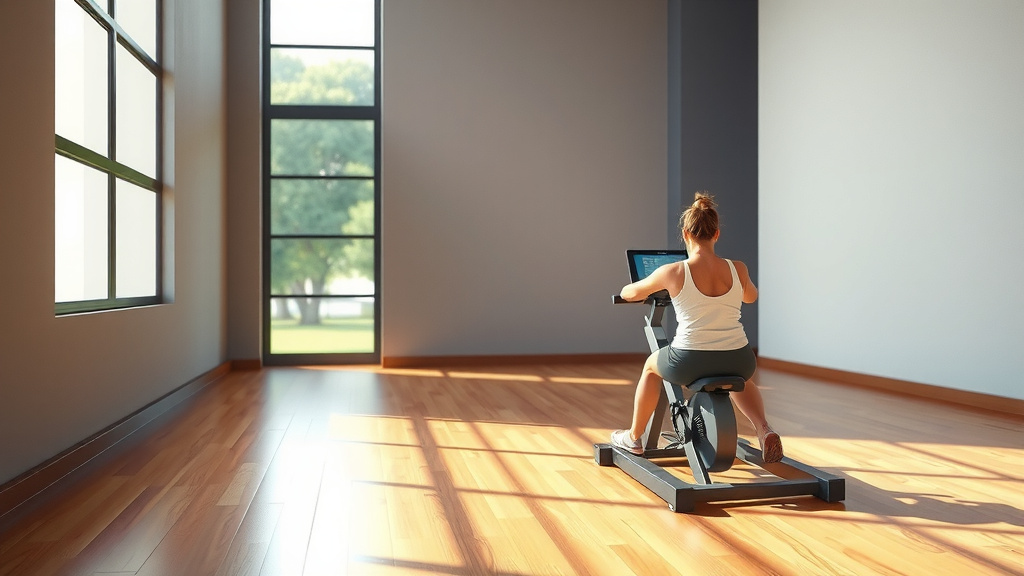
No, a rowing machine is not inherently bad for your back. In fact, with proper form and careful technique, a rowing machine can be an excellent tool for strengthening your back muscles and improving posture.
The key to safe and beneficial rowing lies in understanding and executing the correct movement pattern, focusing on using your legs and core, not just your back.
Here’s a quick overview of what you’ll discover:
- Rowing machines are generally safe for your back when used correctly.
- Incorrect form is the main reason people experience back discomfort.
- Prioritize leg drive and core engagement to protect your spine.
- Warm-ups and cool-downs are essential for back health.
- Listen closely to your body to prevent any potential strain.
Is A Rowing Machine Bad For Your Back?
Rowing machines are not bad for your back if you use them correctly. Many fitness experts and research studies, like those often cited by the American Council on Exercise (ACE), confirm that proper rowing form can even strengthen your back.
The Real Culprit: Poor Form
Think of it like lifting a heavy box. You wouldn’t use just your back, would you? You’d bend your knees and use your legs. Rowing is similar. Back pain often comes from a lack of understanding the **correct technique and movement**.
When you row with bad form, your lower back takes on too much strain. This can lead to discomfort or even injury. It’s not the machine itself that’s bad; it’s **how you interact with it**.
The Drive: Power from Your Legs
The “drive” part of the rowing stroke is where you push off the foot stretcher. This phase should be **mostly leg work**. Your powerful leg muscles should initiate the movement, not your back.
Imagine pushing through the floor to stand up. That’s the power you want to generate. Your back and arms follow the legs, not the other way around. This keeps your spine safe and strong.
The Finish: Leaning Back (Just Enough)
At the “finish” of the stroke, you lean back slightly. This lean should be minimal, perhaps to an **11 o’clock or 1 o’clock position** on a clock face. It engages your core and upper back.
Leaning too far back puts excessive pressure on your lumbar spine. It’s a common mistake that can easily cause pain. Keep that lean controlled and short.
How to Protect Your Back While Rowing
Protecting your back is all about mastering the basics. It’s like learning to ride a bike; once you get the hang of it, it becomes second nature. Focus on a **few key principles** every time you row.
Master the Catch Position
The “catch” is your starting point, at the front of the machine. Your shins should be vertical, and your back should be tall and straight. Avoid **rounding your lower back** here.
Many people slouch at the catch, which sets them up for strain throughout the stroke. Think of your spine as long and proud, ready to engage.
Engage Your Core, Always
Your core muscles are your body’s natural brace. Engaging them helps stabilize your spine. Imagine drawing your belly button towards your spine; that’s the feeling you want.
A strong core supports your back through every stroke. It acts like a **protective shield** for your lower back. Never forget this crucial step.
Here’s a quick checklist for good rowing form:
- Keep your back straight and tall, never rounded.
- Initiate the drive phase with a powerful leg push.
- Engage your core muscles throughout the stroke.
- Maintain a slight lean back at the finish, not too far.
- Keep your shoulders relaxed and down, away from your ears.
Common Mistakes That Hurt Your Back
Many people fall into similar traps when rowing. Identifying these mistakes is the first step to correcting them. You want to avoid habits that put your **spine at risk**.
The “Scoop” or Over-reaching
This happens when you lean too far forward at the catch, trying to get more “reach.” It causes your lower back to round excessively. This puts a lot of **stress on your discs**.
Instead, focus on a controlled movement. Let your legs bring you forward, not just your upper body collapsing. Reach naturally, but don’t overstretch.
Rounding Your Lower Back
This is perhaps the most common and dangerous mistake. A rounded lower back means your spine is not in a neutral position. It creates an **imbalance of pressure**.
Always strive for a neutral spine, whether at the catch, drive, or finish. Think of a straight line from your head to your tailbone. This is **critical for back health**.
Leaning Too Far Back
We touched on this earlier, but it’s worth repeating. Over-leaning at the finish puts a **hyperextension strain** on your lower back. It’s like arching your back too much.
Keep your core engaged and control that lean. The goal is efficiency, not a dramatic layback. Research often connects excessive spinal movement with **increased injury risk** (NIH).
Benefits of Rowing for Back Health
When done correctly, rowing offers significant benefits for your back. It’s a full-body workout that can **improve overall strength and endurance**. This includes the muscles supporting your spine.
Strengthening Key Muscles
Rowing works your core, glutes, hamstrings, and the muscles in your upper back. These are all crucial for **supporting your spine** and maintaining good posture. Think of them as your body’s natural corset.
A stronger back and core mean better stability. We found that individuals with stronger core muscles often report **less incidence of lower back pain** (Cleveland Clinic).
Improving Posture
Because rowing strengthens your upper back and core, it naturally helps pull your shoulders back and down. This can counteract the effects of sitting hunched over a desk all day. **Better posture means less strain** on your spine.
Regular, correct rowing can contribute to a more upright stance. It can help you feel taller and more confident, too. Who wouldn’t want that?
Listening to Your Body: When to Stop
Your body is smart. It gives you signals. Paying attention to these signals is paramount. Don’t try to push through pain, especially when it comes to your back.
Recognizing Warning Signs
If you feel a sharp pain, tingling, or numbness in your back or legs while rowing, stop immediately. These are **red flags** that something is wrong. Many guidelines point to rest and seeking advice as a good first step (Mayo Clinic).
Even a dull ache that persists should be investigated. It might indicate improper form or an underlying issue. Your health is more important than finishing a workout.
Essential Pre- and Post-Row Stretches
Preparing your body with a warm-up and cooling down with stretches is not just an option; it’s a necessity. This helps your muscles get ready and then recover properly. It’s like gently **waking up your body** and then tucking it in.
Consider these simple stretches to support your back:
| Before Rowing (Warm-up) | After Rowing (Cool-down) |
|---|---|
| Light cardio (5 mins) | Cat-Cow stretch (gentle spinal movement) |
| Arm circles (forward & backward) | Knee-to-chest stretch (single and double) |
| Torso twists (gentle rotation) | Seated forward fold (gentle hamstring & back stretch) |
| Dynamic leg swings | Spinal twist (supine, gentle) |
Conclusion
No, a rowing machine is not inherently bad for your back. In fact, it can be a fantastic tool for strengthening your entire body, including the muscles that support your spine. The trick is to focus on **impeccable form** and listen to your body’s signals. By prioritizing a powerful leg drive, engaging your core, and maintaining a neutral spine, you can enjoy all the benefits of rowing without putting your back at risk. Remember, knowledge and correct technique are your best allies for a **healthy and strong back** on the rower.
Are Rowing Machines Good for Sciatica?
Rowing can be tricky with sciatica. The repetitive flexion and extension of the spine can sometimes aggravate sciatic nerve pain if your form isn’t perfect. Some experts suggest avoiding rowing during acute flare-ups. However, with very careful, pain-free technique and medical clearance, some individuals might use rowing to gently strengthen core muscles, which can support the spine. Always consult your doctor before starting any exercise with sciatica.
Can Rowing Help Strengthen My Core?
Absolutely! Rowing is an excellent core strengthening exercise. Every stroke requires your abdominal and lower back muscles to stabilize your torso and transfer power from your legs to your arms. When you engage your core properly throughout the entire movement, you build functional strength that supports your spine and improves overall stability. It’s a dynamic way to work those core muscles.
What if I feel a sharp pain in my back while rowing?
If you experience any sharp pain in your back while rowing, stop immediately. Do not try to push through it. Sharp pain is a clear sign that something is wrong and continuing could lead to injury. Rest, apply ice if appropriate, and consider consulting a healthcare professional or physical therapist to assess the issue and get personalized advice before resuming your workouts.
How important is seat height for back health on a rowing machine?
For most standard rowing machines, the seat height is fixed, or the rail incline is. What’s more important for back health is your **posture on the seat itself**. Sit tall, maintain a neutral spine, and avoid slouching or rounding your lower back. If you are using a non-standard machine or an adjustable one, a seat height that allows your knees to bend comfortably and keeps your hips slightly above your knees can promote better spinal alignment, but proper form outweighs minor adjustments in most cases.
Should I warm up and cool down specifically for my back before and after rowing?
Yes, absolutely. A dedicated warm-up prepares your back muscles and spine for the movement, increasing blood flow and flexibility. Light dynamic stretches like gentle spinal twists or cat-cow stretches can be very beneficial. After your workout, cooling down with static stretches for your hamstrings, glutes, and lower back helps improve flexibility, reduce muscle stiffness, and aids recovery, further protecting your back from strain.