Is A Rowing Machine Good Exercise?
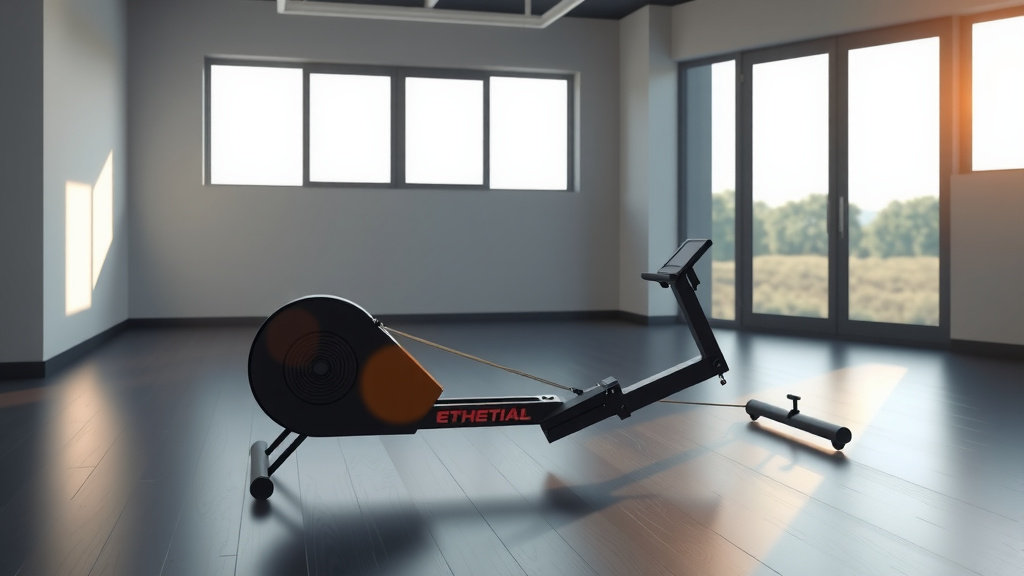
Yes, a rowing machine is an excellent full-body exercise that targets major muscle groups while providing a potent cardiovascular workout. It builds strength, improves endurance, and burns calories effectively, making it a highly efficient fitness tool.
A rowing machine workout engages your legs, core, back, and arms, offering a low-impact yet intense exercise experience for all fitness levels.
- Rowing machines offer a powerful, full-body workout.
- They boost heart health and build strength simultaneously.
- It’s a low-impact exercise, gentle on your joints.
- You can burn significant calories and improve endurance.
- Great for all fitness levels, from beginners to advanced athletes.
Is A Rowing Machine Good Exercise?
Absolutely, a rowing machine offers one of the most complete workouts you can find. It combines strength training and cardio into a single, fluid motion.
Think of it as hitting the gym for a full-body session and then going for a run, all without leaving your seat. Isn’t that smart?
What Muscles Does Rowing Work?
When you use a rowing machine, you’re not just moving your arms. You’re engaging about 85% of your body’s muscles in a coordinated sequence.
This includes everything from your powerful legs to your core, back, and arms. It’s truly a head-to-toe workout.
| Muscle Group | Engagement Level |
|---|---|
| Legs (Quads, Glutes, Hamstrings) | Primary Power Source |
| Core (Abs, Lower Back) | Stability and Connection |
| Back (Lats, Rhomboids, Traps) | Pulling Motion |
| Arms (Biceps, Triceps, Forearms) | Finish of the Stroke |
Leg Drive Power
Your legs initiate most of the power in a rowing stroke. Pushing off the foot stretcher is like doing a powerful leg press.
We found this action heavily recruits your quads, glutes, and hamstrings. They drive the movement, which is why your legs will feel the burn quickly.
Core Strength Builder
Many people don’t realize how much the core works during rowing. Your abdominal muscles and lower back keep you stable.
They act as a bridge connecting your upper and lower body, transferring power efficiently. A strong core means a stronger, safer stroke.
Upper Body and Back Engagement
As your legs finish their drive, your back muscles take over, pulling the handle towards your body. This engages your lats, rhomboids, and traps.
Then, your biceps and triceps come in for the final part of the pull. It’s a beautifully choreographed muscle dance!
Rowing for Cardiovascular Health
Want a stronger heart? Rowing is fantastic for your cardiovascular system. It gets your heart pumping and your lungs working hard.
Research consistently shows that regular rowing can improve heart health and lung capacity (American Heart Association). It’s a great way to boost your endurance.
Calorie Burn and Weight Management
Rowing is a calorie-burning powerhouse. Because it uses so many muscle groups, your body expends a lot of energy.
Depending on your intensity and body weight, you can burn a significant number of calories in a short time. This makes it an effective tool for weight management.
Low Impact, High Reward
One of the best things about a rowing machine is its low impact nature. Unlike running, there’s no pounding on your joints.
This means less stress on your knees, hips, and ankles. It’s a superb option if you’re recovering from injury or simply prefer a gentler exercise experience.
Who Can Benefit from a Rowing Machine?
Literally almost everyone! From fitness newbies to seasoned athletes, rowing offers benefits.
Beginners can learn proper form for a comprehensive workout. Athletes often use it for cross-training or intense conditioning, adding a new dimension to their routine.
Setting Up Your Rowing Stroke Right
Proper form is key to getting the most out of your rowing machine and avoiding injury. Remember the sequence: Legs, Core, Arms, then Arms, Core, Legs on the return.
Don’t rush the stroke. Focus on a smooth, controlled movement. It’s a powerful but graceful exercise.
- Keep your back straight, not hunched.
- Drive powerfully with your legs first.
- Engage your core for stability.
- Pull the handle towards your lower ribs.
- Return slowly, reversing the motion.
- Maintain a steady, rhythmic pace.
Common Rowing Mistakes to Avoid
It’s easy to make a few common mistakes when you first start. One common error is pulling with your arms too early, instead of driving with your legs.
Another is hunching your back or rounding your shoulders. Focus on good posture and letting your legs do the heavy lifting.
Comparing Rowing to Other Exercises
How does rowing stack up against a treadmill or cycling? While all offer great cardio, rowing brings something unique to the table.
A treadmill mostly focuses on legs. Cycling works legs and cardio. Rowing, however, gives you that full-body strength component alongside the cardio, making it a versatile choice.
Tips for Staying Motivated on Your Rower
Like any exercise, consistency is important. To stay motivated, try varying your workouts. Don’t do the same routine every day.
Set small goals, like increasing your distance or improving your split time. Tracking your progress can be a huge motivator. You’ll love seeing those numbers improve!
Conclusion
So, is a rowing machine good exercise? The answer is a resounding yes! It’s a powerful, low-impact, full-body workout that strengthens muscles, boosts cardiovascular health, and burns calories.
Whether you’re looking to get fit, lose weight, or cross-train for another sport, a rowing machine is an incredibly efficient and effective tool. Give it a try, and you might just discover your new favorite way to work out.
Can a rowing machine help me lose belly fat?
Yes, indirectly! A rowing machine helps burn overall body fat, which includes belly fat, by creating a calorie deficit. There’s no exercise that spot-reduces fat, but consistent full-body workouts like rowing, combined with a healthy diet, are highly effective for total fat loss.
How often should I use a rowing machine for best results?
Many experts suggest aiming for 3-5 sessions per week, each lasting 20-45 minutes. Beginners might start with shorter sessions and gradually increase duration and intensity as their fitness improves. Consistency matters more than extreme, infrequent workouts.
Is rowing a good workout for my back?
When done with proper form, rowing is excellent for strengthening your back muscles, especially your upper and mid-back (lats, rhomboids). It also strengthens your core, which supports your spine. Poor form, however, can strain the back, so always focus on technique.
What’s the difference between air, magnetic, and water rowers?
Air rowers use a fan for resistance, offering a smooth, progressive feel. Magnetic rowers use magnets for quiet, adjustable resistance. Water rowers use actual water in a tank, mimicking the feel of rowing on water, which many users find very natural. Each has its unique feel and sound.
Can beginners use a rowing machine effectively?
Absolutely! Rowing machines are very beginner-friendly. Start with a low resistance setting and focus intently on learning the proper stroke sequence: push with legs, then lean back with core, then pull with arms. Many machines offer guided workouts, or you can find tutorials online. You’ll get the hang of it quickly!