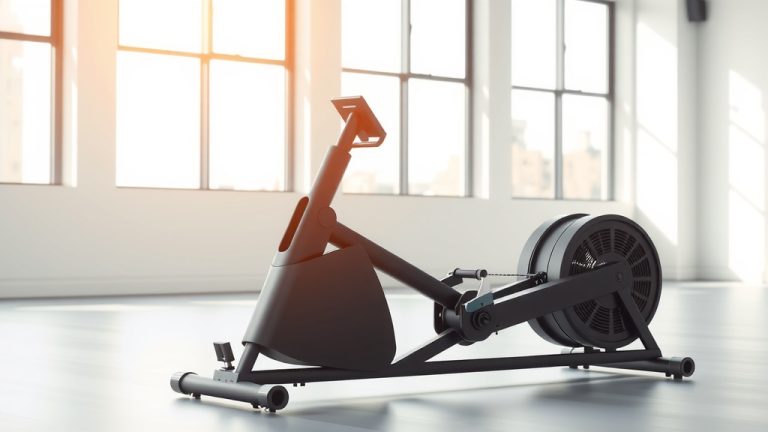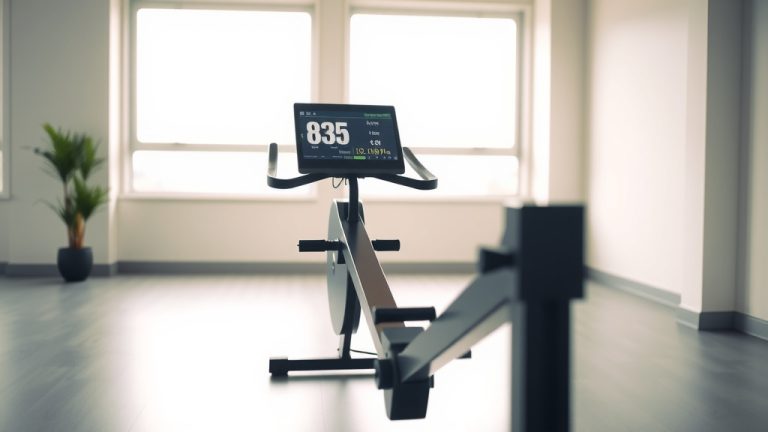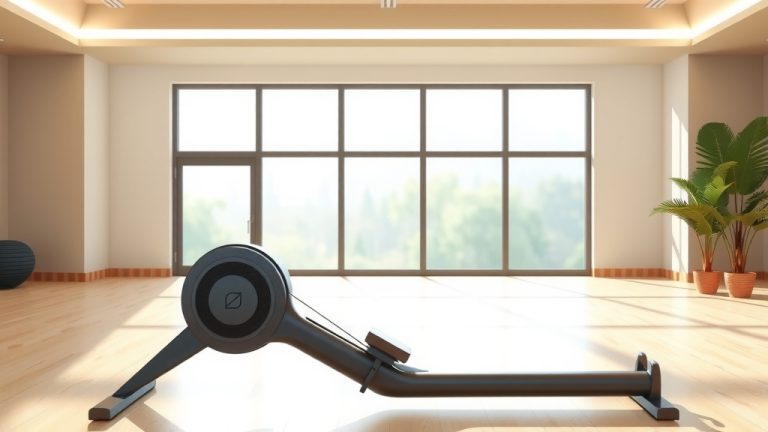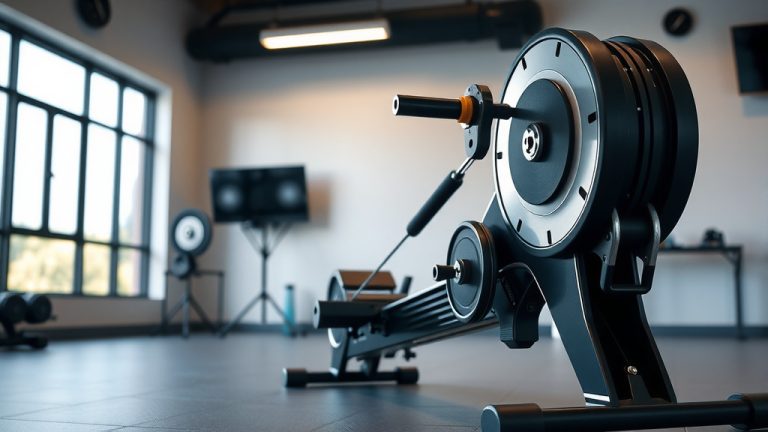
Is Rowing Machine Cardio Or Strength?
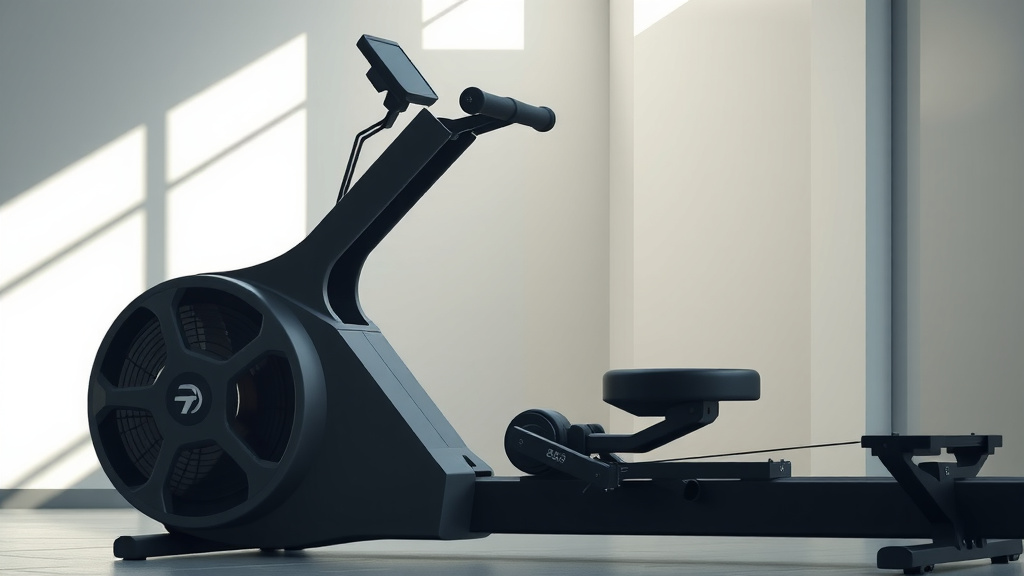
A rowing machine is truly a dual-purpose fitness tool, excelling as both a robust cardiovascular workout and a comprehensive full-body strength builder.
While often celebrated for its cardio benefits, using a rowing machine correctly will significantly challenge and develop your major muscle groups across your back, legs, and core.
- The rowing machine offers a remarkable blend of cardio and strength training in one effective workout.
- It elevates your heart rate for cardiovascular fitness while engaging a vast array of muscles for strength.
- You gain endurance, muscle tone, and a fantastic calorie burn from a single, low-impact exercise.
- Think of it as hitting two major fitness goals with one efficient piece of equipment.
Is Rowing Machine Cardio Or Strength?
The rowing machine is unique because it provides both cardio and strength training. It’s not just one or the other; it’s a powerful combination.
Understanding Cardiovascular Exercise
Cardio is any activity that raises your heart rate and keeps it up for a period. This strengthens your heart and lungs. Running, swimming, and cycling are classic examples.
How Rowing Delivers Cardio Benefits
When you row, your heart works hard to pump blood to all the working muscles. This continuous effort improves your cardiovascular endurance. Regular rowing can help keep your heart healthy (American Heart Association).
We found that even a moderate pace on a rower can quickly get you into your target heart rate zone. This helps burn calories and improves stamina over time.
Understanding Strength Training
Strength training builds muscle and increases your physical power. It involves resisting force, like lifting weights or using your body weight. This makes your muscles stronger and more resilient.
The Strength-Building Power of Rowing
Rowing works nearly every major muscle group in your body. It uses your legs to push off, your core for stability, and your back and arms to pull the handle. This makes it an incredibly efficient strength exercise.
Many experts highlight rowing for its ability to target the posterior chain. This includes your hamstrings, glutes, and back muscles, which are often overlooked in other exercises.
The Best of Both Fitness Worlds
Imagine getting your heart pumping and muscles working all at once. That’s what rowing offers. It’s like a full-body workout and a cardio session rolled into one.
You’re not just building strength; you’re building strong muscles that can perform longer. It’s a very practical kind of fitness for everyday life.
Why It’s So Effective
The smooth, rhythmic motion of rowing makes it low-impact. This means it’s gentle on your joints while still providing intense benefits. It’s a great option for many different fitness levels.
Research indicates that rowing can improve muscle strength and power (National Institutes of Health). At the same time, it can significantly boost your aerobic capacity.
Muscles Engaged During Rowing
Let’s break down which muscles are doing the work. You might be surprised by how much of your body gets involved.
- Legs: Quadriceps, hamstrings, glutes (the powerful push-off phase).
- Core: Abdominals, obliques, lower back (stabilizing your body throughout the stroke).
- Back: Latissimus dorsi, rhomboids, trapezius (the strong pulling motion).
- Arms & Shoulders: Biceps, triceps, deltoids (finishing the pull and assisting).
This comprehensive muscle engagement means you’re not missing out on any major body parts. It truly is a full-body workout experience.
Comparing Rowing to Other Exercises
How does rowing stack up against other popular fitness activities? It offers a unique profile of benefits.
| Exercise Type | Primary Benefit | Secondary Benefit |
|---|---|---|
| Running | Cardio endurance | Leg strength (some) |
| Weightlifting | Muscle strength & growth | Limited cardio (circuit training) |
| Cycling | Cardio endurance | Leg strength |
| Rowing | Cardio endurance & Full-body strength | Core stability, Joint health |
As you can see, rowing stands out for its balanced delivery. It helps you build a very balanced type of fitness.
Maximizing Your Rowing Workout
To get the most out of your rowing machine, focus on your technique. Proper form is key for both safety and effectiveness. You want to make every stroke count.
Tips for Optimal Results
Think of the rowing stroke in phases: the catch, the drive, the finish, and the recovery. Each part plays a role in working your body effectively.
Many guidelines suggest a 60% legs, 20% core, 20% arms ratio for power (Mayo Clinic). This ensures you’re using your strongest muscles properly.
Common Rowing Mistakes to Avoid
It’s easy to make small errors that reduce your workout’s impact. For example, pulling with your arms too early can strain your back.
Another common mistake is hunching over or not sitting tall. Keep your posture strong and engaged throughout the movement.
Your Rowing Checklist for Success
Here are a few quick tips to help you get started and keep your form on point:
- Sit tall with a strong, straight back.
- Start the drive with a powerful leg push.
- Engage your core muscles during the stroke.
- Pull the handle to your mid-abdomen/ribs.
- Control the return with your arms, then core, then legs.
Who Benefits Most from Rowing?
The beauty of the rowing machine is its versatility. It’s truly a great option for almost anyone looking to get fit. Whether you’re a beginner or an experienced athlete, you can find your challenge.
It’s especially beneficial if you’re short on time. A 20-minute row can give you a fantastic full-body session. It’s an efficient way to stay active and healthy.
We observe that people looking for a low-impact workout often turn to rowing. It offers intense exercise without the harsh impact on joints.
Conclusion
So, is a rowing machine cardio or strength? The answer is a resounding both. It’s a remarkably efficient piece of equipment that allows you to strengthen your muscles and boost your heart health simultaneously. By understanding its dual benefits and practicing proper form, you can gain incredible fitness results. You get to sculpt your physique, improve your endurance, and enjoy a full-body workout all in one smooth, flowing motion. It’s an investment in your well-being that pays off with every stroke.
Frequently Asked Questions
Is rowing a good way to lose weight?
Yes, rowing is an excellent way to support weight loss. It burns a high number of calories due to its full-body engagement and cardiovascular demands. Consistent rowing, combined with a balanced diet, can create a calorie deficit, which is vital for shedding pounds.
How often should I use a rowing machine for best results?
For most people, aiming for 3-5 rowing sessions per week can yield significant results. This allows for muscle recovery while consistently challenging your cardiovascular system and strength. Listen to your body and adjust frequency as needed.
Can rowing build big muscles?
While rowing is excellent for muscle toning, endurance, and overall strength, it typically won’t lead to “bulky” muscles like heavy weightlifting might. It builds lean muscle mass, especially in your legs, back, and core, creating a strong and athletic physique.
Is rowing better than running for cardio?
Neither is inherently “better”; they offer different advantages. Rowing provides a full-body, low-impact cardio workout with significant strength benefits, making it joint-friendly. Running is high-impact, primarily targets the lower body, and often burns calories quickly. Your choice depends on your fitness goals and joint health considerations.
Do I need any special gear to use a rowing machine?
Not really! You primarily need comfortable athletic clothing that allows for a full range of motion. Supportive athletic shoes are also helpful. Some people prefer padded shorts for longer sessions, but it’s not strictly necessary for getting started.