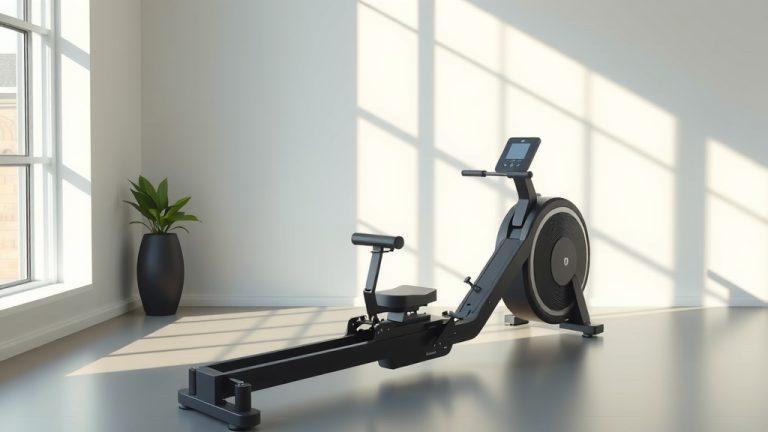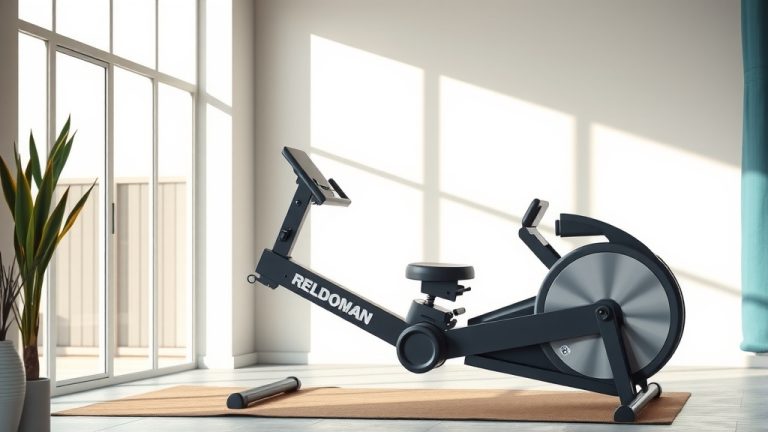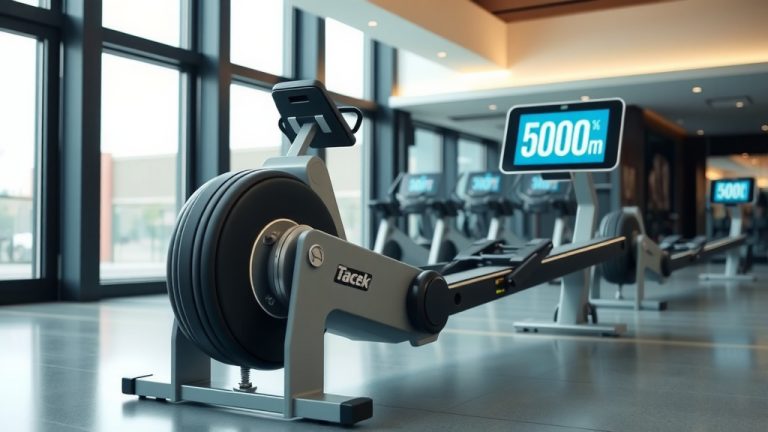
Is Rowing Machine Considered Cardio?

Yes, a rowing machine is absolutely considered cardio, offering an incredibly efficient full-body workout that significantly elevates your heart rate. It provides a powerful way to boost your cardiovascular health and endurance, making it a top choice for cardio fitness.
This versatile exercise engages up to 86% of your muscles, challenging both your aerobic and anaerobic systems while remaining low-impact on your joints.
Here’s a quick overview of why rowing is your cardio champion:
- Rowing machine workouts significantly improve heart and lung function.
- You get a full-body workout, engaging legs, core, and upper body simultaneously.
- It’s a highly efficient way to burn calories and fat.
- Rowing is low-impact, making it gentler on your joints than running.
- It helps build both cardiovascular endurance and muscular stamina.
Is Rowing Machine Considered Cardio?
You bet it is! The rowing machine, often seen tucked away in gyms, is a powerhouse for cardiovascular fitness. It’s not just about building muscle; it’s about getting your heart pumping and lungs working.
Why Rowing Reigns Supreme for Cardio
Think of rowing as a symphony of movement. Every stroke you take works multiple muscle groups together. This comprehensive engagement is exactly what makes it such a phenomenal cardio exercise.
The Full-Body Fitness Factor
When you push off the foot stretcher, your legs do most of the work. Then, your core stabilizes you, and your back and arms finish the stroke. This continuous, rhythmic action demands a lot from your body. This integrated effort means your heart has to work harder to supply oxygen to all those working muscles, boosting your cardiovascular efficiency.
Igniting Your Heart Rate
Have you ever felt your breath quicken and your heart beat faster just a few minutes into a rowing session? That’s your body responding to the demand. Research often shows that rowing can quickly bring your heart rate into the aerobic training zone, maintaining it there for extended periods (American College of Sports Medicine).
Rowing vs. Other Cardio Workouts
How does rowing stack up against other popular cardio options? Let’s take a closer look. You might be surprised by its unique advantages.
Low-Impact, High-Reward
Unlike running or jumping, rowing is a low-impact activity. Your feet remain strapped to the machine, and there’s no pounding on your joints. This makes it a fantastic option if you have knee or hip issues, or if you simply want to protect your joints long-term. You get all the cardio benefits without the harsh impact.
Comparing Calorie Burn
Calorie burn varies greatly depending on intensity and individual factors. However, rowing is known for being a high-calorie burner due to its full-body nature. Here’s a quick comparison for a 150-pound person for 30 minutes of moderate effort:
| Cardio Activity | Approx. Calories Burned (30 min) | Key Muscles Engaged |
|---|---|---|
| Rowing (Moderate) | ~200-300 calories | Legs, core, back, arms, shoulders |
| Running (Moderate) | ~250-350 calories | Legs, glutes, core |
| Cycling (Moderate) | ~180-250 calories | Legs, glutes |
As you can see, rowing is right up there with other effective cardio forms in terms of calorie expenditure, often with broader muscle engagement.
Optimizing Your Rowing for Maximum Cardio Benefits
To truly unlock the cardio potential of your rowing machine, a few things are key. It’s not just about pulling; it’s about pulling effectively and intelligently.
Mastering Your Form
Good form is everything for efficiency and preventing injury. Without it, you might not get the full cardio benefit. You want to make sure you’re engaging the right muscles in the correct sequence.
Here’s a quick checklist for good rowing form:
- Start with legs, pushing powerfully from your feet.
- Keep your core strong and engaged throughout.
- Finish the stroke by pulling with your arms towards your ribs.
- Maintain a smooth, controlled rhythm, not a jerky motion.
- Avoid slouching; keep your chest open and shoulders relaxed.
The Power of Intensity
For cardio, you need to challenge your heart and lungs. This means rowing at an intensity where you can talk, but not comfortably sing. Many experts suggest aiming for a perceived exertion level of 6-7 out of 10.
Interval Training on the Rower
Want to supercharge your cardio? Try High-Intensity Interval Training (HIIT). Research has found that HIIT can dramatically improve cardiovascular fitness in shorter durations (Journal of Physiology). This means alternating short bursts of high-intensity rowing with periods of lower intensity recovery.
Steady-State Stamina Building
Don’t forget the power of steady-state cardio. This involves rowing at a consistent, moderate pace for a longer duration (20-60 minutes). This approach builds your aerobic base and improves your endurance. Think of it like a long, comfortable jog, but on a rower.
More Than Just a Cardio Workout
While we’re focusing on cardio, it’s worth noting that rowing brings other fantastic benefits to the table. It’s a truly holistic exercise.
Building Strength and Endurance
Every stroke on the rowing machine strengthens your legs, glutes, core, back, and arms. This blend of strength and endurance makes you a more capable, resilient individual. You’re building muscle while also conditioning your heart.
Mental Well-being Benefits
Exercise, especially rhythmic movements like rowing, can be a great stress reliever. The repetitive motion and focus required can help clear your mind. Many find it meditative, offering a valuable escape from daily pressures (Mayo Clinic).
Common Questions About Rowing and Cardio
You might have a few lingering questions about integrating rowing into your cardio routine. Let’s tackle some common ones.
Is Rowing Enough for All My Cardio Needs?
For most people, rowing can absolutely be a primary form of cardio. Because it uses so many muscles and allows for varied intensity, it can fulfill your weekly aerobic activity recommendations (CDC). However, variety is always good for overall fitness and engagement. Mixing in other activities keeps things fresh.
Can Beginners Get Good Cardio from Rowing?
Absolutely! Rowing is excellent for beginners. Start with shorter sessions at a moderate pace, focusing on good form. As your fitness improves, you can gradually increase duration and intensity. The machine adapts to your effort, making it suitable for all fitness levels.
Conclusion
So, is the rowing machine considered cardio? The answer is a resounding yes. It’s a fantastic, full-body cardiovascular workout that offers significant benefits for your heart, lungs, and overall fitness. With its low-impact nature, high-calorie burn, and versatility for both interval and steady-state training, it’s a brilliant addition to any fitness regimen. Start slow, focus on form, and you’ll quickly discover why the rowing machine is a cardio superstar.
Is a 30-minute rowing workout enough for cardio?
Yes, a 30-minute rowing workout can be very effective for cardio, especially if you maintain a moderate to high intensity. Health guidelines often recommend 150 minutes of moderate-intensity or 75 minutes of vigorous-intensity aerobic activity per week, and 30 minutes of rowing fits perfectly into that.
Does rowing machine build stamina or endurance?
Rowing machines excel at building both stamina and endurance. Stamina relates to your ability to sustain a high-level physical effort, while endurance is about your body’s ability to resist fatigue over time. The continuous, full-body movement of rowing trains your cardiovascular and muscular systems to perform longer and stronger.
What heart rate zone should I aim for during rowing cardio?
For general cardio benefits, aim for your moderate-intensity zone, which is typically 50-70% of your maximum heart rate. For more vigorous training, push into the 70-85% zone. Your maximum heart rate is roughly 220 minus your age, but consult a doctor for personalized advice.
Is rowing better cardio than cycling?
Both rowing and cycling are excellent cardio exercises. Rowing often engages more muscle groups (legs, core, back, arms) simultaneously than cycling, which is primarily lower body. This can lead to a slightly higher calorie burn and broader fitness benefits in less time for some individuals. However, the “better” choice often comes down to personal preference and joint considerations.
Can rowing replace running for cardio?
Yes, rowing can absolutely replace running for your cardiovascular fitness needs. It provides an equally effective, and often more comprehensive, cardio workout. For individuals seeking a low-impact alternative that still offers high-intensity potential, rowing is an excellent substitute for running.