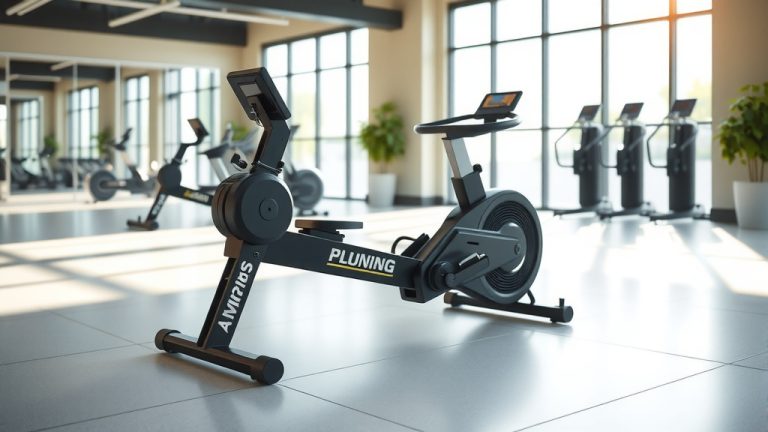
What Does Rowing Machine Do For You?
A rowing machine provides an incredible full-body workout, engaging up to 86% of your muscles to build strength and boost cardiovascular fitness. It helps you burn a significant number of calories while offering a low-impact exercise option.
Using a rowing machine consistently can strengthen your heart, sculpt your muscles, and improve overall endurance without harsh impact on your joints. It’s a smart choice for diverse fitness goals.
Here’s the quick scoop on what a rowing machine can do for you:
- Offers a full-body workout, targeting nearly all major muscle groups.
- Boosts cardiovascular health and endurance significantly.
- Builds muscle strength in your legs, core, and upper body.
- Is a low-impact exercise, gentler on your joints.
- Helps with effective calorie burning and weight management.
What Does Rowing Machine Do For You?
A rowing machine acts as a complete gym in one piece of equipment, delivering a powerful blend of cardio and strength training. We found that it truly offers a comprehensive fitness solution for almost everyone.
The Full-Body Powerhouse
Have you ever wondered if one exercise could work almost your entire body? Rowing does exactly that. It’s a remarkable movement that engages muscles from your toes to your fingertips in a coordinated effort (American Council on Exercise).
Legs of Steel
Your legs initiate the powerful drive in rowing. You’ll feel your quadriceps, hamstrings, and glutes working hard with each stroke. This constant engagement helps you build strong, sculpted legs effectively.
Core Strength Unlocked
Maintaining proper posture during rowing requires serious core engagement. Your abdominals and back muscles stabilize your body throughout the motion. Many experts say this leads to a firmer, more resilient core over time.
Upper Body Definition
The pull phase of rowing activates your back, shoulders, and arms. You’ll work your lats, rhomboids, biceps, and triceps, creating a balanced and defined upper body physique. It’s not just about leg drive.
Heart Health Hero
Rowing is a fantastic aerobic exercise, pushing your heart and lungs to work efficiently. Consistent sessions significantly improve your cardiovascular endurance. Think of it like a steady, gentle way to strengthen your heart muscle (Mayo Clinic).
Gentle on Joints, Tough on Calories
One of the biggest advantages of rowing is its joint-friendly nature. This makes it suitable for a wide range of individuals, including those recovering from injuries or older adults. Plus, it torches calories!
Low-Impact Comfort
Unlike running, rowing keeps your feet planted, minimizing impact on your knees, hips, and ankles. This means you can get an intense workout without the harsh pounding. It’s like floating on water while you exercise.
Calorie Burning Potential
Because it uses so many muscle groups simultaneously, rowing is a superb calorie burner. A vigorous rowing session can help you shed calories quickly and effectively. This makes it excellent for weight management goals.
Beyond Physical Benefits
The benefits of using a rowing machine extend beyond just muscle and cardio. It also plays a role in your mental well-being and daily functional movement.
Stress Reduction
The rhythmic motion of rowing can be quite meditative and relaxing. Focusing on your stroke can help you clear your mind and reduce daily stress levels. It’s a great way to unwind after a long day.
Posture Improvement
Strong back and core muscles, developed through rowing, are key for good posture. Regular rowing can help counteract the slouching that comes from sitting at a desk. We found many users report standing taller and feeling more aligned.
Choosing Your Rowing Machine
With different types of resistance, how do you pick the right one? Here’s a quick look at the main options to help you decide what suits you best.
| Resistance Type | Feel & Sound | Pros | Cons |
|---|---|---|---|
| Air Rower | Smooth, fan-like sound | Realistic feel, affordable | Can be noisy |
| Water Rower | Smooth, “whoosh” of water | Very realistic, quiet | Generally more expensive |
| Magnetic Rower | Quiet, consistent | Very quiet, compact | Less “natural” feel |
Getting Started: A Quick Checklist
Ready to try rowing? It’s easier to start than you might think. Here’s a simple checklist to help you begin your journey:
- Watch a tutorial for proper form (NIH often promotes exercise safety).
- Start with short, manageable sessions (5-10 minutes).
- Focus on your leg drive first, then your core, then your arms.
- Wear comfortable athletic clothing and shoes.
- Remember to stay hydrated before, during, and after your workout.
- Listen to your body and rest when needed.
Conclusion
A rowing machine is a phenomenal tool for building a stronger, healthier you. It offers a complete, low-impact workout that benefits your muscles, heart, and mind. Whether you’re aiming for weight loss, muscle gain, or simply better overall health, rowing delivers. Give it a try; your body will thank you for it.
What muscles does a rowing machine primarily target?
A rowing machine targets a vast array of muscles, including your quadriceps, hamstrings, glutes, core (abdominals and lower back), lats, rhomboids, biceps, and triceps. It’s a true full-body engagement.
Is rowing a good exercise for weight loss?
Yes, rowing is an excellent exercise for weight loss. It’s a high-calorie-burning activity because it uses so many major muscle groups simultaneously, leading to efficient energy expenditure and fat reduction.
Is a rowing machine suitable for beginners?
Absolutely! Rowing is very beginner-friendly. Its low-impact nature and ability to control resistance make it accessible. Starting with proper form and shorter sessions helps you build endurance and technique safely.
How often should I use a rowing machine for best results?
For best results, aim for 3-5 rowing sessions per week. You can vary the intensity and duration, perhaps doing 20-30 minutes for moderate cardio or shorter, more intense interval training. Consistency is key.
Can rowing improve my posture?
Yes, rowing can significantly improve your posture. By strengthening your core muscles, particularly your back and abdominals, it helps support your spine and encourages better alignment, counteracting common slouching habits.