What Part Of Body Does Rowing Machine Work?
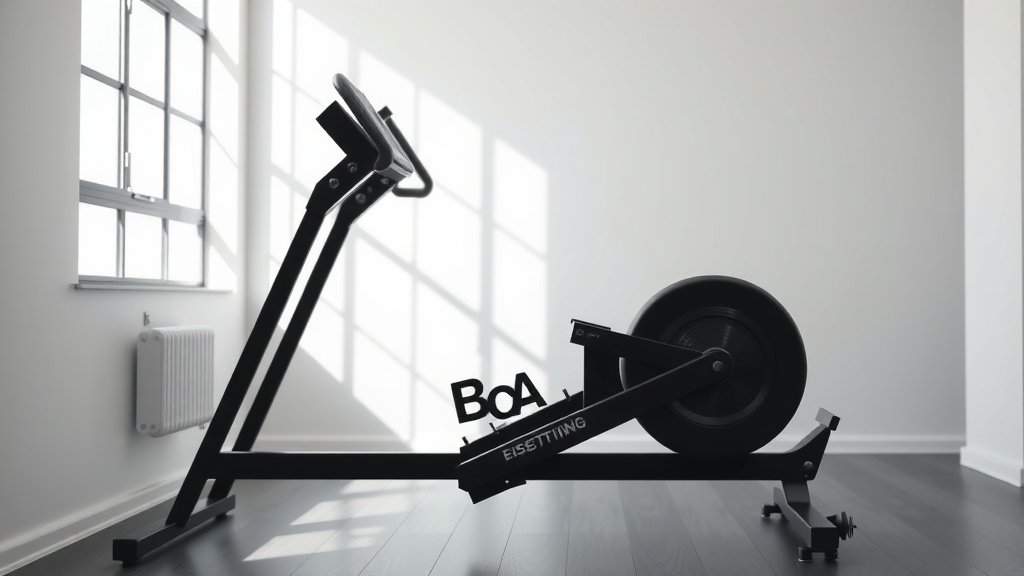
A rowing machine works nearly every major muscle group in your body, offering a comprehensive, full-body workout. It engages your legs, core, and upper body in a smooth, rhythmic motion.
You can expect a significant workout for your glutes, hamstrings, quads, back, shoulders, arms, and core with each stroke on a rowing machine.
Here’s a quick overview of what a rowing machine brings to your fitness routine:
- It’s a true full-body workout, engaging about 85% of your muscles.
- Expect a strong focus on your legs, using about 60% of the effort.
- Your core muscles are key for stability and power transfer.
- The upper body pulls the handle, working your back, shoulders, and arms.
- It offers excellent cardiovascular conditioning too.
What Part Of Body Does Rowing Machine Work?
A rowing machine is often called a full-body workout for good reason. It blends strength and cardio for a complete fitness session.
The Powerhouse: Your Legs
When you push off the foot stretcher, your legs do most of the work. Many experts say your legs provide around 60% of the power in a rowing stroke. This makes rowing an amazing lower body exercise (Mayo Clinic).
Quads and Glutes
As you drive back from the starting position, your quadriceps muscles at the front of your thighs work hard. They extend your knees with power. Your glutes, or butt muscles, also activate strongly. They help extend your hips and push you backward.
Hamstrings and Calves
Once you finish the drive, your hamstrings at the back of your thighs engage. They help control the recovery phase. Your calf muscles also get a workout. They help you push off the footplate with each stroke.
The Core Connection
Your core is the bridge between your upper and lower body. A strong core is important for transferring power efficiently. It keeps your back safe too.
Abs and Obliques
Throughout the stroke, your abdominal muscles (abs) and obliques work to stabilize your torso. They help you maintain an upright posture. This engagement can lead to a stronger, more defined midsection over time.
Lower Back Strength
Your lower back muscles are active as you lean back slightly at the end of the drive. They support your spine. Proper form is important here to avoid strain and to build functional strength in this area (NIH).
Upper Body Engagement
While the legs start the movement, your upper body finishes the stroke. It brings the handle towards your body. You’re not just pulling with your arms, but with larger back muscles.
Your Back Muscles
The biggest muscle group in your upper body for rowing is your back. Your lats, rhomboids, and traps all contribute. They help pull the handle towards your chest. This creates a powerful pulling motion.
Shoulders and Arms
Your shoulders, specifically your deltoids, and your biceps and triceps work too. They stabilize the shoulder joint and help bend your elbows. You will feel a good burn in your arms with consistent rowing.
More Than Just Muscles: Cardiovascular Benefits
Beyond building muscle, rowing is an exceptional cardio workout. It gets your heart rate up and improves lung capacity. Research has found that regular cardio exercise supports overall heart health (CDC).
Think of it as a double win: you strengthen muscles and boost your endurance. This makes it a very efficient use of your exercise time.
Mastering the Stroke: Why Form Matters
Good form ensures you work the right muscles and avoid injury. We found that breaking the stroke into phases helps. You start with the drive, then the finish, and finally the recovery.
Imagine your stroke as a smooth, continuous cycle. Focus on legs, then core, then arms for the drive. Reverse for the recovery: arms, then core, then legs. This sequence maximizes efficiency.
The Drive Phase Explained
Start with a strong leg push. Your legs do most of the work here. Then, swing your torso back from your hips. Finally, pull the handle with your arms. This sequence is key for power.
The Recovery Phase Explained
Extend your arms first, away from your body. Next, pivot your torso forward from your hips. Finally, bend your knees to slide forward. This organized return saves energy.
Common Mistakes to Avoid
Many new rowers make a few simple mistakes. Avoiding them helps you get a better workout and reduces injury risk. We often see people pull with their arms too early.
Here’s a quick checklist to help you stay on track:
- Don’t pull with arms first. Let your legs lead the drive.
- Avoid slouching. Keep your back straight and core engaged.
- Don’t lean back too far. A slight lean is fine, but not extreme.
- Keep a smooth rhythm. Don’t rush the recovery phase.
- Set resistance correctly. Higher isn’t always better for beginners.
Who Can Benefit from Rowing?
Rowing is a low-impact exercise, which means it’s gentle on your joints. This makes it suitable for many different people. You can get a great workout without pounding your knees or hips.
Whether you’re looking for cardio, strength, or rehabilitation, rowing can fit. We find it’s great for those who want a joint-friendly way to stay fit.
Muscle Groups Targeted by Rowing
Let’s look at the primary muscle groups you engage. This table shows where you’ll feel the work most.
| Body Region | Primary Muscles Engaged | Role in Rowing Stroke |
|---|---|---|
| Legs | Quadriceps, Hamstrings, Glutes, Calves | Powerful push-off (drive phase) |
| Core | Rectus Abdominis, Obliques, Erector Spinae | Stabilizes torso, transfers power |
| Back | Latissimus Dorsi, Rhomboids, Trapezius | Pulls handle to body (finish phase) |
| Arms & Shoulders | Biceps, Triceps, Deltoids | Assists pull, stabilizes upper body |
Conclusion
The rowing machine truly offers a full-body experience. It engages your legs, core, and upper body in a fluid, effective motion. This means you are strengthening muscles and boosting your cardiovascular health all at once. By focusing on proper technique, you can maximize your workout and prevent injuries. So, whether you’re new to fitness or an experienced athlete, rowing can be a fantastic addition to your routine. Give it a try and feel the benefits across your entire body.
What is the ideal rowing stroke rate?
Many experts suggest a stroke rate between 20-30 strokes per minute for a good workout. A lower rate, around 20-24, often means a more powerful and controlled stroke. Faster rates, like 26-30+, are great for interval training. Focus on power and consistency over just speed.
Can rowing help with weight loss?
Yes, rowing can be very effective for weight loss. It burns a lot of calories because it uses so many muscle groups simultaneously. When combined with a balanced diet, consistent rowing helps create a calorie deficit. This supports weight loss goals.
Is rowing bad for your back?
No, when done correctly, rowing is generally good for your back. It strengthens your core and back muscles, which can improve posture. However, poor form, especially hunching or pulling too hard with the back, can cause strain. Always prioritize proper technique.
How often should I use a rowing machine?
The ideal frequency depends on your fitness level and goals. For general fitness, we found that 3-5 times a week for 20-45 minutes per session is a good target. Beginners might start with shorter sessions and gradually increase duration and intensity.
Do you need special shoes for rowing?
No, you don’t need special rowing shoes. Any comfortable athletic shoe with a relatively flat, stable sole will work well. Avoid bulky running shoes if they make it hard to keep your feet flat on the foot stretchers. Simple training shoes or cross-trainers are usually perfect.