What Rowing Machine Should I Get?
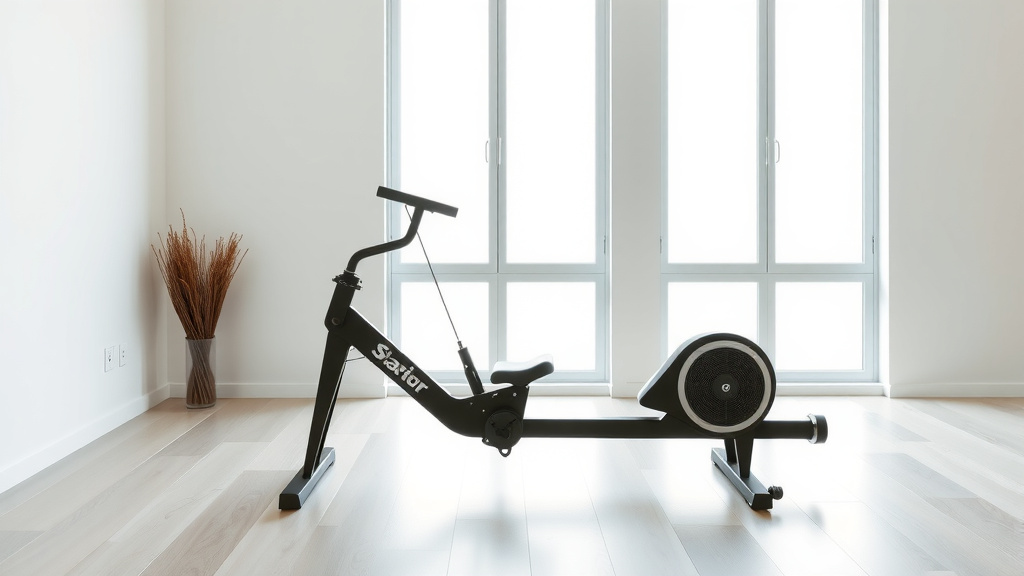
To choose the best rowing machine, prioritize your budget, available space, noise tolerance, and personal fitness goals.
We found that air or magnetic rowers offer a balanced experience, providing excellent value and versatile workouts for most home users.
- Air or magnetic rowers are ideal for all-around fitness.
- Water rowers offer an authentic feel, often with a higher price tag.
- Hydraulic piston rowers are compact and very affordable.
- Always check for comfort, monitor features, and easy storage.
What Rowing Machine Should I Get?
The right rowing machine aligns with your fitness goals and home environment.
Consider resistance type, budget, and available space for your best fit.
Understanding Rowing Machine Resistance Types
The resistance mechanism is key. It dictates your workout feel and performance.
Let’s explore types, like choosing different car engines for unique drives.
Air Resistance Rowers: The Classic Choice
Air rowers use a fan. More pull means more resistance, great for variable intensity workouts (Cleveland Clinic).
Popular in gyms, they offer a smooth pull. Expect a distinctive “whoosh” sound.
Magnetic Resistance Rowers: Quiet and Smooth
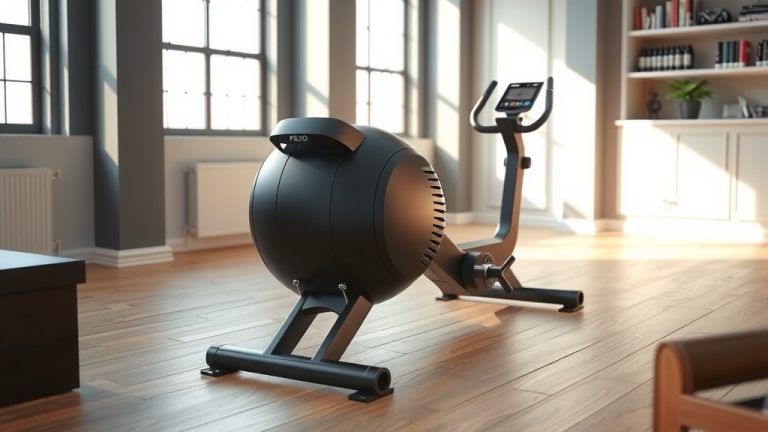
Magnetic rowers use magnets over a flywheel. Adjust resistance digitally or with a lever.
They are exceptionally quiet with a smooth stroke. Perfect for apartments.
Water Resistance Rowers: Authentic Feel
Water rowers spin paddles in a tank. This mimics actual on-water rowing for a natural feel.
Resistance adjusts automatically, with a pleasing, meditative “sloshing” sound.
Hydraulic Piston Rowers: Compact and Affordable
Hydraulic rowers use pistons for resistance. They are the most compact and budget-friendly option.
Smaller, they might offer less full-body engagement (NIH). Great for small spaces.
| Resistance Type | Feel | Noise Level | Price Range | Space |
|---|---|---|---|---|
| Air | Natural, variable | Moderate-Loud | Mid-High | Larger |
| Magnetic | Smooth, consistent | Quiet | Mid | Compact options |
| Water | Most authentic | Moderate “slosh” | High | Larger, often stylish |
| Hydraulic | Less natural, fixed arm path | Quiet | Low | Very compact |
Key Factors When Choosing Your Rower
Beyond resistance, practical considerations are vital. Think of these as your personal checklist.
Your Budget: What Can You Afford?
Rower prices vary. Basic models are affordable, high-end can be expensive.
Set a realistic budget. Investing in health offers long-term rewards.
Available Space: Where Will It Live?
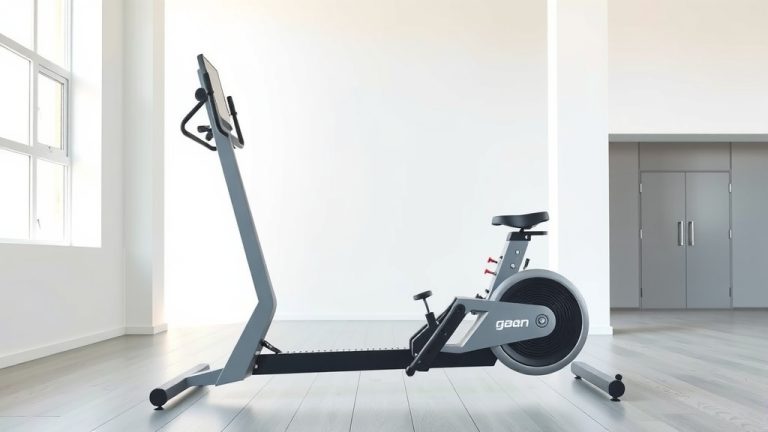
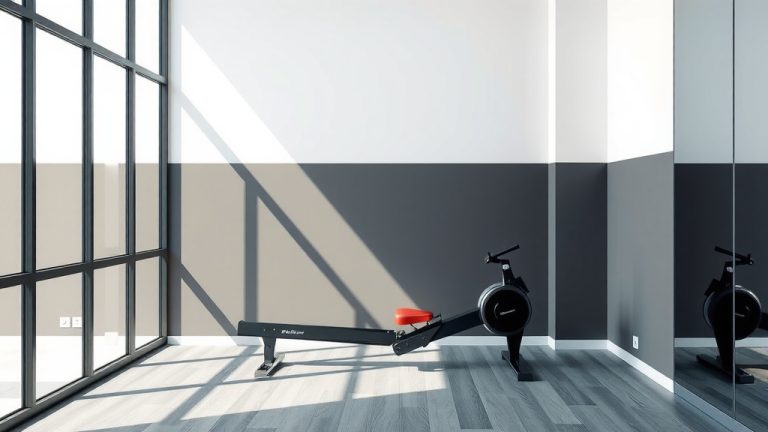
Rowers need space (7-8ft long). Some fold or stand for storage.
Measure your area. A folding design is crucial for smaller homes.
Noise Level: Keep the Peace
Workout times matter. Noise can be a big factor for others.
Magnetic and hydraulic rowers are quietest. Air whooshes, water sloshes gently.
Your Fitness Goals: What Do You Want to Achieve?
Endurance, strength, or cardio? Your goals dictate the best machine.
For serious training, air or water rowers simulate best. Any type works for casual fitness.
Essential Features to Look For
Consider these features after choosing a type. Small details enhance your experience.
The Monitor: Your Workout Dashboard
A good monitor tracks strokes, distance, time, calories. Some offer heart rate and workouts.
A clear, readable display is paramount. See your progress at a glance.
Comfort and Ergonomics
Check seat, handle, and footrests. They should feel comfortable and not cause strain.
Adjustable footrests are a plus. A smooth sliding rail ensures fluid workouts.
Build Quality and Durability
A rower is an investment. Look for sturdy materials like steel or aluminum (Mayo Clinic).
Higher weight capacity often means a more robust machine. Check reviews for longevity.
Portability and Storage
Can you move it easily? Does it have transport wheels? Can it fold or stand?
These are vital for home users needing to reclaim floor space.
Your Rowing Machine Checklist
Review these questions before buying. They ensure the best fit for your home and fitness.
- Is the resistance type right for my goals and noise tolerance?
- Does it fit my budget?
- Do I have enough space, or does it fold compactly?
- Is the monitor functional and easy to read?
- Are the seat, handle, and footrests comfortable?
- Does it feel sturdy for long-term use?
Common Mistakes to Avoid (and Smart Tips!)
Choosing a rower is a big decision. Avoid these pitfalls for a machine you’ll love.
- Don’t ignore reviews: User feedback reveals hidden quirks or benefits.
- Try before you buy: A test row confirms comfort and feel.
- Consider maintenance: Factor in upkeep for water or air models.
- Don’t chase the lowest price: Quality often justifies a slightly higher upfront cost.
- Think about future goals: A basic model might become limiting later.
Your best rowing machine is simply the one you’ll use consistently, right?
Conclusion
Choosing your rowing machine blends fitness goals with home practicalities.
Weigh resistance, budget, space, and features. You’ll confidently pick a powerful wellness ally. Invest wisely in your health for lasting rewards.
What is the best type of resistance for a beginner?
Many experts suggest magnetic resistance: quiet, smooth, adjustable. Air rowers are also excellent for learning proper form.
How much space do I need for a rowing machine?
Most rowers need 7-8 feet long, 2-3 feet wide. For tight spaces, seek models that fold or stand upright for storage.
Are expensive rowing machines always better?
Not always. Pricier models often have advanced features. But a mid-range machine can offer an excellent workout. Prioritize features important to you.
Can I get a full-body workout from a rowing machine?
Yes! Rowing is a full-body exercise, engaging about 85% of muscles. It works legs, core, back, and arms, efficient for cardio and strength (Harvard Health).
How often should I use my rowing machine?
For general fitness, aim for 3-5 sessions weekly, 20-30 minutes each. Increase intensity as stamina improves. Always include rest days.