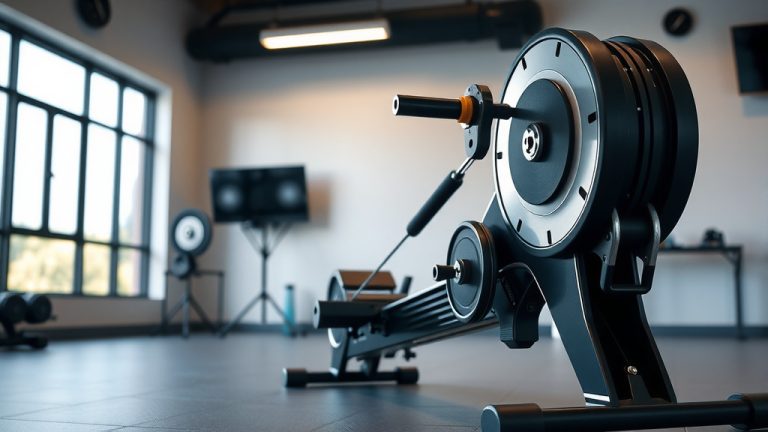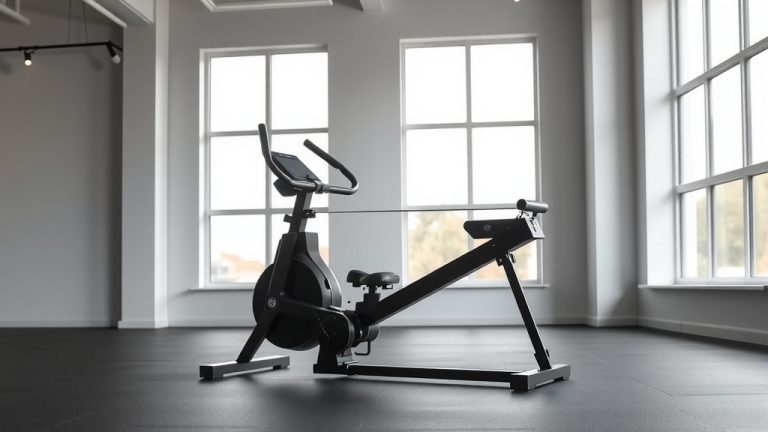
Is Rowing Machine Weight Bearing?
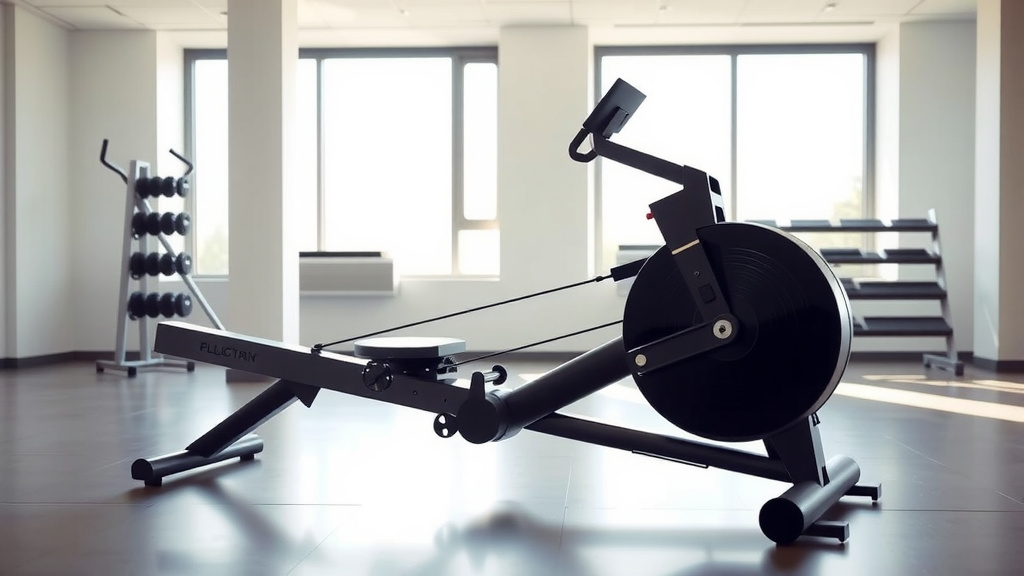
No, a rowing machine is generally not classified as a weight-bearing exercise because it supports your body weight during the movement. You remain seated, significantly reducing direct impact on your bones and joints.
Rowing machines provide a low-impact, full-body workout that is excellent for cardiovascular health, muscle strengthening, and calorie burn without the pounding stress seen in exercises like running.
- The rowing machine is largely a non-weight-bearing activity, meaning your body weight is supported.
- This makes it a gentle option for your joints, suitable for many fitness levels.
- You can still achieve a powerful, full-body workout, engaging major muscle groups.
- It’s fantastic for cardiovascular fitness and strength building without high impact.
- Rowing offers a safe and effective way to exercise, even if you have joint concerns.
Is Rowing Machine Weight Bearing?
No, a rowing machine is generally not classified as a weight-bearing exercise because it supports your body weight during the movement. You remain seated, reducing direct impact on your bones and joints.
What Exactly is Weight-Bearing?
When we talk about “weight-bearing” exercise, we’re usually referring to activities where you support your own body weight against gravity. Think about standing, walking, running, or lifting weights while on your feet. These actions apply direct force to your bones and joints, helping to strengthen bone density over time (National Osteoporosis Foundation).
Standing Strong vs. Sitting Supported
Many experts say that traditional weight-bearing exercise is crucial for bone health. It’s about challenging your skeletal system. But what if you’re looking for something different, or need a gentler approach? That’s where rowing comes in, offering a unique benefit.
The Mechanics of Rowing: Low-Impact Support
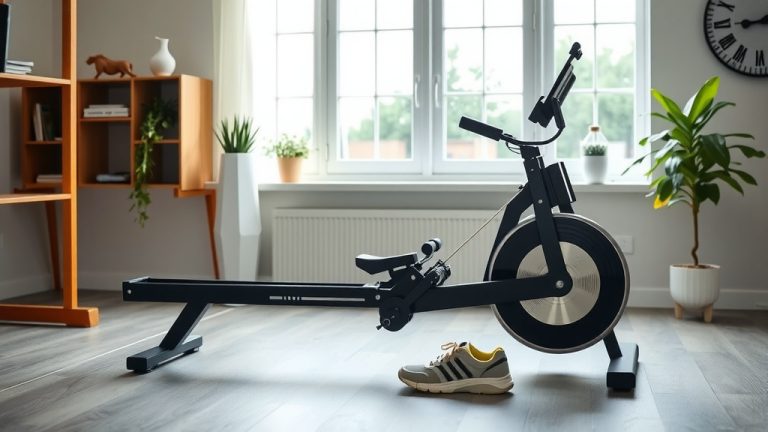
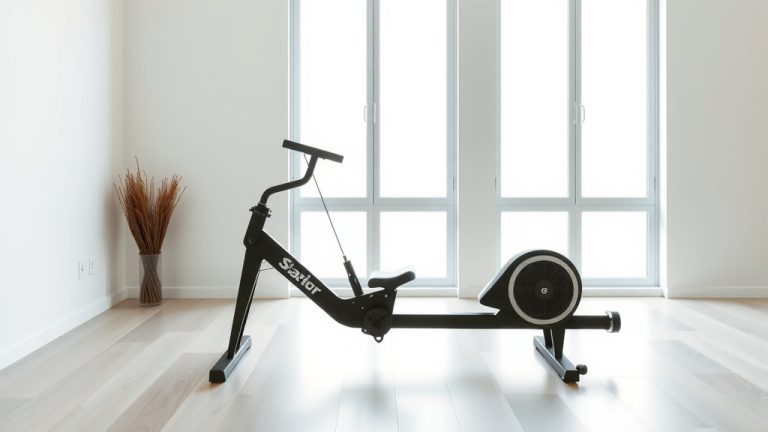
On a rowing machine, you sit on a sliding seat, and your feet are strapped into footrests. This setup means your body weight is largely supported by the machine itself, not directly by your bones and joints. You aren’t standing upright or absorbing repeated ground impact.
How Rowing Protects Your Body
Because you’re seated, the rowing motion involves a fluid, controlled movement. This greatly reduces the stress that might otherwise fall on your knees, hips, and ankles. It’s why rowing is often recommended for people seeking a joint-friendly workout (Mayo Clinic).
Why Low-Impact Exercise Matters for You
Low-impact activities, like rowing, offer a fantastic way to stay active without excessive stress on your body. This can be a game-changer if you’re recovering from an injury, managing joint pain, or simply want to protect your body long-term. We found many people find this very comforting.
- Reduced joint stress: Ideal if you have arthritis, knee issues, or are prone to impact injuries.
- Full-body engagement: Works your legs, core, back, and arms all at once.
- Cardiovascular fitness: Great for your heart and lungs, boosting endurance.
- Strength building: Develops muscular strength across many major muscle groups.
- Accessible workout: Suitable for a wide range of fitness levels and ages.
Beyond Just Avoiding Impact
Low-impact doesn’t mean low-effort! You can still get an incredibly challenging workout on a rowing machine. You control the intensity, making it as easy or as hard as you like, all while keeping your joints happy. It’s about working smarter, not necessarily harder on your joints.
Rowing Compared to Other Exercises
To truly grasp how rowing fits in, let’s look at how it stacks up against some other popular exercises. You’ll quickly see its unique position in the fitness world.
| Exercise Type | Weight-Bearing Level | Primary Impact | Joint-Friendly? |
|---|---|---|---|
| Running | High | High (on ankles, knees, hips) | No, can be tough |
| Cycling | Low | Low (on knees) | Yes, generally |
| Swimming | None | None | Yes, very |
| Weightlifting (standing) | High | Variable (depends on lift) | Can be, with good form |
| Rowing | Low | Low (on back if form is poor) | Yes, very (with good form) |
When Low-Impact is Your Best Choice
If you’re dealing with conditions like osteoarthritis, osteoporosis, or even just knee niggles, activities with less impact often lead to better adherence and fewer setbacks. Many rehabilitation programs include rowing for this exact reason (American Council on Exercise).
Can You Still Build Bone Density with Rowing?
While rowing isn’t directly weight-bearing, it can still contribute to bone health indirectly. The strong muscular contractions involved in rowing apply tension to your bones. This muscle pull can stimulate bone cells, encouraging them to strengthen. It’s a bit like an indirect, but still helpful, conversation with your bones!
Mastering Your Rowing Form
Good form is absolutely vital on a rowing machine. It ensures you’re working the right muscles, getting the most from your workout, and most importantly, protecting your body from strain. Bad form can negate the low-impact benefit, particularly for your back.
Essential Form Checklist for Rowers
Let’s make sure you’re getting the most out of every stroke. Proper technique ensures a safe and effective workout.
- Start with the “catch”: Shins vertical, arms straight, core engaged.
- Drive with your legs: Push powerfully back, extending your legs first.
- Engage your core: Lean back slightly from the hips, not your waist.
- Pull with your arms: Finish the stroke by drawing the handle to your lower ribs.
- Return to the start: Extend arms, then hinge forward, then bend knees.
- Keep it smooth: Aim for a fluid, continuous motion, not jerky movements.
Making Your Rowing Routine Dynamic
Even though rowing is low-impact, you can make your workouts incredibly dynamic and challenging. Play with resistance settings, vary your stroke rate, and incorporate interval training. This keeps your body guessing and your motivation high!
Adding Resistance for More Challenge
Most rowing machines allow you to adjust the resistance. Increasing this will make your muscles work harder, which can further help with strength and bone stimulus. Think of it as adding a gentle, consistent challenge to your muscles and your whole body.
Conclusion
So, is a rowing machine weight-bearing? Not in the traditional sense, but that’s precisely why it’s such a valuable piece of equipment. It offers a powerful, full-body workout that builds strength, boosts cardiovascular fitness, and burns calories, all while being incredibly kind to your joints. Whether you’re a seasoned athlete, recovering from injury, or just starting your fitness journey, rowing provides a supportive and effective path to a stronger, healthier you. Your body will thank you for choosing an exercise that delivers big results with low impact.
Is rowing considered impact exercise?
No, rowing is not considered an impact exercise. Since you remain seated throughout the movement, there is no direct impact or pounding on your joints like you would experience with activities such as running or jumping. It’s designed to be a smooth, gliding motion.
Can rowing machines help with osteoporosis?
While not a primary weight-bearing exercise for direct bone density like standing squats, rowing can contribute positively to bone health. The muscular contractions involved pull on your bones, which can stimulate bone growth indirectly. Always consult your doctor for specific advice on osteoporosis management.
Is a rowing machine better than a treadmill for joint health?
For joint health, a rowing machine is generally considered superior to a treadmill for most individuals. Treadmills involve high-impact running or walking, which places significant stress on the knees, hips, and ankles. Rowing, being low-impact, largely eliminates this strain while still providing an excellent cardio workout.
Does rowing work your whole body?
Yes, absolutely! Rowing is renowned as a full-body workout. It engages approximately 86% of your muscles across major groups, including your legs (quads, hamstrings, glutes), core (abs, lower back), upper body (lats, traps, biceps, triceps), and even your hands and forearms. It truly provides a comprehensive challenge.
Who should use a rowing machine?
A rowing machine is a fantastic choice for almost anyone! It’s especially good for individuals seeking a low-impact cardio and strength workout, people recovering from certain injuries, those with joint pain, older adults, or anyone wanting an efficient, full-body exercise. It’s highly adaptable to various fitness levels and goals.