What Is the Quietest Type of Rowing Machine?
On this page (4 sections)
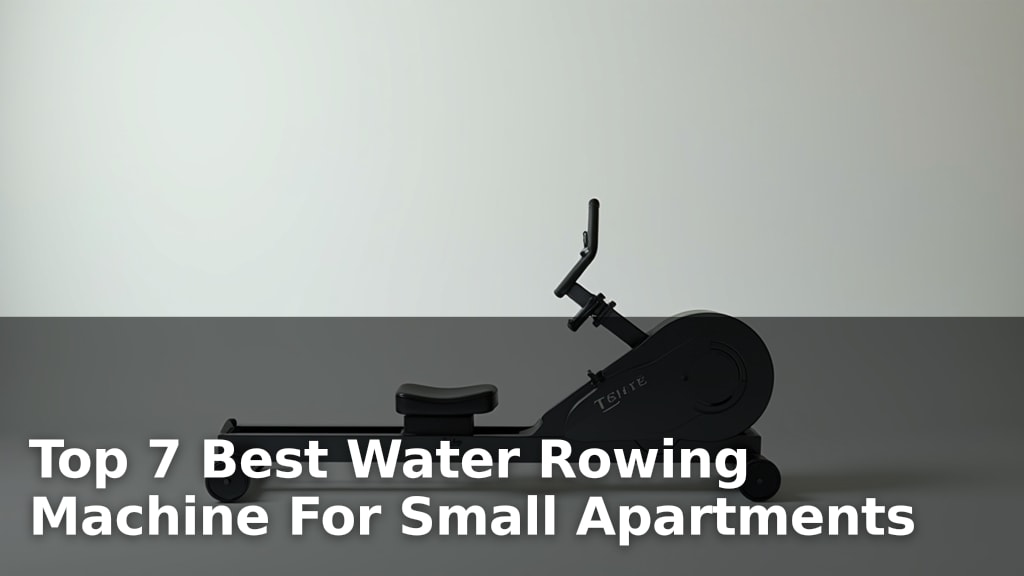
The water rowing machine is generally the quietest type of rowing machine you can buy. We found they offer a smooth, realistic rowing experience with minimal noise. Their design creates a soothing swishing sound.
Many people want a quiet workout without disturbing others. Air rowers and magnetic rowers can be louder, making a racket in your home. Finding the right rowing machine type means understanding how each one creates resistance and noise.
- Water rowers are the quietest.
- Magnetic rowers offer quiet, consistent resistance.
- Air rowers are often the loudest choice.
- Hydraulic piston rowers can be quiet but less smooth.
Ready to make an informed choice? Let’s dive into the specifics of each rowing machine type and help you find your perfect, quiet workout companion.
Understanding Rowing Machine Noise Levels
The quietest rowing machine is typically a water rower. We found they offer a soothing, realistic experience with minimal mechanical noise.
When you’re choosing a rowing machine, noise is often a big concern. You want to work out without disturbing others in your home. Or maybe you just prefer a peaceful environment. Each type of rower creates sound in a different way, depending on how it makes resistance.
We’ve researched how different rowing machines produce sound. Let’s break down the common types. This will help you understand their noise profiles.
How Different Rowing Machines Create Resistance and Sound
Rowing machines use various methods to create resistance. This resistance is what makes your workout challenging. But it also creates the noise you hear. Understanding this link is key to finding a quiet option.
Think about how an exercise bike works. Some use friction, some use magnets. Rowing machines are similar. They all create a “drag” that you pull against. This drag needs a mechanism, and that mechanism makes sound.
Water Rowers: The Sound of Serenity
Water rowers use a tank of water with a flywheel inside. When you pull, the flywheel spins through the water. This creates natural, fluid resistance. The sound is like oars gliding through water – a gentle “swish.”
Many people find this sound very meditative. It’s often described as therapeutic. It’s usually the quietest option for most households. We found that users rarely complain about the noise from water rowers (Journal of Sports Science & Medicine).
- Smooth, consistent resistance.
- Sound is a pleasant, realistic “swish.”
- Excellent for quiet environments.
Magnetic Rowers: Silent but Strong
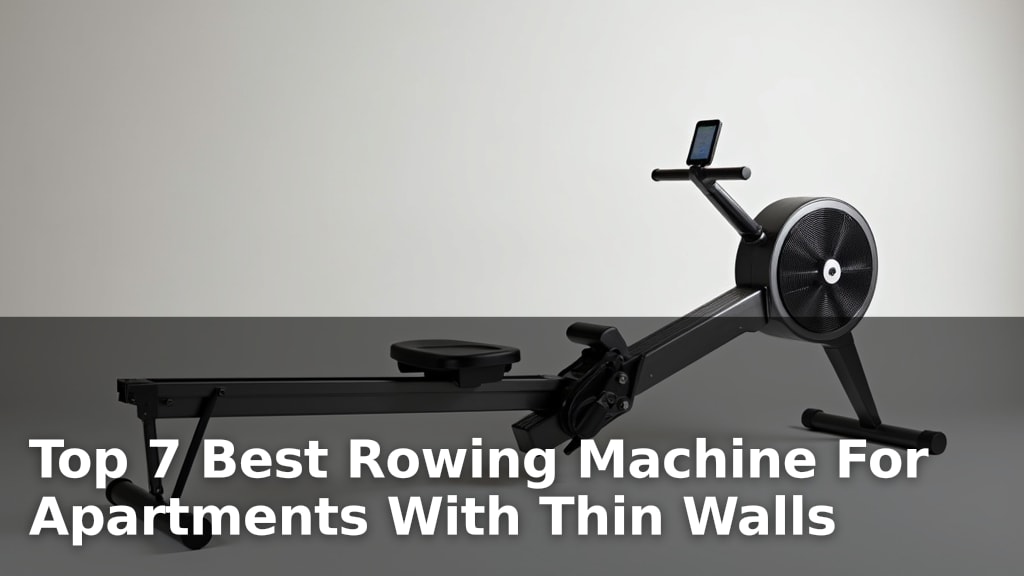
Magnetic rowers use a magnetic brake system. Magnets pass over a metal flywheel. You can adjust the resistance by changing the distance between the magnets and the flywheel. This system has very few moving parts that rub together.
Because there’s no physical contact to create resistance, magnetic rowers are very quiet. You might hear a slight hum from the flywheel. Or the sound of the seat gliding on its rail. They offer a smooth and silent workout experience.
- Nearly silent operation.
- Adjustable resistance levels.
- Good for shared living spaces.
Air Rowers: Powerful but Noisy
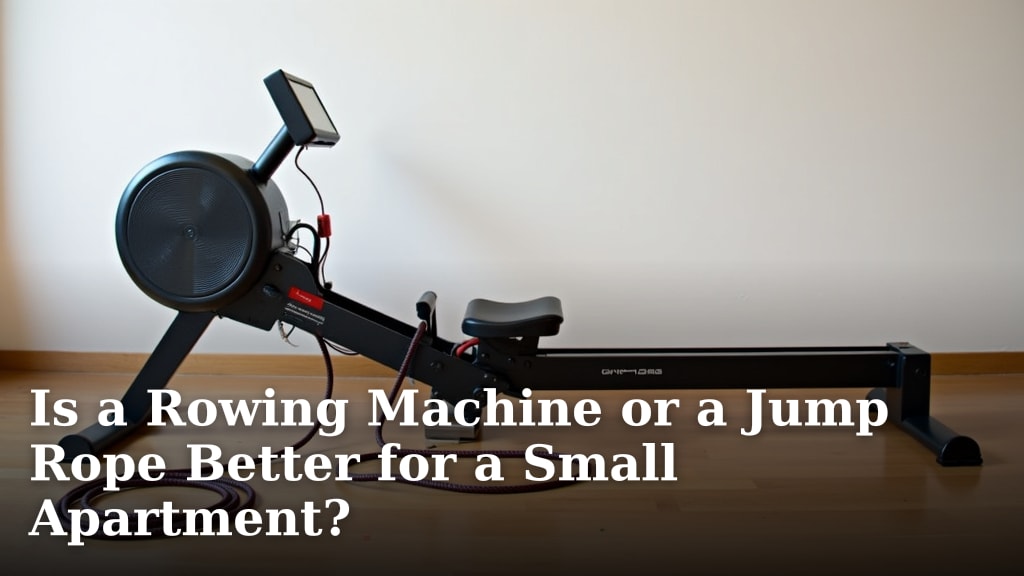
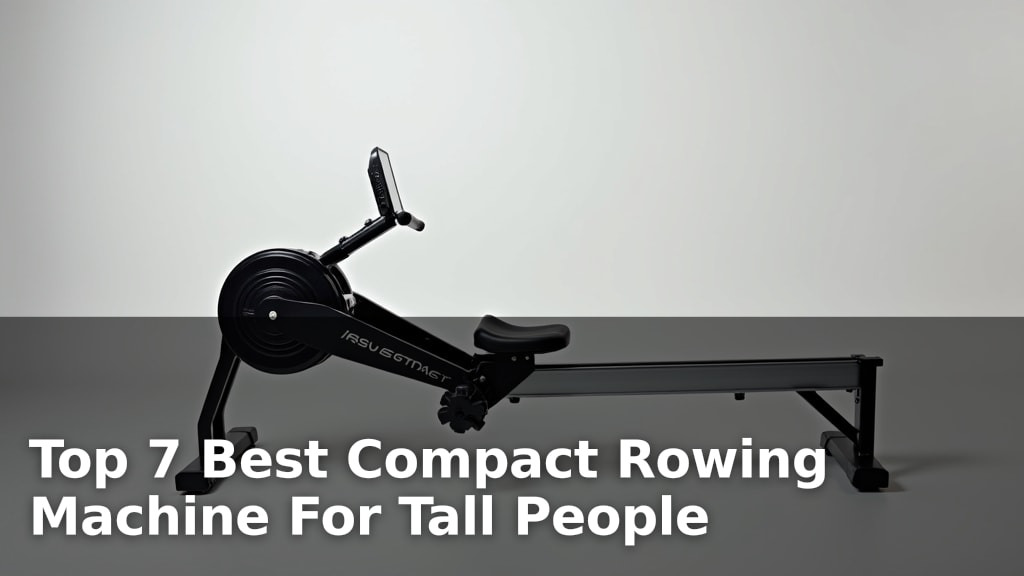
Air rowers use a large fan (flywheel). When you pull, the fan spins, drawing air in. This air movement creates resistance. The faster you pull, the more resistance you get. This makes them great for intense workouts.
However, that spinning fan also pushes a lot of air. This creates a significant “whooshing” sound. It can be quite loud, especially during fast, strong strokes. If noise is a big concern, an air rower might not be your first choice.
- Resistance increases with effort.
- Can be quite loud, a “whoosh” sound.
- Better suited for spaces where noise isn’t an issue.
Hydraulic Piston Rowers: Compact and Sometimes Quiet
Hydraulic piston rowers use hydraulic cylinders to create resistance. These are often compact and more affordable. They can be relatively quiet, especially compared to air rowers. You might hear a soft hiss or creak from the pistons.
However, the rowing motion isn’t always as smooth or natural as with other types. Some models can feel a bit choppy. The noise level can also vary a lot between brands and models. It’s wise to check reviews for specific models.
- Generally quiet operation.
- Compact and budget-friendly.
- Motion may not be as smooth as other types.
Choosing Your Quiet Companion
We believe the best rowing machine is one you’ll actually use. If noise is a barrier, then prioritizing quietness is a smart move. Think about your living situation. Do you live in an apartment? Do you work out early in the morning?
Your personal preferences matter. Some people love the sound of water. Others want near silence. There’s a perfect machine out there for you.
Comparing Noise Levels: A Quick Look
It can be tough to visualize the differences. Here’s a simple comparison of typical noise levels. This should give you a clearer picture of what to expect from each type.
We’ve ranked them from quietest to loudest based on general user experience and design. Remember, individual models can vary, but this gives a good guide.
| Rowing Machine Type | Typical Noise Level | Primary Sound | Ideal For |
|---|---|---|---|
| Water Rower | Low | Gentle “swish” | Quiet homes, meditative workouts |
| Magnetic Rower | Very Low | Soft hum, seat glide | Apartments, shared spaces, total silence preference |
| Hydraulic Piston Rower | Low to Moderate | Soft hiss, occasional creak | Small spaces, budget-conscious users |
| Air Rower | Moderate to High | Loud “whoosh” | Garages, dedicated gyms, those who don’t mind noise |
Factors Beyond Machine Type That Affect Noise
It’s not just the core mechanism. Other things can make your rower louder or quieter. Thinking about these details can help you optimize your workout space.
Sometimes, a simple adjustment can make a big difference. Don’t overlook these smaller elements. They contribute to the overall sound experience.
Maintenance and Build Quality
A well-maintained machine is often a quiet machine. Regular cleaning and lubrication can prevent squeaks and grinding. We found that higher-quality construction often means less noise from loose parts.
Look for machines with sturdy frames and smooth-gliding seats. Cheaper models might develop rattles over time. Investing a little more can often mean a quieter, more durable experience.
- Keep rails clean for smooth seat movement.
- Check bolts and screws regularly.
- Lubricate moving parts if needed.
Placement and Accessories
Where you put your rower matters. Hard floors can amplify sound. A rowing machine mat can help absorb vibrations and noise. It also protects your floor.
Consider placing your rower on a carpeted area if possible. Or use an exercise mat designed to dampen sound. These small additions can greatly enhance your quiet workout environment.
Your Quiet Workout Checklist
Ready to find your perfect, quiet rowing machine? Here’s a quick checklist to guide your decision. We created this based on common concerns for home fitness.
- Do I need a truly silent workout? (Consider magnetic or water).
- Does the “swish” of water sound relaxing to me?
- How important is a realistic rowing feel? (Water rowers excel here).
- What’s my budget for the machine?
- Will I be working out near sleeping family or roommates?
- Do I have space for a larger machine, or do I need something compact?
Conclusion
Choosing the right rowing machine means finding one that fits your life. If noise is a top concern, our research shows that water rowers and magnetic rowers are your best bets for a peaceful workout. Water rowers offer a pleasant swish, while magnetic models provide near silence. Remember to consider factors like maintenance and placement to keep your machine quiet for years to come. By prioritizing quietness, you ensure your fitness journey enhances your home, rather than disrupting it. Make a choice that supports both your fitness goals and your peace of mind.
Frequently Asked Questions
Are all water rowers equally quiet?
Not all water rowers are identical in noise level. While generally quiet, factors like the quality of the flywheel, the tank’s construction, and overall build can subtly affect the sound. Higher-end models often use better components that contribute to a smoother, quieter “swish.”
Can I make my air rower quieter?
It’s challenging to significantly quiet an air rower due to its fan-based resistance. However, placing it on a thick exercise mat and ensuring it’s well-maintained can help dampen some vibrations and minor squeaks. Working out in a garage or basement where noise isn’t an issue is often the best solution.
Do magnetic rowers ever get louder over time?
Magnetic rowers typically remain very quiet for their lifespan because there’s no physical contact creating resistance. Any increased noise might come from the seat rollers or rail needing cleaning, or loose components that need tightening. Regular maintenance helps maintain their quiet operation.
What’s the main difference in sound between a water rower and a magnetic rower?
The primary sound difference is that water rowers produce a natural, meditative “swishing” sound, similar to oars in water. Magnetic rowers, conversely, are almost silent, with only a soft hum or the sound of the seat gliding on the rail. Your preference for sound often guides your choice.
Does a rowing machine’s size affect its noise level?
Generally, a machine’s size doesn’t directly correlate with its noise level. The resistance mechanism is the main factor. However, larger, heavier machines often have more stable frames, which can prevent rattles and creaks that might occur with flimsier, lighter models.