Form and Beginner Basics
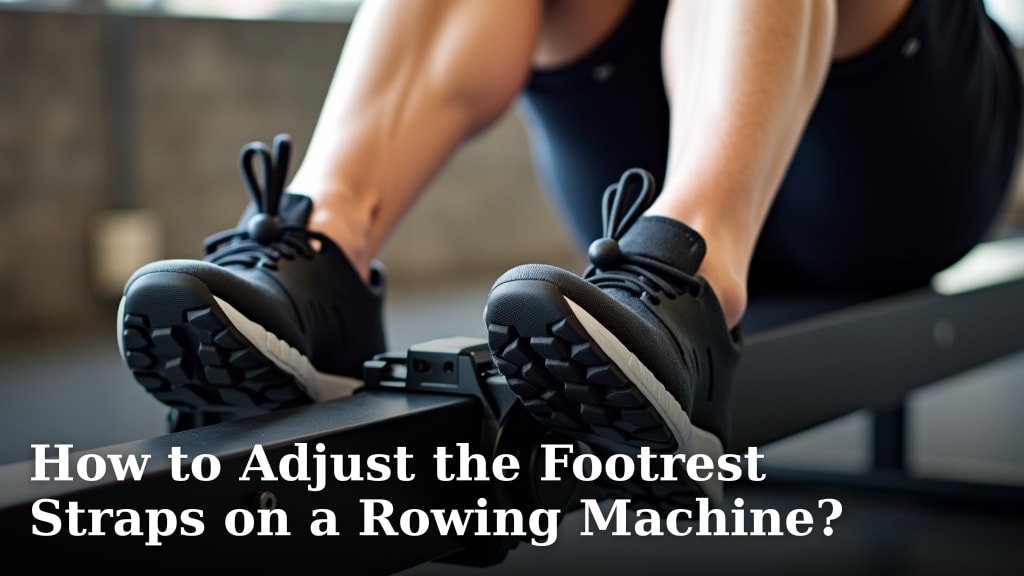
How to Adjust the Footrest Straps on a Rowing Machine?
Learn how to adjust rowing machine footrest straps for a secure and comfortable workout. Get a better connection and improve your performance.
Learn rowing form, machine controls, resistance settings, and beginner basics.
Learn how to adjust rowing machine footrest straps for a secure and comfortable workout. Get a better connection and improve your performance.
Unsure of damper settings? Discover what's considered a beginner friendly damper setting and how to achieve optimal comfort and efficiency.

What is the difference between rowing machine drag factor and resistance level? Learn what each setting measures and how the terms differ in use.
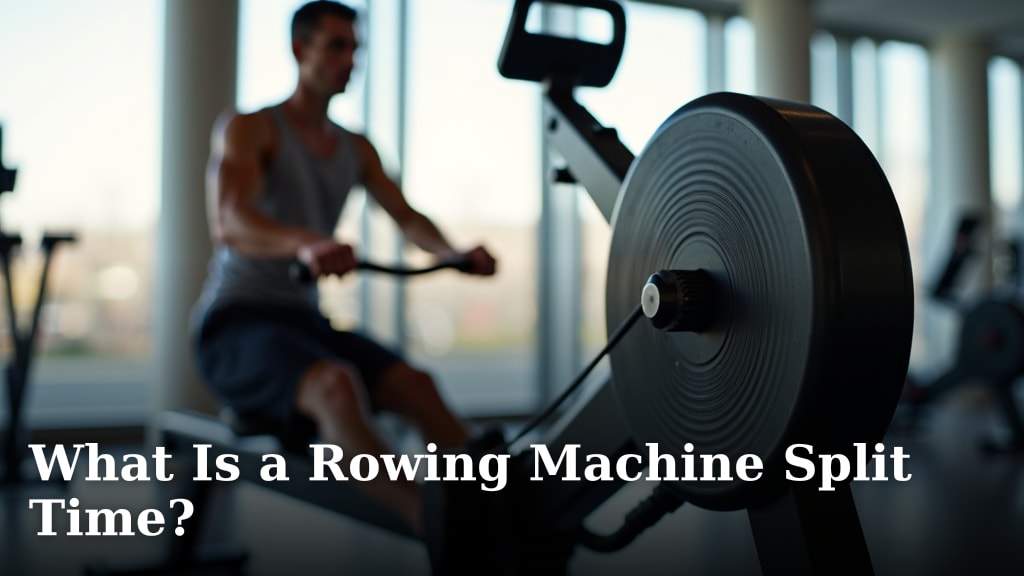
Understand your rowing machine split time to gauge performance and optimize your workouts for faster, more efficient rowing.

Unsure if you're fit enough for rowing? Discover the fitness level needed to start rowing and how to prepare effectively for this full-body workout.

What should beginners expect in their first week of rowing? Learn setup, stroke practice, pacing, and what to expect as you build comfort during early sessions.

Understand your rowing machine's drag factor to improve your workout. Learn what it is and how to use it for better performance.
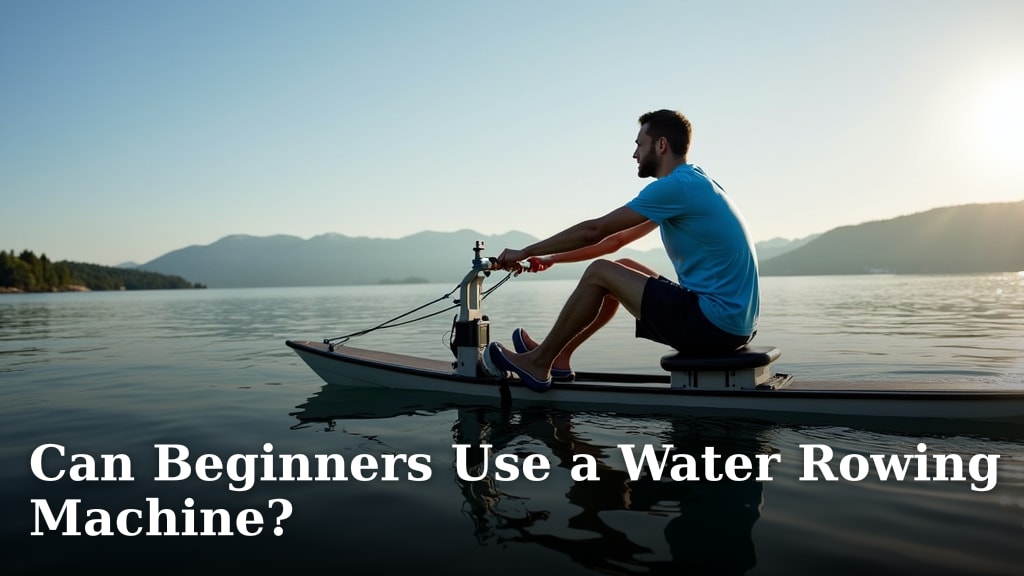
New to fitness? Discover if beginners can use a water rowing machine and learn how it can be a great, low-impact workout for you.

Discover what a rowing ergometer is and how this versatile machine can transform your fitness routine. Learn about its benefits and applications.

Learn what SPM in rowing means and how optimizing stroke rate can improve your boat speed and efficiency. Understand this key metric for better performance.
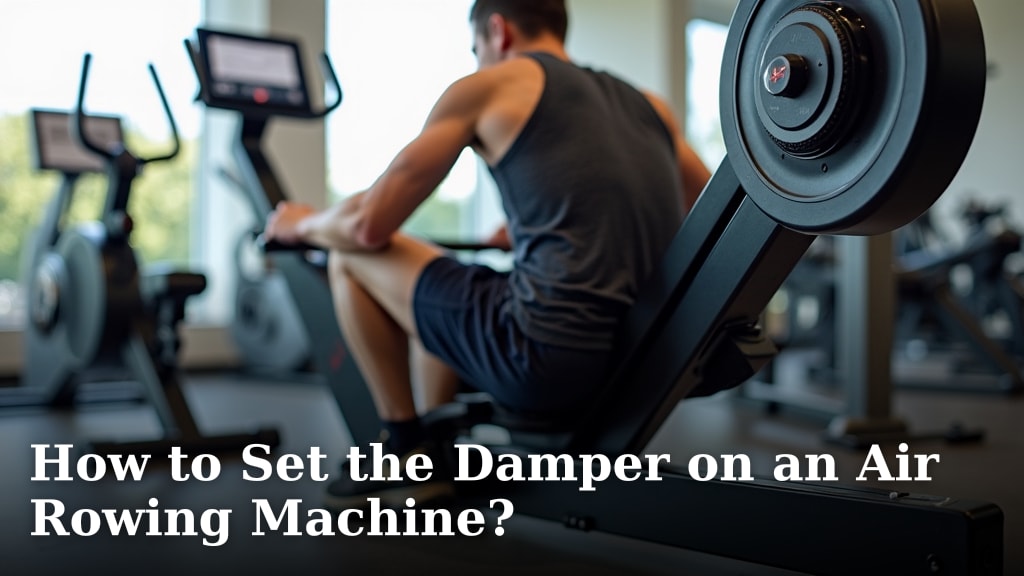
How to set the damper on an air rowing machine: Learn what the damper changes, how to choose a setting for your workout, and why higher is not always better.

How to breathe while rowing: Learn when to inhale and exhale through each stroke, how to keep a steady rhythm, and ways to practice without losing good form.
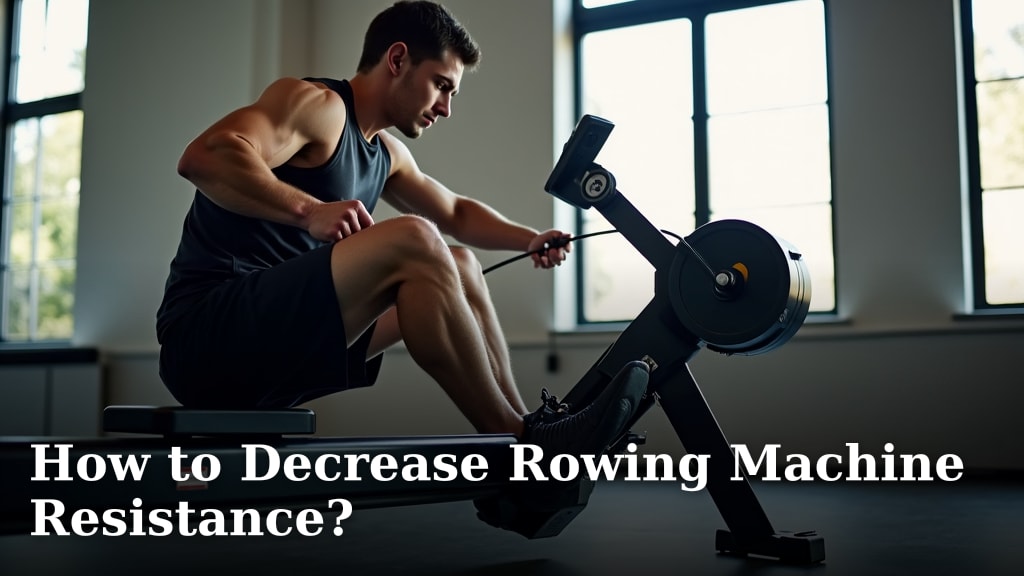
The easiest way to decrease rowing machine resistance is to lower the tension setting using Adjusting Resistance on Your Rower: Finding the Right Setting The

Starting to row? Learn what beginners should avoid to prevent injury and wasted effort. Master proper technique from the start for a smooth journey.
Rowing without a monitor is possible! Discover how to train effectively, track progress, and maximize your workout experience without the screen.
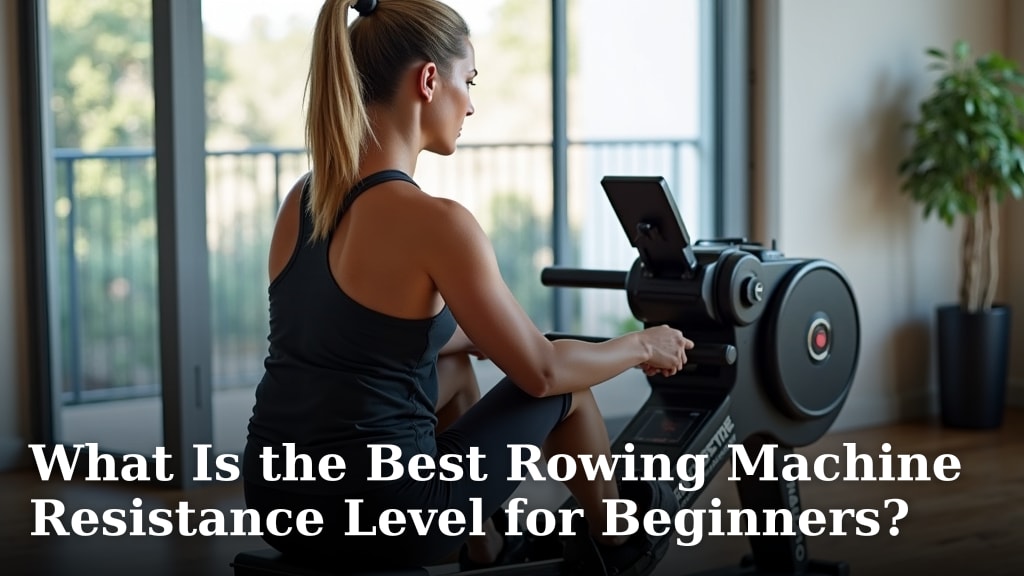
Confused about rowing machine resistance? Discover the best resistance level for beginners to start strong, build technique, and maximize your workout.
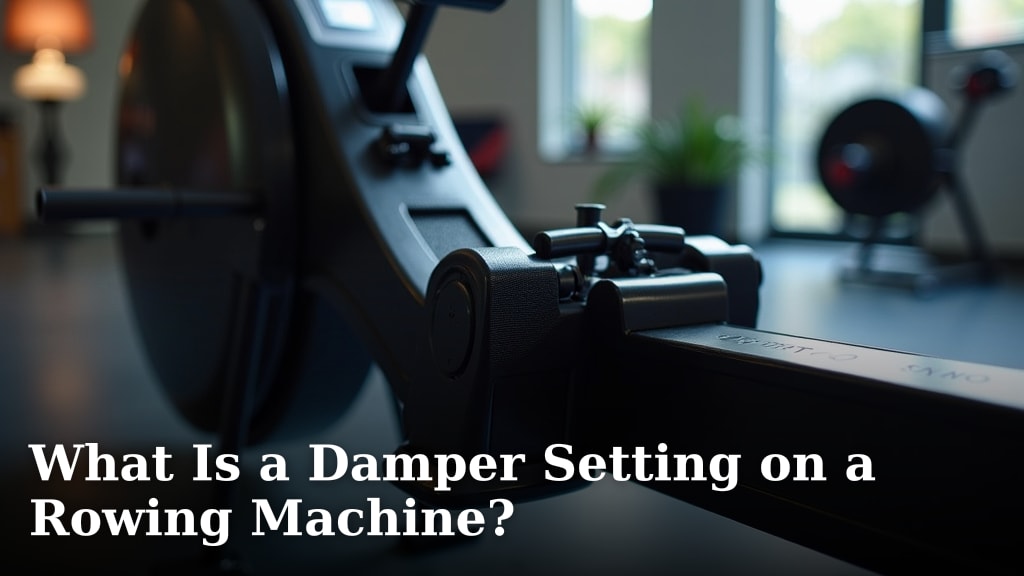
Unlock your rowing machine's potential. Learn what a damper setting is, how it affects your workout, and find the ideal setting for your fitness goals.

Master proper rowing form with our comprehensive guide. Learn the correct technique to maximize your workout and prevent injury. Improve your fitness.
Confused about how to increase rowing machine resistance? This guide explains damper settings, drag factor, and maintenance tips to optimize your workout.
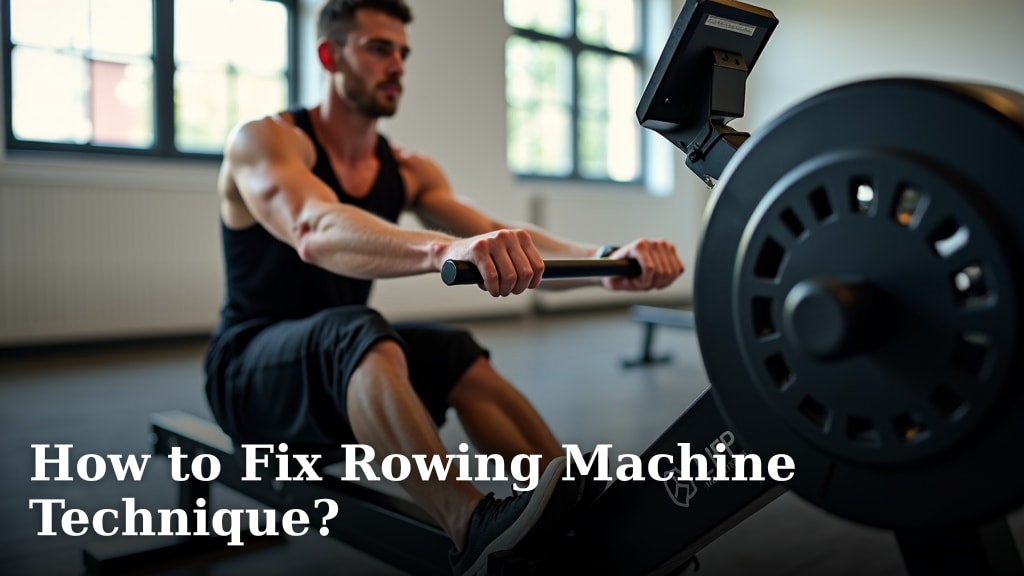
Improve your rowing machine technique with our expert guide. Learn common mistakes and how to fix them for more efficient, injury-free workouts.

Learn how to use a rowing machine for beginners with our comprehensive guide. Master proper form, technique, and basic workouts to start your fitness journey.
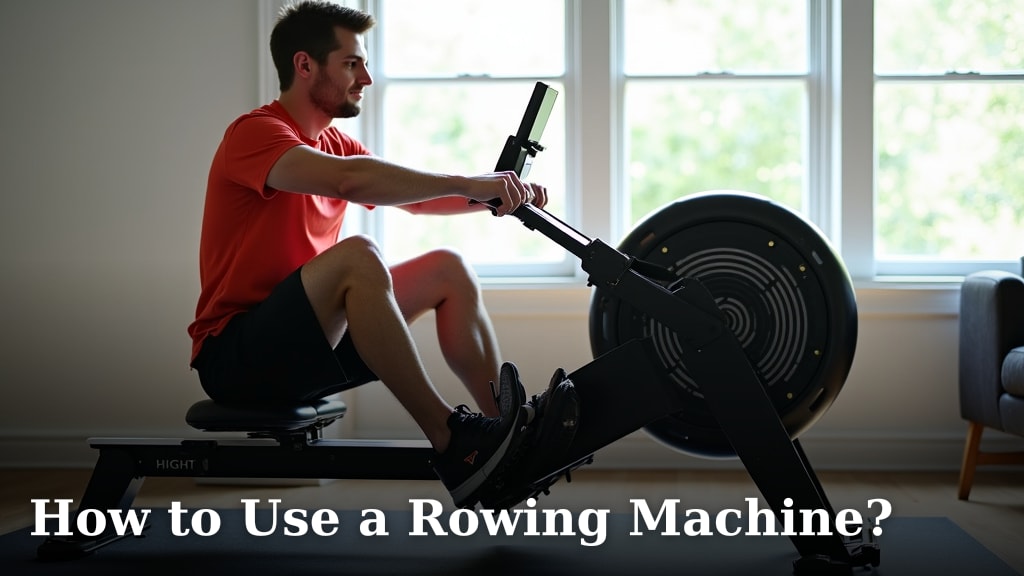
Master the rowing machine! Learn proper form, common mistakes to avoid, and essential techniques to maximize your workout and achieve your fitness goals.
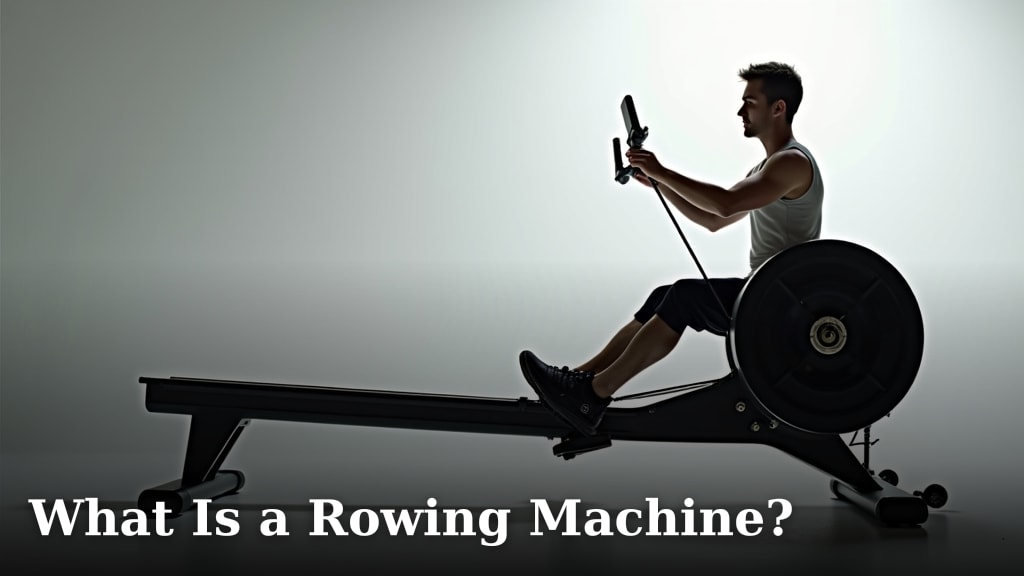
Discover what a rowing machine is, how it works, and the full-body benefits it offers. Understand this effective fitness equipment better.
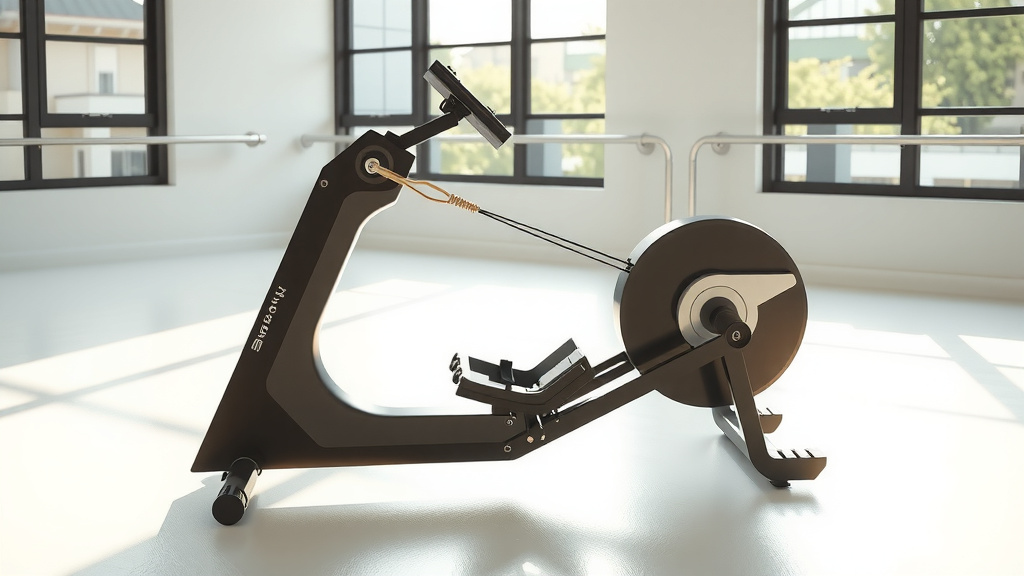
An erg rowing machine, often called an ergometer, is a stationary exercise device designed to accurately simulate the action of rowing a boat on water. It pro

To turn on your Concept 2 Rowing Machine, simply start rowing! The Performance Monitor (PM5) typically activates automatically as soon as you begin pulling th
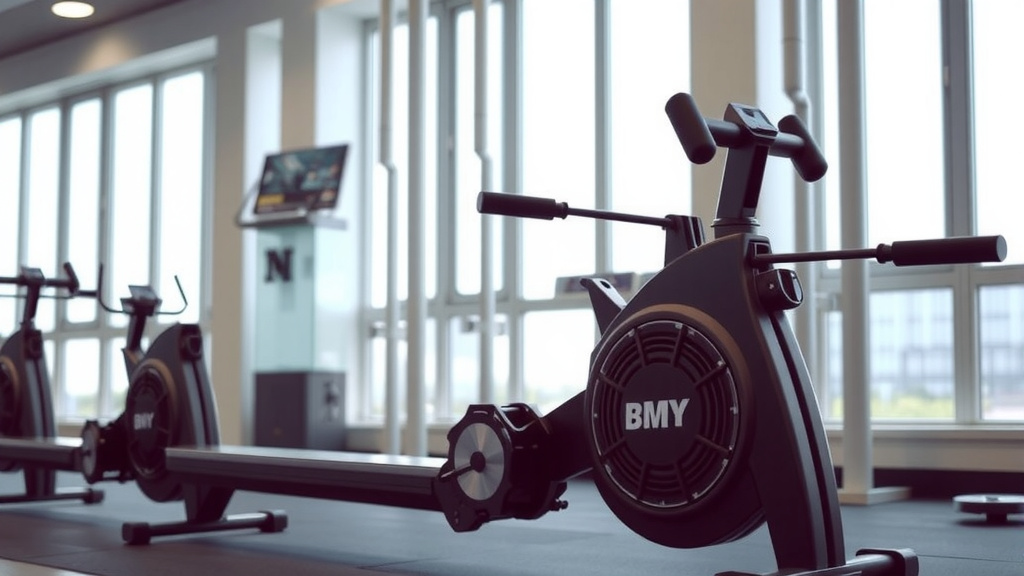
A rowing machine works your entire body by engaging about 85% of your muscles in a low-impact, fluid motion. It provides a powerful full-body workout that str
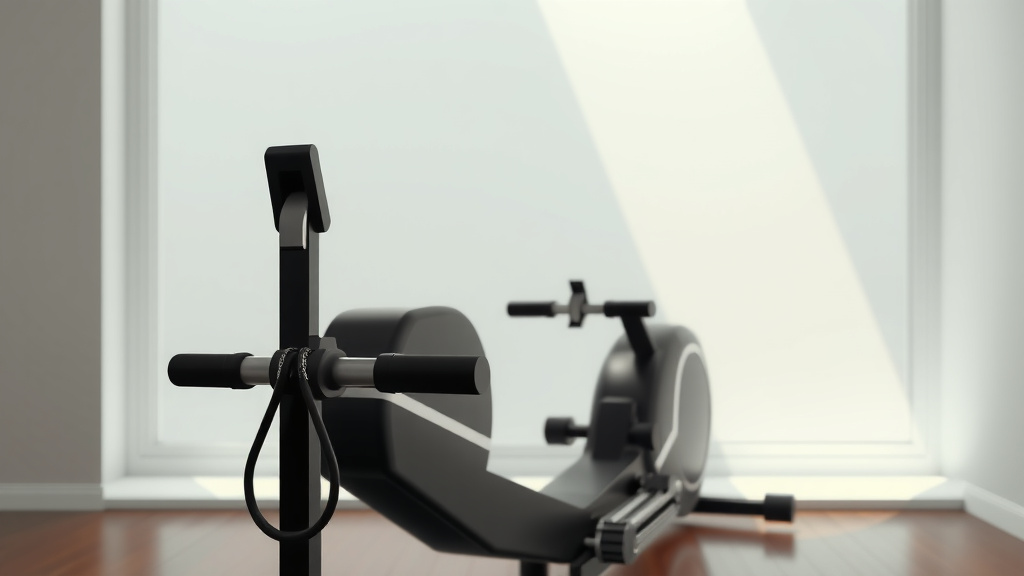
For most general fitness goals on a rowing machine, a mid-range resistance setting is ideal, often around 4-6 on a damper setting of 1-10 for air resistance m

Proper form for a rowing machine involves a smooth, powerful sequence through four key phases: the Catch, Drive, Finish, and Recovery. It is essential to enga
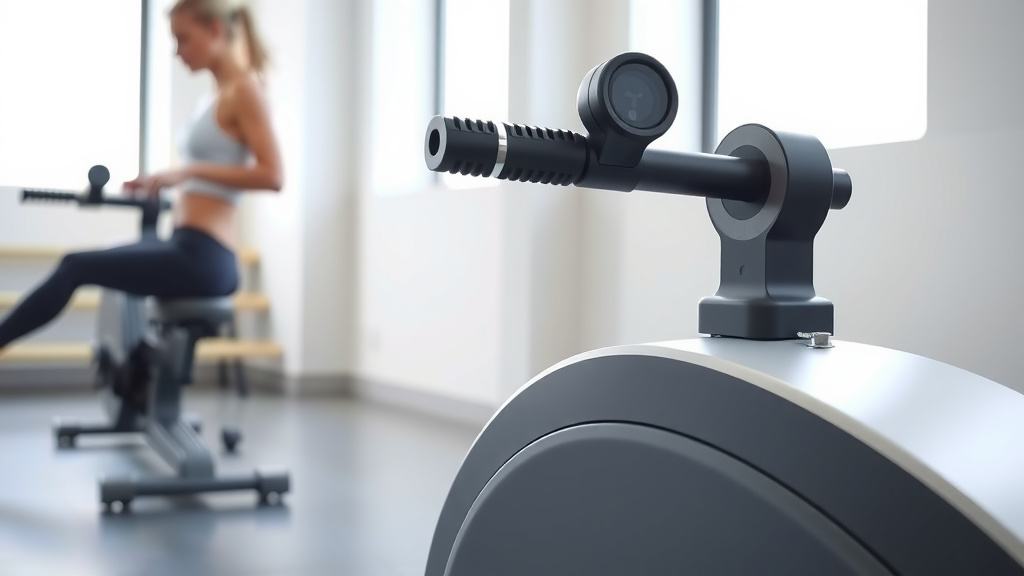
The damper on a rowing machine controls the airflow into the flywheel housing, directly impacting the “feel” of your stroke and simulating different boat type
TCNT on a rowing machine stands for “Total Count,” representing the cumulative number of strokes you have performed during your entire workout session. It’s a

The numbers on a rowing machine display vital metrics like time, distance, strokes per minute (SPM), 500m split time, and total watts. These readouts help you
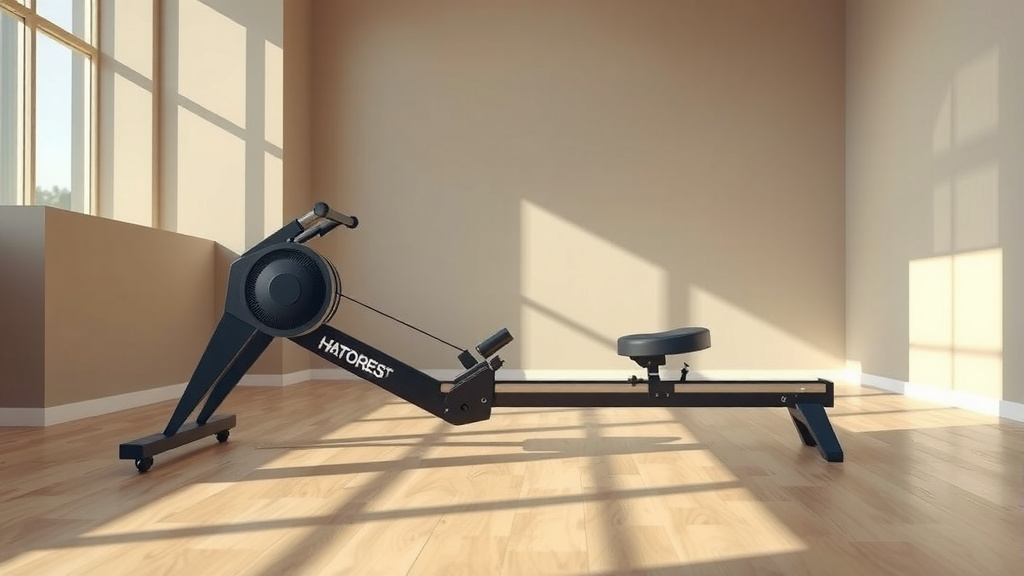
You should lean back slightly on a rowing machine, but only to a small degree, typically between 11 and 1 o’clock on an imaginary clock face. This slight lean
On a rowing machine, setting 10 is almost always harder than setting 1. Higher numbers typically mean more resistance, demanding greater effort from your musc
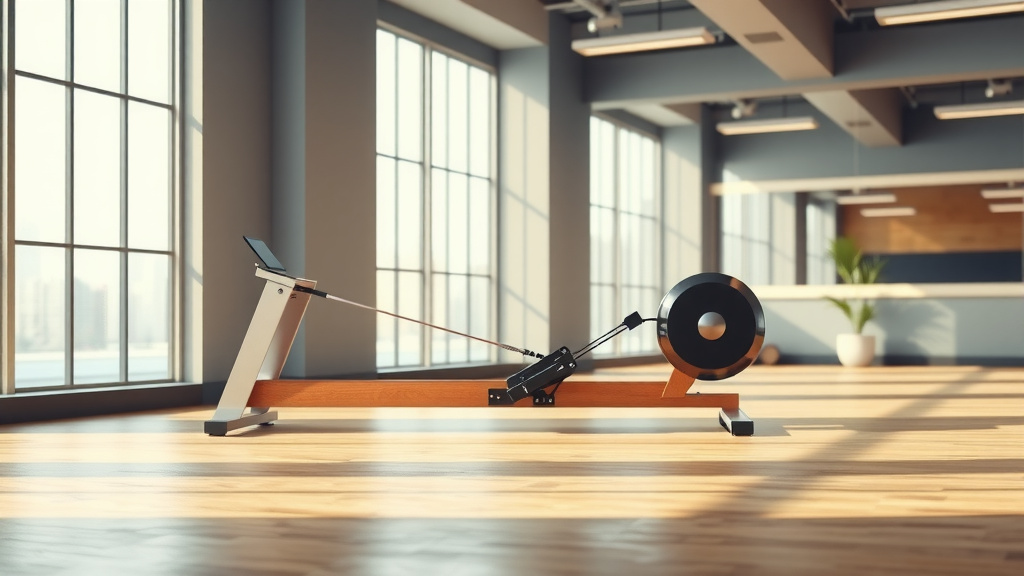
To use a water rowing machine effectively, start by adjusting the foot straps, then follow the four-phase stroke: Catch, Drive, Finish, and Recovery, focusing
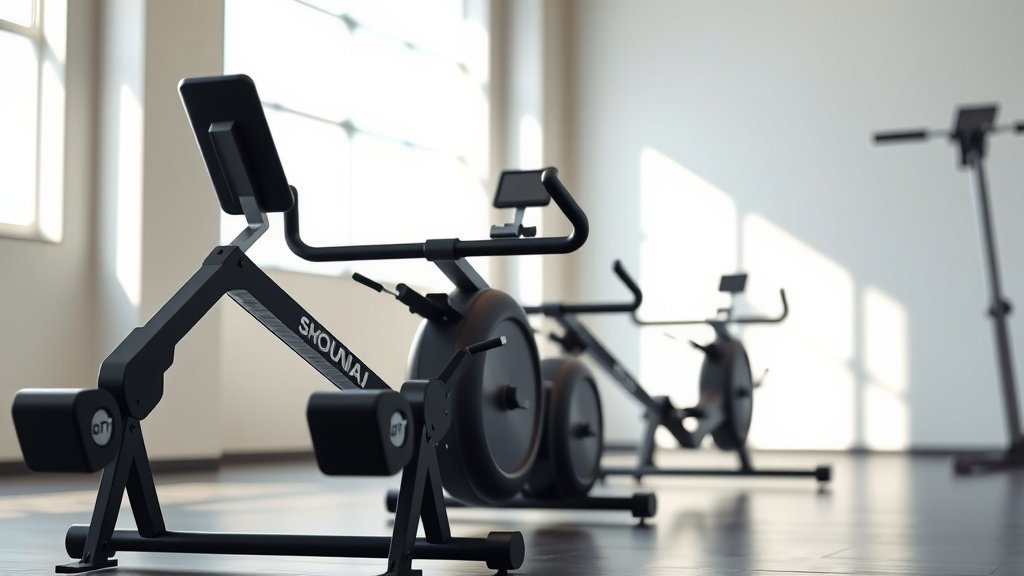
To use an Erg Rowing Machine effectively, you must first master the four phases of the rowing stroke: the catch, the drive, the finish, and the recovery. Focu
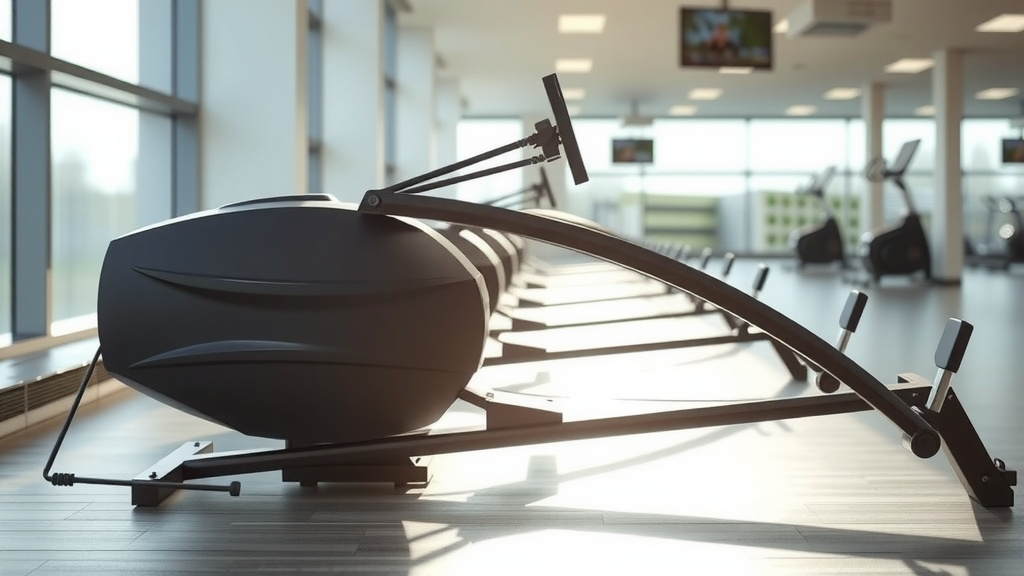
Using an air rowing machine involves a complete, fluid motion across four phases: the catch, drive, finish, and recovery. You start with bent knees at the fro

To properly sit on a rowing machine, position yourself on the seat with your shins vertical, knees bent, and feet firmly strapped into the foot stretchers. En
You can absolutely mimic the powerful, full-body workout of a rowing machine without owning one by focusing on compound bodyweight exercises and using househo

Yes, you can absolutely row at home without a rowing machine by mimicking the movement with bodyweight exercises and resistance bands. These methods help you

To program your Concept 2 rowing machine, start by pressing “Menu” on the PM5 monitor, then select “Select Workout.” You can choose from pre-set options like

To increase resistance on a water rowing machine, focus primarily on your stroke technique and power output. The harder and faster you pull, the more water yo
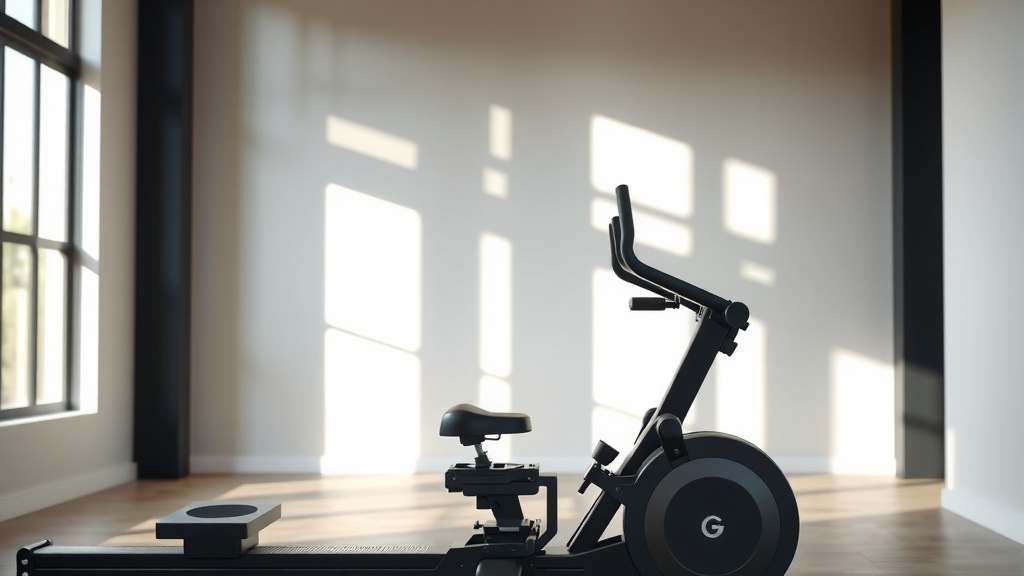
A rowing machine works mechanically by using a resistance system, a drive system, and a monitoring console to simulate rowing on water. When you pull the hand
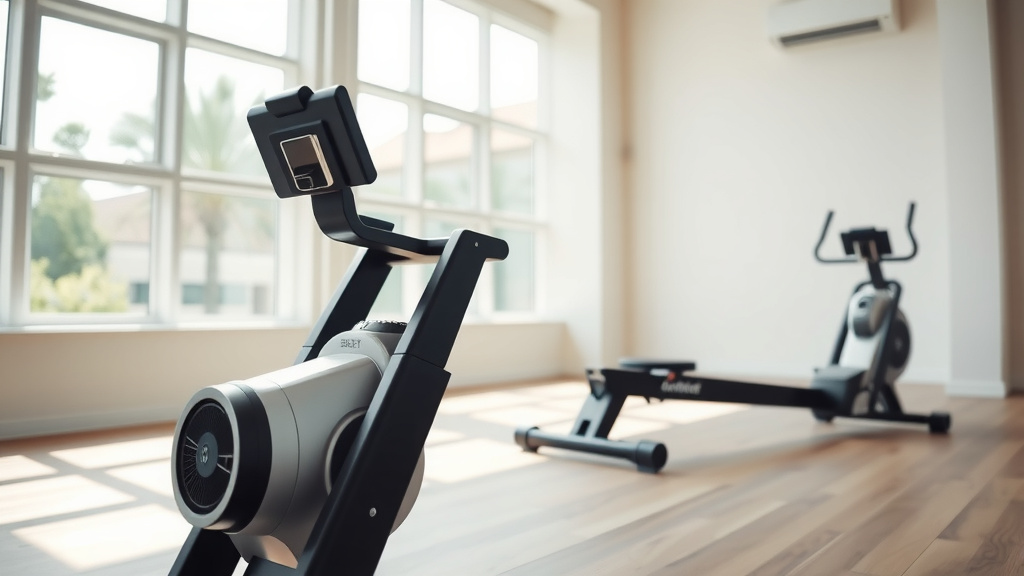
You can increase resistance on a rowing machine by adjusting its damper setting, adding more water to a water rower, or turning the resistance knob on a magne
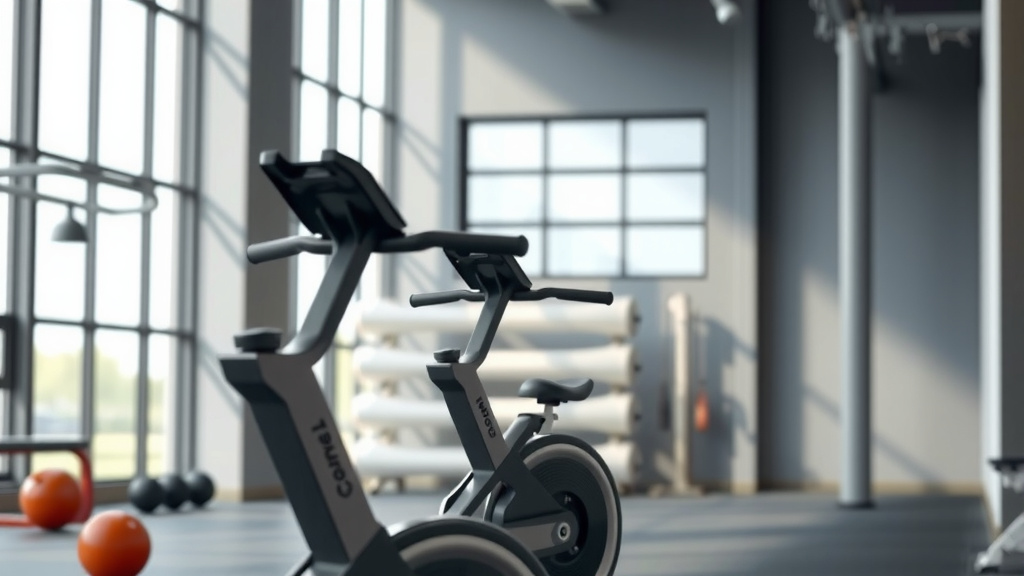
To use a Concept 2 Rowing Machine, you adjust the damper setting, strap your feet in securely, and then perform the stroke in four crucial phases: Catch, Driv
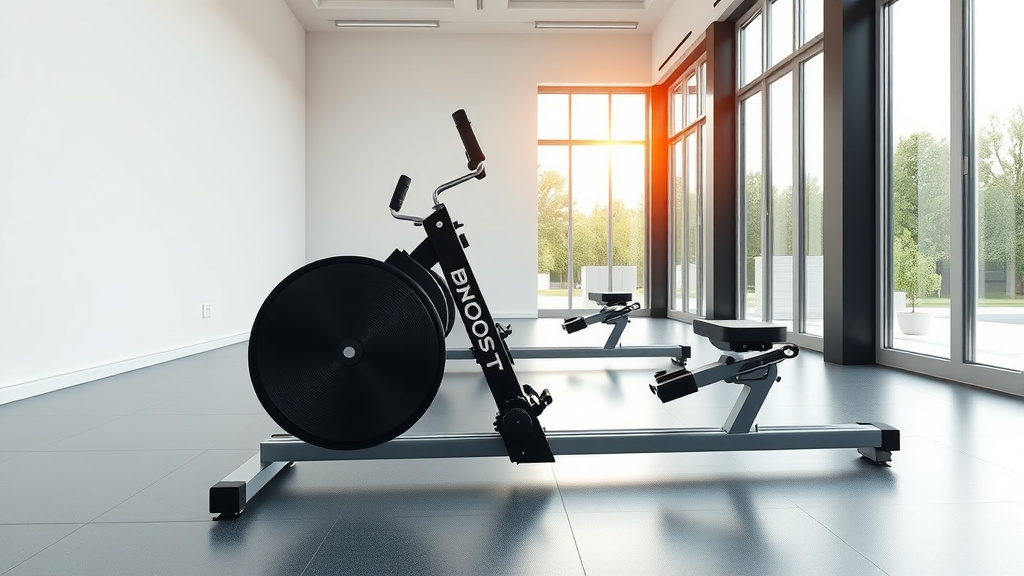
To use a rowing machine as a beginner, focus on mastering the four phases of the stroke: Catch, Drive, Finish, and Recovery, ensuring your movements are smoot
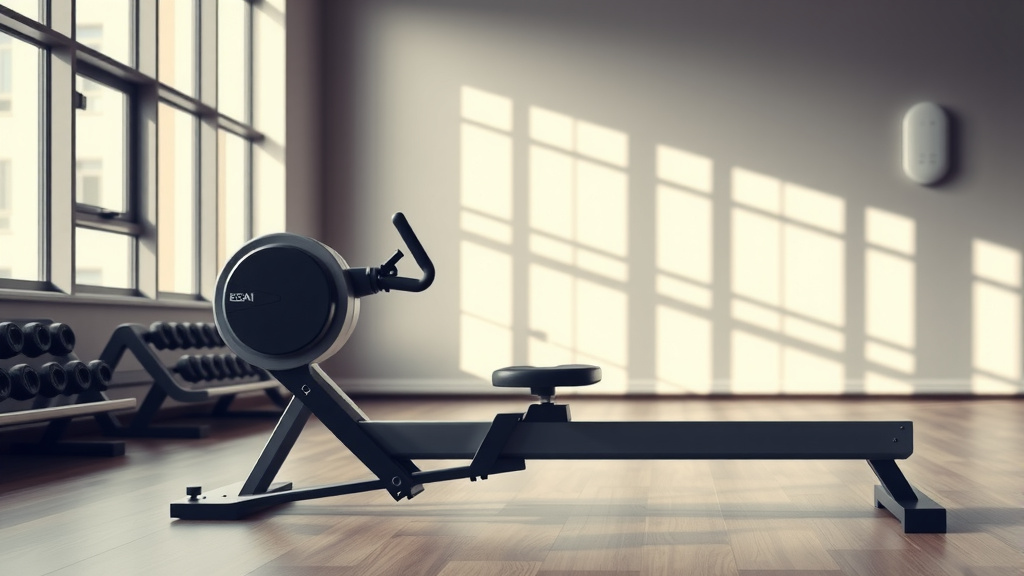
A rowing machine works by translating your body’s power through a handle and chain into a flywheel or resistance mechanism, simulating the act of rowing a boa
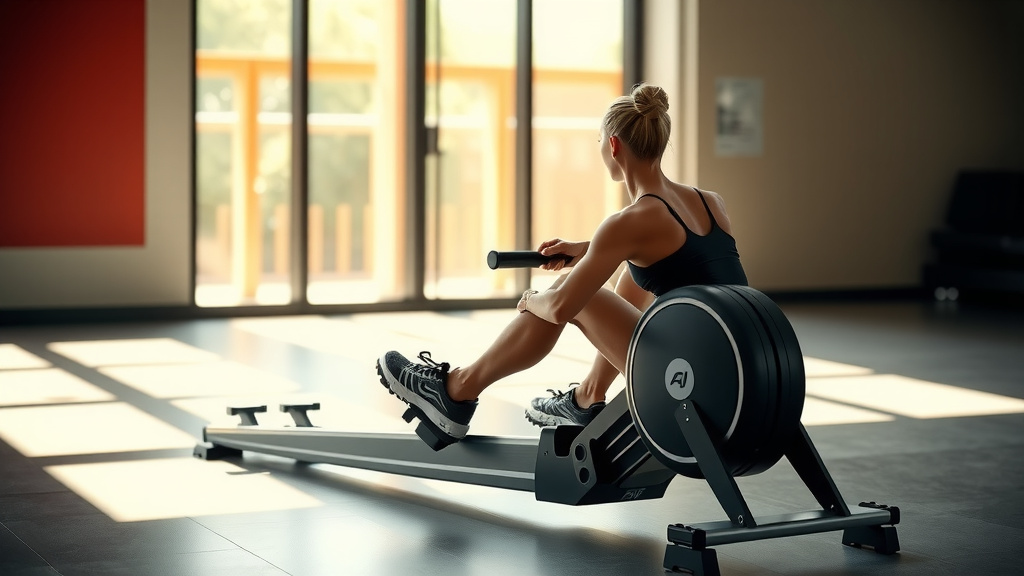
To use a rowing machine at the gym effectively, first adjust the foot straps and damper setting for your comfort. Then, master the four-phase stroke – the cat
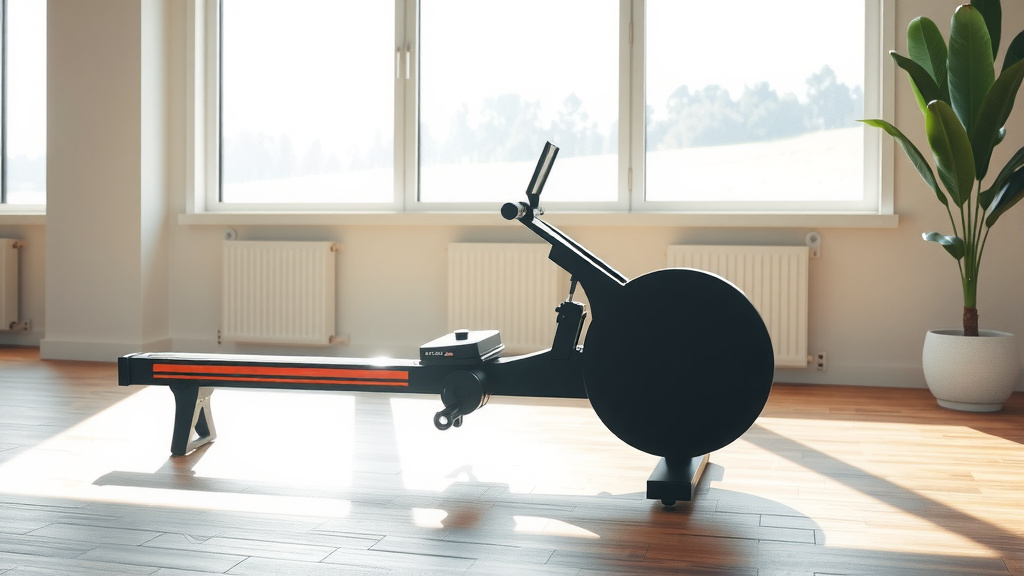
To row on a rowing machine, you perform a four-phase stroke: The Catch, The Drive, The Finish, and The Recovery. Focus on using your legs for power, followed

To effectively work a rowing machine, first adjust the foot straps and damper for comfort and resistance. Then, master the “legs, core, arms, arms, core, legs
To use a rowing machine, start by securing your feet in the straps, then grip the handle firmly with an overhand grip. The rowing machine stroke involves four
To properly use a rowing machine, sit tall, strap your feet in, and begin with the “catch” position – knees bent, arms forward. Push powerfully with your legs
To use a rowing machine correctly, focus on the four key phases of the stroke: catch, drive, finish, and recovery. This sequence ensures you engage your entir
To use a rowing machine effectively, sit with knees bent, feet strapped in, and grasp the handle. Initiate the stroke with a powerful leg drive, followed by l
A rowing machine can feel challenging, especially when you’re starting, but it’s not inherently hard if you approach it correctly. Its perceived difficulty of
Starting with a rowing machine means learning the correct sequence: push with legs, then lean back with your core, and finally pull with your arms. To begin u
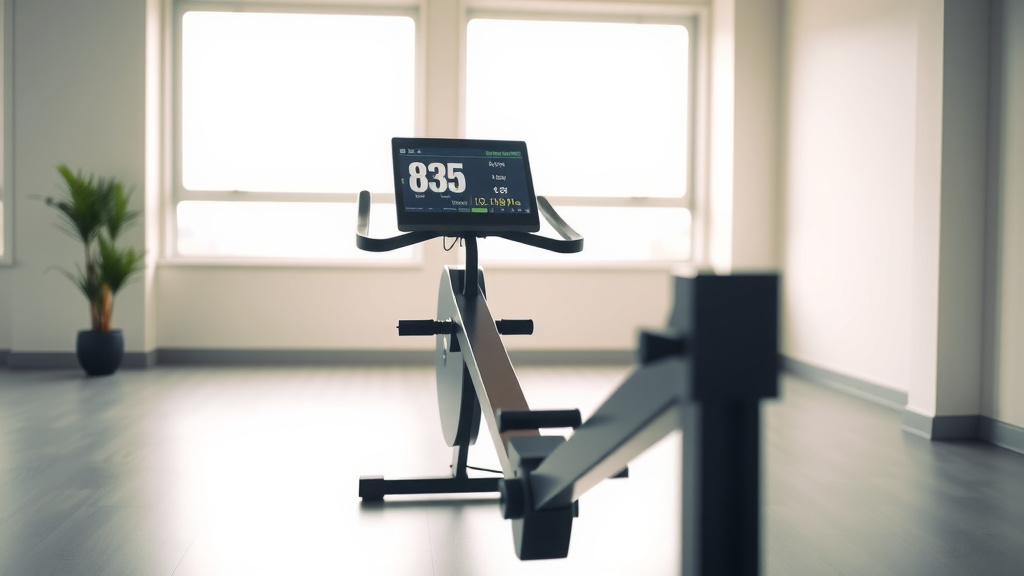
Reading your rowing machine monitor involves understanding key metrics like stroke rate (SPM), pace (split time), and power (watts) to track your workout perf
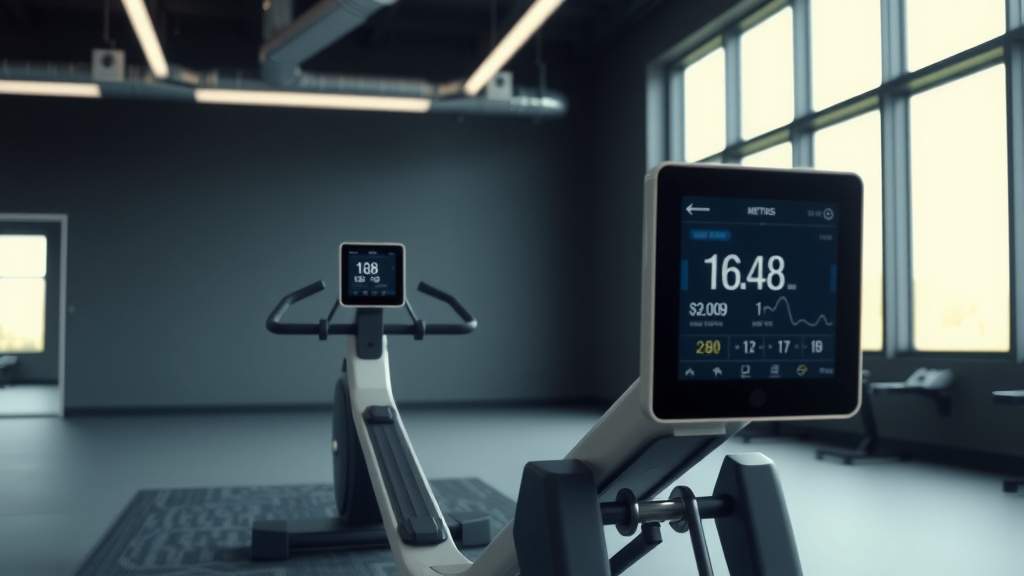
To read a rowing machine display, focus on key metrics like Strokes Per Minute (SPM), Split Time (pace), and Distance, which tell you about your effort and pr

You can practice rowing without a rowing machine by focusing on exercises that replicate the major muscle groups used in the rowing stroke: legs, core, back,
To grip a rowing machine, you should use a relaxed overhand grip, wrapping your fingers loosely around the handle while keeping your wrists flat. The aim is t
To get the most out of your rowing machine, focus on mastering proper technique, incorporating varied workouts, and maintaining consistent effort. This ensure
To engage your glutes effectively on a rowing machine, focus on initiating the drive phase by pushing powerfully through your heels and actively squeezing you
To breathe effectively on a rowing machine, you synchronize your breath with each stroke. You typically inhale as you slide forward during the recovery phase
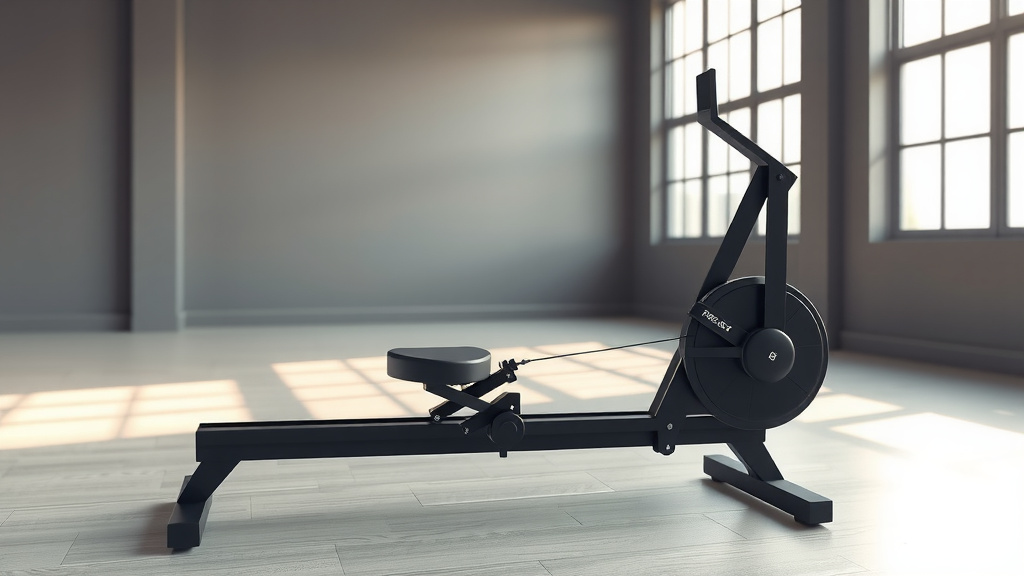
A rowing machine simulates the motion of rowing a boat, engaging your entire body in a powerful, low-impact workout. It works by combining a moving seat, foot
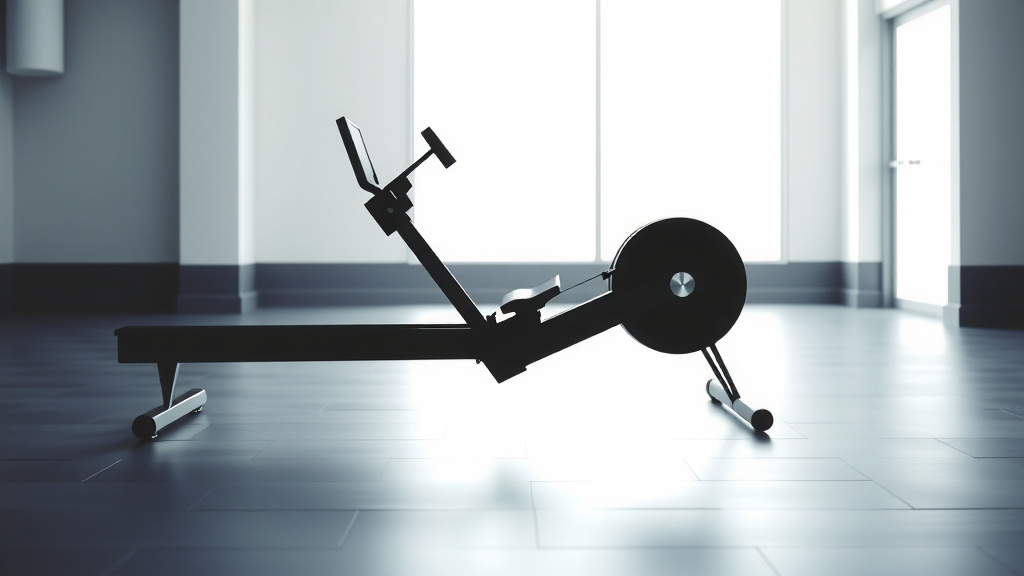
A rowing machine is commonly called a rower, indoor rower, or ergometer. These names all refer to the same full-body fitness device that mimics the action of