
What Is a Rowing Ergometer?

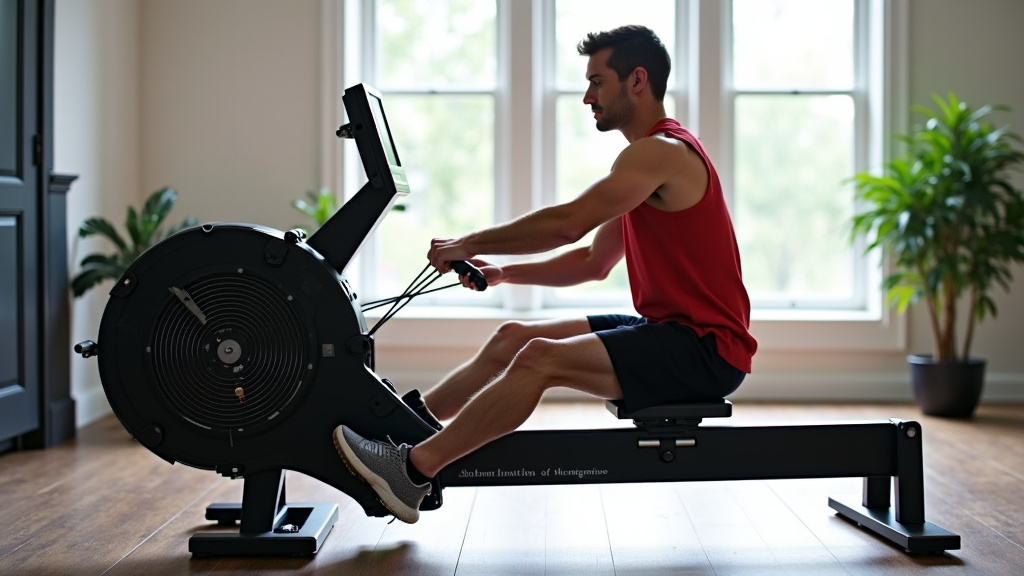
A rowing ergometer is a stationary machine that simulates the physical experience of rowing on water. Often called an “erg” or “rowing machine,” it measures your power output and performance. You’ll find these machines in gyms and training centers worldwide.
Think of it as a virtual boat that lets you get a fantastic workout without needing a lake or river. It’s a popular tool for athletes and fitness enthusiasts alike. Many people use it to improve cardiovascular health and build muscle. It offers a full-body, low-impact exercise.
- It’s a stationary rowing machine.
- It mimics rowing on water.
- It measures your workout performance.
- It’s great for full-body fitness.
- It’s a low-impact exercise option.
Ready to learn more about how this amazing machine works and what it can do for you? Let’s get started!
Understanding the Rowing Ergometer
So, you’ve heard about rowing ergometers, or “ergs,” and you’re curious what this piece of fitness equipment is all about. Simply put, a rowing ergometer is a stationary machine designed to simulate the motion of rowing a boat. But it’s much more than just a machine; it’s a sophisticated tool that provides a fantastic full-body workout. You get the sensation of moving through water while staying firmly planted in one spot. It’s a brilliant way to improve your fitness without needing access to a river or lake. Many people find it to be a highly effective and enjoyable exercise option.
Think of it as your personal rowing coach and virtual boat all in one. It tracks your performance metrics, giving you real-time feedback. This helps you understand your progress and push your limits safely. Whether you’re a seasoned athlete or just starting your fitness journey, the rowing ergometer can be a powerful ally in achieving your health goals. It’s a staple in gyms, training facilities, and even many homes for good reason. It offers a low-impact yet highly intense exercise experience.
How Does a Rowing Ergometer Actually Work?
The magic behind a rowing ergometer lies in how it replicates the rowing stroke and measures your effort. You’ll see different types of resistance, but they all aim to provide a smooth, challenging workout. Understanding the basic mechanics helps you appreciate the workout even more.
The Four Stages of a Rowing Stroke
Every pull on an erg follows a pattern very similar to rowing on water. There are four distinct phases to each stroke. Mastering these phases is key to an efficient and powerful workout. Let’s break them down:
1. The Catch
This is where the stroke begins. Your knees are bent, and your shins are nearly vertical. Your arms are extended forward, reaching for the handle. Your back should be straight, and your shoulders relaxed. It’s the starting position, ready to initiate the movement.
2. The Drive
This is the power phase. You begin by pressing your feet down, extending your legs powerfully. As your legs straighten, you lean back slightly. Your arms then pull the handle towards your chest. It’s a coordinated movement that transfers energy from your legs through your core to your arms.
3. The Finish
Once your legs are fully extended, your body is leaning back slightly, and the handle is at your chest. This is the finish position. Your knees are bent again, ready to begin the next stroke. It’s a controlled pause before returning to the catch.
4. The Recovery
This is the return phase. You extend your legs first, allowing your body to move forward over your feet. Then, your arms extend forward. Finally, you bend your knees to return to the catch position. It’s a smooth, controlled backward motion to set up for the next drive.
Types of Resistance
Rowing machines use different methods to create resistance. Each type offers a slightly different feel and sound. Most modern ergs use one of these common systems: Understanding the different types of resistance can help you choose the best machine for your needs.
Air Resistance
This is the most popular type. It uses a fan that spins as you pull the handle. The faster you pull, the more air resistance you create. This mimics rowing on water quite well. You’ll hear a satisfying swooshing sound with each stroke. Many experts note this provides a very natural feel (Concept2 Ergometer Manual).
Water Resistance
These machines have a tank of water. As you row, you move paddles through the water. This creates a smooth, fluid resistance. The sound is often described as being like real rowing. It’s a more immersive experience for some users. You can often adjust the water level for different resistance.
Magnetic Resistance
Magnetic rowers use magnets to create resistance. This system is usually very quiet. You can typically adjust the resistance level electronically. Some users find this offers a consistent, smooth pull. It’s a good choice if you need a machine that doesn’t make a lot of noise.
Hydraulic Resistance
These use pistons filled with fluid. They are often found on simpler, less expensive models. They can sometimes feel less like actual rowing. The resistance is generated by pushing the pistons. They tend to be quite compact.
What Muscles Does a Rowing Ergometer Work?
One of the biggest draws of the rowing ergometer is its ability to provide a comprehensive full-body workout. It engages a wide range of muscle groups, making it incredibly efficient. You’re not just working your arms or legs; you’re using your whole body!
Here’s a breakdown of the primary muscle groups you’ll be engaging:
- Legs: Primarily your quadriceps and hamstrings during the drive phase. Your glutes also get a good workout.
- Core: Your abs and lower back muscles are crucial for stabilizing your body. They work hard throughout the stroke.
- Back: The muscles in your upper and mid-back, like your rhomboids and lats, are engaged during the pull.
- Arms and Shoulders: Your biceps, triceps, and deltoids help pull the handle. Your forearms also get a workout.
Many fitness professionals point out that rowing is a balanced exercise. It builds strength and endurance across major muscle groups. This can contribute to better posture and overall physical function (American College of Sports Medicine).
Benefits of Using a Rowing Ergometer
Beyond just building muscle, incorporating a rowing ergometer into your routine offers a wealth of health and fitness advantages. It’s a versatile tool for improving various aspects of your well-being. Let’s look at some key benefits you can experience.
Cardiovascular Health Improvement
Rowing is an excellent aerobic exercise. It gets your heart rate up and improves your endurance. Regular cardio is vital for a healthy heart and circulatory system. Studies have shown that consistent aerobic training can lower blood pressure and improve cholesterol levels (Centers for Disease Control and Prevention).
Low-Impact Workout
Unlike high-impact activities like running, rowing is gentle on your joints. Since you’re seated and supported, there’s minimal stress on your knees, hips, and ankles. This makes it an ideal choice for people recovering from injuries or those who need a joint-friendly option. It’s also great for people of all ages. You can get a challenging workout without the pounding.
Calorie Burning and Weight Management
The rowing ergometer is a calorie-burning machine! Because it engages so many muscle groups simultaneously, it burns a significant amount of calories in a short period. This makes it highly effective for weight loss or management when combined with a balanced diet. Research indicates that high-intensity interval training on ergs can be particularly potent for boosting metabolism.
Increased Strength and Endurance
As we’ve seen, rowing works almost every major muscle group. This leads to improvements in both muscular strength and overall muscular endurance. You’ll build lean muscle mass while also improving your stamina. This dual benefit is hard to find in many other exercises. It truly is a “two-in-one” kind of workout. It truly is a full-body strength workout that engages multiple muscle groups simultaneously.
Mental Health Boost
Like many forms of exercise, rowing can have positive effects on your mental well-being. The rhythmic motion and focus required can be meditative. Exercise is well-known to release endorphins, which can help reduce stress and improve mood. Many users report feeling more relaxed and focused after a rowing session.
Who Can Benefit from Rowing Ergs?
The beauty of the rowing ergometer is its adaptability. It’s not just for elite athletes. People from all walks of life can find value in using this machine. Here are a few groups who particularly benefit:
- Athletes: Rowers, cyclists, runners, and triathletes often use ergs for cross-training and improving cardiovascular fitness.
- Fitness Enthusiasts: Anyone looking for a great full-body workout to improve overall health and fitness.
- Individuals with Joint Issues: Those who need a low-impact exercise option due to arthritis or past injuries.
- People Seeking Weight Loss: Its high calorie burn makes it a powerful tool for shedding pounds.
- Beginners: The adjustable resistance and straightforward motion make it accessible for those new to exercise.
It’s a truly versatile piece of equipment. It can be tailored to almost any fitness level and goal. You’re in control of the intensity.
Getting Started with Your Rowing Workout: A Quick Checklist
Ready to hop on and give it a try? Here’s a simple checklist to help you get started on the right foot (or rather, the right seat and footplate!):
- Check your setup: Ensure the foot straps are secure and the seat moves freely.
- Master the form: Focus on the catch, drive, finish, and recovery phases.
- Start slow: Begin with shorter workouts and moderate intensity.
- Listen to your body: Don’t push too hard too soon.
- Warm up and cool down: Always include a few minutes of light movement before and after.
- Stay hydrated: Drink water before, during, and after your workout.
Conclusion
You’ve learned that a rowing ergometer is much more than just a machine; it’s your gateway to a full-body, low-impact workout. You can build strength, improve cardiovascular health, and even boost your mood, all while being kind to your joints. Whether you’re an athlete or just starting, the erg offers a customizable and effective fitness solution. Now that you know the what, how, and why, your next step is to find an ergometer and try it out for yourself. You’ve got this!
Frequently Asked Questions
How do I know if I’m using a rowing ergometer correctly?
Focus on the four stages of the rowing stroke: the catch, drive, finish, and recovery. Maintaining a straight back and engaging your legs and core are key. Watching a demonstration video or asking a gym professional for form tips can also be very helpful.
Can a rowing ergometer really provide a full-body workout?
Yes, it absolutely can! The rowing motion engages your legs, core, back, arms, and shoulders. This coordinated effort makes it one of the most efficient full-body exercises available. You’re working multiple muscle groups with every single stroke.
Is rowing on an ergometer bad for my back?
When done with proper form, rowing is actually great for your back. It strengthens your core and back muscles, which can improve posture. However, poor form, like rounding your back during the drive, can lead to strain. Always focus on keeping your back straight.
How much should I expect to pay for a rowing ergometer?
Prices can vary widely. Basic models might start around a few hundred dollars, while high-end, feature-rich machines can cost over a thousand. Consider your budget and fitness goals when choosing a machine. Used models can also be a more affordable option.
How often should I use a rowing ergometer?
For general fitness, aiming for 2-3 sessions per week is a good start. You can adjust the frequency and intensity based on your fitness level and goals. Always allow for rest days to let your body recover and rebuild.
