How To Use Concept 2 Rowing Machine?
To use a Concept 2 Rowing Machine, you adjust the damper setting, strap your feet in securely, and then perform the stroke in four crucial phases: Catch, Drive, Finish, and Recovery.
Proper form is key to maximize your workout and avoid injury, focusing on a strong leg drive and smooth body movement throughout the entire Concept 2 rowing machine stroke.
- The Concept 2 rower helps you build strength and endurance by mimicking on-water rowing.
- Setting up includes adjusting the damper and securing your feet for safety and effective power.
- The rowing stroke has four distinct parts: Catch, Drive, Finish, and Recovery, each important for efficiency.
- Avoiding common mistakes protects your body and makes your workout more productive.
- Regular practice on a Concept 2 machine supports overall fitness and boosts cardiovascular health.
How To Use Concept 2 Rowing Machine?
Using a Concept 2 Rowing Machine correctly involves understanding its components and mastering a smooth, efficient rowing stroke. This guide will walk you through each step, helping you get the most from your workout.
Getting Ready: Your Pre-Row Checklist
Before you begin, a quick check helps you prepare your body and the machine. Think of it like a quick warm-up for your rowing session.
- Check the machine for any obstructions.
- Ensure the seat glides smoothly along the monorail.
- Have a water bottle nearby.
- Wear comfortable clothing that allows full range of motion.
- Clear some space around the machine for safety.
Understanding the Damper Setting
The damper setting on the flywheel housing controls how much air enters the flywheel. It feels a lot like rowing a real boat.
It’s not a “resistance” setting in the traditional sense. Instead, it changes the feel of the stroke, similar to how a heavier boat might feel on the water.
Choosing Your Damper Level
Many beginners think a higher damper setting means a better workout, but this isn’t always true. A setting between 3 and 5 is generally a good starting point for most people.
We found that a lower damper setting (1-4) can feel lighter and quicker, while a higher setting (6-10) feels heavier and slower (American Council on Exercise).
| Damper Setting | Feel on the Water | Common Use |
|---|---|---|
| 1-4 | Light, fast boat | Technique drills, longer steady rows |
| 5-7 | Medium, typical boat | General fitness, building power |
| 8-10 | Heavy, slow boat | Short, powerful bursts, strength focus |
Securing Your Feet Properly
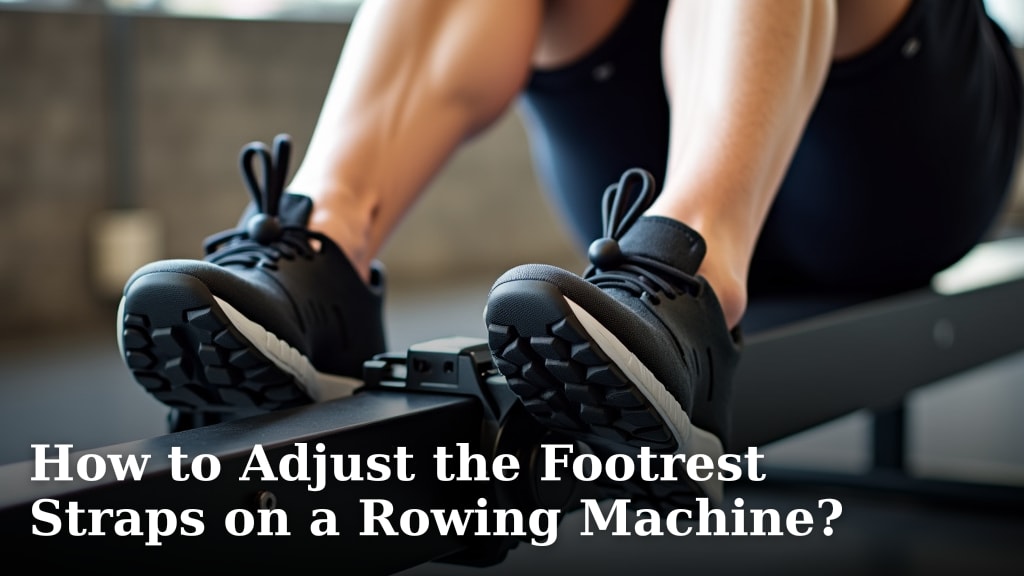
Your feet need to be secure and comfortable in the foot straps. This ensures you can push strongly with your legs without slipping.
Place your feet so the strap crosses the widest part of your foot, just over your shoelaces. Pull the straps snug, but not so tight they cut off circulation. You want to feel locked in.
The Four Phases of the Rowing Stroke
The rowing stroke is a continuous, fluid motion, but we break it down into four distinct phases for learning. Understanding each part helps you build a more effective and efficient stroke.
Phase 1: The Catch (Ready Position)
This is where your stroke begins. You are at the front of the machine, ready to push off.
Your knees are bent, shins vertical, and arms extended forward. Your back is straight and leaned slightly forward, almost like you’re reaching for something just out of reach. Your core is engaged here.
Phase 2: The Drive (Pushing Phase)
The drive is the powerhouse of your stroke. It starts with your legs, not your arms or back.
Push off powerfully with your legs, feeling your feet press against the foot stretchers. As your legs extend, lean back slightly from the hips, and then pull the handle towards your mid-abdomen. Think of a big leg press first, then lean, then pull.
Phase 3: The Finish (End of the Stroke)
At the finish, your legs are fully extended, you are leaning back slightly with a strong core, and the handle is pulled into your body, usually around your lower ribs or naval.
Your elbows are pulled past your body. Your body should form a slight “V” shape with your torso. Hold this position briefly to feel the power you generated.
Phase 4: The Recovery (Returning Forward)
The recovery is the reverse of the drive, bringing you back to the catch position. It should be controlled and smooth, preparing you for the next powerful drive.
First, extend your arms forward away from your body. Next, hinge forward from your hips. Finally, allow your knees to bend and slide forward on the seat, returning to the catch position. This sequence is key: Arms – Body – Legs.
Common Mistakes to Avoid
Even seasoned rowers can fall into bad habits. Being aware of these common errors can help you refine your technique and prevent injuries.
“Arm Pulling” Too Soon
Many beginners pull with their arms too early in the drive. Remember the sequence: Legs, then body, then arms. Your arms should be the last part of your body to engage during the drive (Mayo Clinic).
Rounding Your Back
A rounded back, especially during the catch or finish, puts strain on your spine. Always maintain a straight back, hinging from your hips, not your waist. Keep your core tight.
“Shooting the Slide”
This happens when your seat moves back faster than your handle. Your legs extend fully before your upper body has engaged, wasting power and putting stress on your lower back. Focus on a coordinated motion.
Grip Too Tight
Gripping the handle too tightly can lead to hand fatigue and wrist pain. Keep a relaxed, open grip, almost like you’re holding a golf club or a baseball bat lightly. The straps keep you connected.
Utilizing the PM5 Performance Monitor
The PM5 monitor is your rowing dashboard, offering valuable data to track your progress and improve your workouts. It provides real-time feedback on every stroke.
Key Metrics to Watch
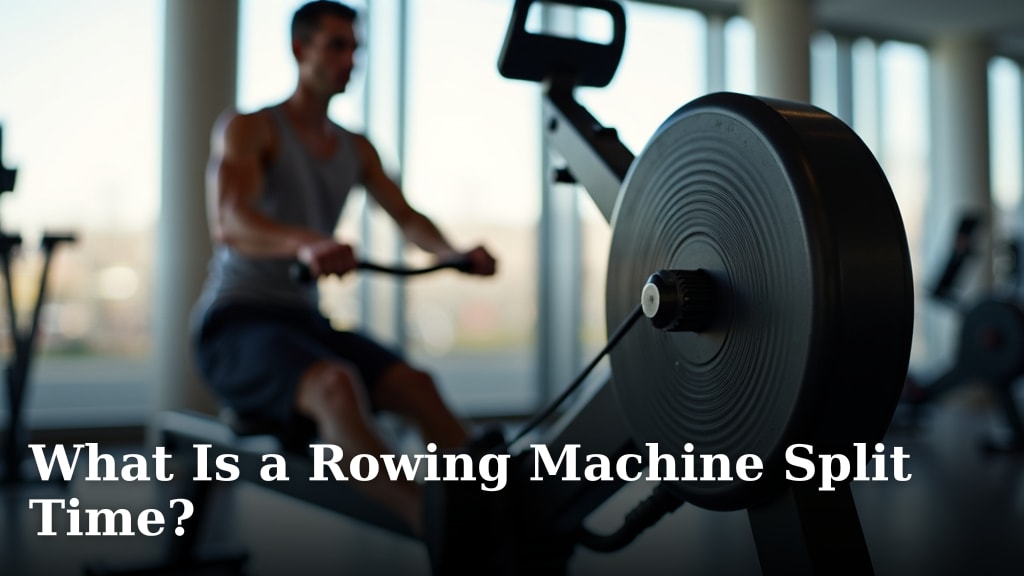
You can see your split time (time per 500 meters), total meters, strokes per minute (SPM), and calories burned. Understanding these numbers helps you gauge your effort.
Research suggests tracking your split time is one of the most effective ways to measure and improve your rowing performance over time (NIH).
Building Your Rowing Fitness
Regular practice on the Concept 2 rower offers a full-body workout. You will notice improvements in your stamina and muscle strength.
Warm-Up and Cool-Down
Always start with a 5-10 minute light warm-up. This gets your muscles ready. Finish with a 5-10 minute cool-down and some gentle stretching. This helps your body recover.
Conclusion
Mastering the Concept 2 Rowing Machine is a journey of practice and mindful movement. By focusing on proper setup, understanding the four phases of the stroke, and avoiding common errors, you will build a powerful and efficient rowing technique. Remember, consistency and attention to form are your best allies for a healthy, rewarding workout every time. Enjoy the rhythm of your stroke and the incredible benefits rowing brings.
How do I set the resistance on a Concept 2 rower?
You adjust the “resistance” using the damper setting, a lever on the side of the flywheel. It doesn’t directly increase or decrease resistance like a bike, but rather controls how much air enters the flywheel. This changes the feel of the stroke, mimicking a lighter or heavier boat on water.
Is rowing on a Concept 2 good for weight loss?
Yes, rowing on a Concept 2 machine is excellent for weight loss. It provides a full-body, high-intensity cardio workout that burns a significant number of calories. Combining regular rowing with a balanced diet can certainly support your weight loss goals.
How often should a beginner row on a Concept 2?
A beginner can start rowing 2-3 times a week for 20-30 minutes per session. Focus on learning proper form first before increasing duration or intensity. Listen to your body and allow for rest days to prevent overtraining.
What is a good 500m split time for a beginner?
For a beginner, a 500m split time around 2:00 to 2:30 minutes is a good starting point. This metric will naturally improve as your technique and fitness grow. Consistency in practice is more important than chasing a fast time initially.
Can I get a full-body workout from a Concept 2 rower?
Absolutely! The Concept 2 rower engages about 86% of your body’s muscles in a single stroke. It works your legs, core, back, and arms, providing a truly comprehensive full-body workout that builds both cardiovascular fitness and strength.