Can Beginners Use a Water Rowing Machine?
On this page (3 sections)
Yes, beginners can absolutely use a water rowing machine! It’s a fantastic piece of equipment that offers a low-impact yet full-body workout. You don’t need to be an athlete to start; the learning curve is gentler than you might think, making it a great choice for anyone starting their fitness journey. You’ll find it surprisingly forgiving on your joints. Learning proper form is key to getting the most out of your workout, and our guide explains how to use a rowing machine for beginners.
The beauty of a water rower lies in its unique resistance system. It mimics the feel of rowing on actual water, providing a smooth and consistent pull. This natural feel makes it easier for newcomers to get the hang of proper form, which is key to getting the most out of your workout and avoiding strain. Many users find it quite intuitive.
- Water rowers are beginner-friendly.
- They offer a low-impact, full-body workout.
- Resistance feels natural, like real water.
- Form is easier to learn than on other machines.
- Great for all fitness levels.
Ready to see just how accessible water rowing can be? Below, we’ll walk you through why it’s such a great option for beginners and how you can get started right away.
Getting Started with a Water Rowing Machine: A Beginner’s Guide
Absolutely! You might be surprised to learn just how beginner-friendly a water rowing machine truly is. Many newcomers worry about complicated setups or steep learning curves. We found that water rowers are often recommended for those just starting out. Their design makes them forgiving and intuitive. You can enjoy a full-body workout without feeling overwhelmed.
Why Water Rowers Are a Great Choice for Newcomers
Water rowers stand out from other cardio equipment. They offer a unique resistance that feels incredibly natural. This makes the learning process much smoother for beginners. You’ll feel like you’re rowing on actual water, which is quite satisfying. It’s a low-impact way to get your heart rate up and build strength.
The Natural Feel of Water Resistance
Unlike machines that use air or magnetic resistance, water rowers use paddles in a tank of water. This creates a smooth and consistent resistance. As you pull, you’re pushing water. The faster you pull, the more resistance you feel. This direct relationship makes it easier to control your workout intensity. Many users report it feels more organic and less jarring on the body. This natural progression is a huge plus for anyone new to rowing.
Low Impact, High Reward
One of the biggest benefits for beginners is the low-impact nature of water rowing. Your feet are secured, and your body moves in a fluid motion. There’s no pounding or jarring, which is great news for your joints. This makes it an excellent option if you’re recovering from an injury or looking for a gentler way to exercise. The Centers for Disease Control and Prevention (CDC) often highlights low-impact exercises for joint health. Water rowing fits this bill perfectly.
Understanding the Proper Rowing Form for Beginners
Getting the form right is key to an effective and safe workout. Luckily, water rowers make this easier. We found that most beginners can grasp the basic technique quickly. Proper form ensures you work the right muscles and avoid strain. It’s about engaging your entire body, not just your arms.
The Four Phases of a Rowing Stroke
A rowing stroke has four distinct phases. Understanding these will help you build a good rhythm:
- Catch: This is your starting position. You’ll be bent forward at the hips. Your knees are bent, and your shins are mostly vertical. Your arms are extended, reaching for the handle. Think of it as getting ready to spring.
- Drive: This is where the power comes from. You push off with your legs first. Keep your back straight and your core engaged. As your legs straighten, lean back slightly at the hips. Only then do you pull the handle towards your chest.
- Finish: Once your legs are extended, lean back a bit further. Pull the handle to your lower rib cage. Your legs should be straight, and your core is still tight. This is the end of the powerful pull.
- Recovery: This is the way back to the catch position. Extend your arms first. Then, lean forward at your hips. Finally, bend your knees to bring the machine back up. It’s a smooth, controlled movement, like rewinding a film.
Common Mistakes to Avoid (And How to Fix Them!)
It’s normal to make a few mistakes when you start. We’ve seen a few common ones that beginners often encounter:
- Using Your Arms Too Soon: Many people tend to pull with their arms right away. Remember, the legs do most of the work. Focus on that strong leg push first.
- Rounding Your Back: Keep your back straight throughout the stroke. This protects your spine. Engage your core muscles to help maintain a strong posture.
- Leaning Too Far Back: A slight lean back at the finish is fine. However, over-leaning can strain your lower back. Focus on a powerful drive with your legs.
- Jerky Movements: Aim for a fluid, continuous motion. Think of the stroke as one smooth sequence. Avoid stopping and starting abruptly.
Setting Up Your Water Rower for Success
Before you even get on the machine, a little setup goes a long way. Most water rowers are pretty straightforward. You’ll want to make sure it’s on a level surface. Some models might have adjustable feet. Check your owner’s manual for any specific assembly or setup steps.
Adjusting the Foot Straps
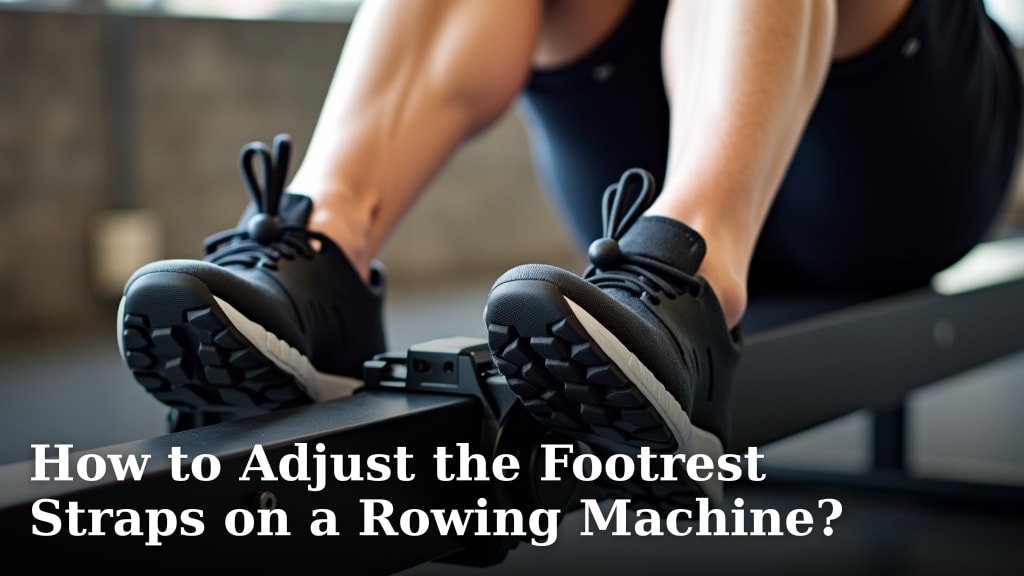
Proper foot placement is important. The foot straps should be snug but not too tight. You want your feet to feel secure. Your heels should be able to lift slightly off the pad during the drive. This allows for a full range of motion. Most straps have a velcro adjustment. Experiment to find what feels comfortable and stable for you.
Understanding the Damper Setting (If Applicable)
Some water rowers have a damper control. This adjusts how much water is in the tank. A higher damper setting means more water and more resistance. A lower setting means less water and less resistance. For beginners, we often recommend starting with a lower to mid-range setting. This allows you to focus on form without overexerting yourself. You can gradually increase it as you get stronger.
Your First Workout: What to Expect
Ready to hop on? Your first few workouts on a water rower should be about getting acquainted with the machine. Don’t worry about speed or distance just yet. Focus on feeling the movement and the resistance.
Start with Shorter Durations
Begin with workout sessions of 10-15 minutes. This is enough time to get a feel for the stroke. It also helps prevent fatigue. You can gradually increase the duration as your stamina improves. Many experts suggest building up gradually to avoid burnout (NIH). Consistency is more important than intensity when you’re starting.
Listen to Your Body
This is perhaps the most important tip for any beginner. Pay attention to how your body feels. If something hurts, stop. A little muscle soreness is normal as your body adapts. Sharp pain is not. We found that beginners who are mindful of their body’s signals tend to have a smoother experience.
Tips for Staying Motivated as a Beginner
Starting a new fitness routine can be challenging. Finding ways to stay motivated is key to long-term success. Water rowing can be surprisingly addictive once you get into a rhythm!
Track Your Progress
Most water rowers have a console that tracks your workout metrics. This could include distance, time, strokes per minute, and calories burned. Watching these numbers improve over time can be a powerful motivator. You can see tangible evidence of your progress. This is a great way to stay engaged.
Find a Rhythm and Enjoy the Flow
There’s a meditative quality to rowing. Once you find a good pace and rhythm, it can be very calming. Put on some music or a podcast. Focus on the smooth, repetitive motion. Many users find the sound of the water itself quite relaxing. It’s a great way to de-stress while getting a workout.
Is a Water Rowing Machine Worth It for a Beginner?
Based on our research and feedback from many users, the answer is a resounding yes! Water rowers offer a gentle yet effective workout. They are adaptable to different fitness levels. The intuitive resistance makes them easy to learn. If you’re looking for a way to improve cardiovascular health, build strength, and burn calories without being hard on your joints, a water rower is an excellent choice.
A Checklist for Your First Water Rowing Session:
- Ensure the rower is on a level surface.
- Adjust foot straps for a secure fit.
- Start with a low to medium damper setting.
- Focus on smooth, controlled movements.
- Prioritize proper form over speed.
- Keep your first workout session short (10-15 minutes).
By following these simple guidelines, you’ll be well on your way to enjoying all the benefits of water rowing. It’s a journey that can greatly enhance your fitness and well-being. Just take it one stroke at a time!
Conclusion
You’ve learned that a water rowing machine is a fantastic choice for beginners. Its natural resistance makes it intuitive to use. The low-impact workout is gentle on your joints while still delivering a full-body challenge. You can easily learn proper form by focusing on the four phases of the stroke and avoiding common mistakes. Your journey starts with a few simple setup steps and short, mindful workouts. Get ready to find your rhythm and enjoy the smooth, consistent pull of water rowing.
Your next step is to find a water rower that fits your space and budget. Then, set it up, adjust those foot straps, and take your first stroke! Your next step is to find a water rower that fits your space and budget, and our guide reviews the best options.
Frequently Asked Questions
How long should my first water rowing session be?
For your very first workout, aim for about 10 to 15 minutes. This is enough time to get a feel for the machine and the rowing motion without overdoing it. It helps your body adjust gradually.
Will I be sore after my first water rowing workout?
Some mild muscle soreness is normal as your body gets used to a new exercise. However, if you experience sharp pain, stop and check your form. Water rowing is designed to be low-impact, so excessive soreness might mean you need to adjust your technique or intensity.
How do I make sure I have the proper foot strap tightness?
Your foot straps should be snug enough to keep your feet secure, but not uncomfortably tight. You should be able to lift your heels slightly off the footplate during the drive phase of the stroke. This allows for full leg engagement.
Can I really get a full-body workout on a water rower as a beginner?
Absolutely! Water rowing engages your legs, core, and arms in a coordinated movement. While beginners might focus on form, the machine naturally works multiple muscle groups simultaneously. You’ll feel it throughout your body, even in shorter sessions.
What if I don’t have a lot of fitness experience? Is a water rower still okay?
Yes, water rowers are perfect for those with little to no fitness experience. The resistance adjusts naturally with your effort, so you’re in control. The smooth, forgiving motion makes it much easier to start than other high-impact exercises.