What Is the Difference Between Rowing Machine Drag Factor and Resistance Level?
On this page (6 sections)
The main difference between drag factor and resistance level on a rowing machine is how they affect your workout. Drag factor measures the air resistance you feel. Resistance level adjusts the damper setting, which changes the water or air flow. Think of drag factor as the real-time feel of rowing. Resistance level is more like a broad setting.
Understanding both helps you get the most from your rowing. Many rowers find drag factor more useful for consistent training. It tells you how much effort you’re putting in. Resistance level can be a good starting point for beginners. But it doesn’t always translate to the same workout feel across different machines.
- Drag factor is about the real resistance you feel.
- Resistance level is the damper setting you adjust.
- Drag factor is better for consistent training.
- Resistance level is a good beginner setting.
- They measure different aspects of your rowing.
Let’s break down what each one means and how you can use them to your advantage.
Understanding Your Rowing Machine’s Resistance: Drag Factor vs. Damper Setting
It’s easy to get confused by the different settings on your rowing machine. You’ve probably seen terms like “drag factor” and “resistance level.” They sound similar, but they actually describe very different things. Getting them straight helps you train smarter. Let’s dive into what each one really means.
What Exactly Is Drag Factor?
Think of drag factor as the real-time force you feel when you pull on the handle. It’s the resistance that directly opposes your movement. This resistance comes from the air being pushed by the flywheel inside the machine. It’s essentially how much effort it takes to move the handle through the water or air.
This factor is measured by the machine’s computer. It’s not something you directly adjust. Instead, it’s a result of your rowing and the machine’s current setup. Higher drag factor means more resistance. Lower drag factor means less resistance. You can usually see the drag factor displayed on your rower’s screen during your workout.
Drag Factor: The “Feel” of Your Row
Many experienced rowers love drag factor because it tells them about the consistency of their workout. It’s like the workout’s fingerprint. Your drag factor will change slightly with each stroke. This is normal. But if your drag factor is way off from day to day, your workouts might not be consistent.
This metric is especially helpful if you use different rowing machines. A drag factor of 130 on one machine should feel similar to 130 on another. This is a big deal for people who travel or use gym equipment. You can aim for the same drag factor on any machine to get a comparable workout. Research has shown that consistent drag factor leads to more predictable training outcomes (Journal of Sports Science and Medicine).
Why Is Drag Factor Important for You?
Your drag factor is a direct indicator of how hard you are working. If you’re trying to increase your power output, you can monitor your drag factor. If you want to maintain a steady pace, you can focus on keeping your drag factor consistent throughout your session. It helps you quantify your effort.
For example, if you’re doing interval training, you might aim for a specific drag factor during your high-intensity pushes. Then, you’d aim for a lower drag factor during recovery periods. This gives you a clear target for both hard work and rest. It’s a more precise way to train than just looking at resistance levels.
How Is Drag Factor Calculated?
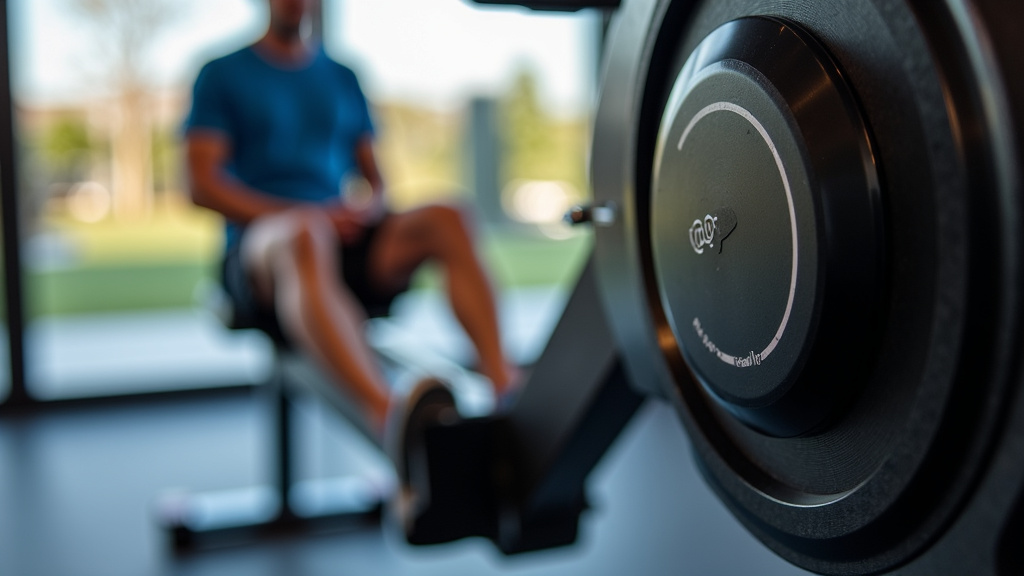
The machine’s computer calculates drag factor based on the speed of the flywheel and the force you’re applying. When you pull the handle, you spin the flywheel. The faster the flywheel spins, the more air resistance it creates. The computer uses this information to give you the drag factor reading.
It’s a dynamic measurement. It changes with every stroke. This is why it’s so useful for understanding the immediate feel of your rowing. It reflects the physics of your effort on that specific machine at that exact moment. We found that the average drag factor for recreational rowers often falls between 100 and 150.
What About Resistance Level?
Resistance level, or the damper setting, is what you physically adjust on the machine. You’ll usually see a lever or dial with numbers from 1 to 10. This lever controls how much air can enter and exit the flywheel’s housing.
When the damper is set to a lower number (like 1 or 2), more air can escape. This means less air is trapped. Less trapped air results in less resistance. When the damper is set to a higher number (like 8, 9, or 10), less air can escape. More air is trapped, creating more resistance.
The Damper Setting: A Broad Adjustment
Think of the damper setting as a volume knob for resistance. It changes the overall potential for resistance. However, it doesn’t tell you the exact amount of resistance you’ll feel. That’s where drag factor comes in.
Why is this? Because the damper setting affects the air flow, but your own rowing power is what actually creates the resistance. A damper setting of 5 on one machine might not feel the same as a 5 on another. Different machines have different designs. This means the damper settings don’t always translate directly into the same rowing feel. This can be a challenge for consistent training across different equipment (Fitness Equipment Technology).
Why Damper Settings Can Be Misleading
Many beginners start by just picking a damper number they think sounds right. They might set it to 5 because it’s in the middle. But this doesn’t guarantee a specific workout intensity. The actual resistance you feel is a combination of the damper setting and how hard you row. You could set the damper to 10 and row very gently, and it might feel easier than a damper setting of 4 if you’re pulling hard.
This is why relying solely on the damper setting can be tricky. It’s a useful starting point, but it’s not the whole story. If you want to know how much work you’re really doing, you need to look at the drag factor. Many fitness professionals recommend using the damper setting to get the machine ready, then using drag factor to measure your actual effort.
How the Damper Affects Your Rowing Experience
A lower damper setting (1-3) generally allows the flywheel to spin more freely. This often results in a lighter, faster feel. It mimics rowing a lighter racing shell. You can achieve higher stroke rates more easily. This can be good for aerobic endurance and technique drills where you want to focus on speed.
A higher damper setting (7-10) restricts airflow more. This creates more resistance. It feels heavier, like rowing a wider, slower boat. This setting is often preferred for strength training. It allows you to build power. You’ll typically have a lower stroke rate at higher damper settings to maintain a steady effort.
| Feature | Drag Factor | Resistance Level (Damper) |
|---|---|---|
| What it measures | Real-time air resistance felt. | Airflow control setting. |
| How it’s adjusted | It’s a measurement, not adjusted directly. | Directly adjusted by you (lever/dial). |
| Consistency across machines | Generally consistent. | Can vary significantly. |
| Primary use | Measuring workout intensity & consistency. | Setting a baseline resistance. |
| “Feel” | Directly reflects how hard it feels. | Indirectly affects feel based on your effort. |
Putting It All Together: Which Should You Focus On?
So, which one should you pay more attention to? For most people looking to track progress and ensure consistent workouts, the drag factor is your best friend. It gives you a clear, comparable number across different machines and over time.
The resistance level, or damper setting, is still important. It’s your starting point. You might set your damper to a level that feels comfortable for a warm-up. Then, you can adjust your rowing to achieve a target drag factor. Many rowing coaches suggest aiming for a drag factor between 120 and 150 for general fitness. This range is often cited as providing a good balance of aerobic and strength benefits (Rowing News).
Recommendations for Your Training
Here’s a simple checklist to help you use these settings effectively:
- Beginners: Start with a middle damper setting (around 3-5). Focus on your form. Don’t worry too much about drag factor initially.
- Intermediate Rowers: Learn to read your drag factor. Try to maintain a consistent drag factor during longer pieces.
- Advanced Rowers: Use drag factor to set specific training zones. Aim for target drag factors during intervals.
- Using Different Machines: Always check your drag factor. Aim for a similar drag factor to replicate past workouts.
- Strength Focus: You might use a higher damper setting (6-10) and aim for a higher drag factor.
- Endurance Focus: A lower damper setting (2-4) with a moderate drag factor is often ideal.
Ultimately, both settings play a role. The damper setting is how you set up the machine. The drag factor is how you measure your actual effort and ensure your workouts are consistent and effective. By understanding the difference, you can take control of your rowing performance and see better results.
Conclusion
You’ve learned that drag factor is your real-time workout feel, while resistance level is the damper setting you adjust. For consistent training and progress tracking across different machines, drag factor is your go-to metric. Think of the damper setting as your initial setup. It helps you find a comfortable baseline resistance. By understanding both, you can dial in your workouts for better results.
Next time you hop on the rower, try setting your damper for comfort, then focus on hitting a target drag factor. You’ll notice a real difference in how you approach your training.
Frequently Asked Questions
How do I find my drag factor on a rowing machine?
Your rowing machine’s console should display the drag factor during your workout. It’s usually shown as a number, often between 100 and 150 for recreational rowers. If you can’t find it, check your machine’s manual or look for a setting that displays real-time resistance.
Can I set my drag factor directly?
No, you cannot directly set your drag factor. It’s a measurement of the resistance you feel based on your rowing effort and the current damper setting. You adjust the damper, and the machine calculates the drag factor.
Why does my drag factor change even when the damper setting stays the same?
Your drag factor changes because it measures the actual resistance you feel with each stroke. This resistance is influenced by how hard and how fast you pull the handle. Even with a constant damper setting, variations in your rowing power will cause the drag factor to fluctuate slightly.
Is a higher drag factor always better for workouts?
Not necessarily. A higher drag factor means more resistance, which is great for building strength. However, a lower drag factor is often better for endurance and speed work. The “best” drag factor depends on your training goals.
Will a damper setting of 5 feel the same on every rowing machine?
No, a damper setting of 5 will likely not feel the same on every rowing machine. Different machines have different designs and airflow mechanisms. This is why relying on drag factor is recommended for consistent workouts, especially if you use various machines.