How To Work A Rowing Machine?
To effectively work a rowing machine, first adjust the foot straps and damper for comfort and resistance. Then, master the “legs, core, arms, arms, core, legs” sequence for a powerful, injury-free stroke, focusing on smooth transitions.
A good rowing stroke involves four phases: the Catch, Drive, Finish, and Recovery, ensuring you engage your entire body for maximum benefit.
- Understand the four key phases of the rowing stroke: Catch, Drive, Finish, and Recovery.
- Always set up your foot straps and damper resistance properly before you start.
- Engage your legs, core, and arms in the correct sequence for a smooth, effective workout.
- Avoid common errors like a rounded back or pulling too soon with your arms.
- Focus on consistent practice to build strength, endurance, and proper form.
So, you’ve decided to try a rowing machine? Fantastic choice! Rowing offers a truly amazing, full-body workout, using about 86% of your muscles. It’s low-impact, great for your heart, and builds strength. But how do you actually use it? Don’t worry, we’re here to guide you through it, step by step, making it simple and fun. Think of it as learning to ride a bike; a few pointers and you’ll be gliding along!
How To Work A Rowing Machine?
Working a rowing machine involves proper setup, mastering the four-phase stroke, and understanding the monitor to track your progress effectively.
Getting Set Up For Success
Before you even think about pulling, let’s get you comfy. A proper setup makes a huge difference in your rowing experience. Many experts emphasize adjusting the machine to fit your body (American College of Sports Medicine).
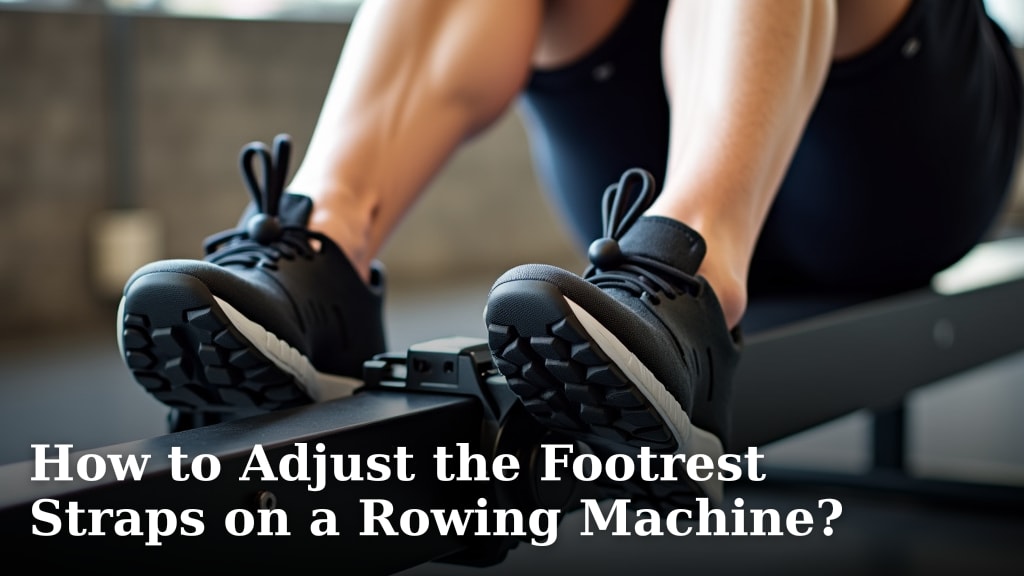
Adjusting the Foot Straps
Sit on the machine. Place your feet in the footrests. The straps should go over the widest part of your foot, right where your laces would be. Pull them tight so your feet feel secure but not squished. You don’t want your heels lifting excessively during the stroke.
Setting the Damper (Resistance)
Look for a lever on the side of the flywheel, usually numbered 1 to 10. This is your damper setting. It controls how much air enters the flywheel, mimicking boat drag. For beginners, we often recommend a setting between 3 and 5. This provides enough resistance without feeling like you’re pulling through mud. Higher settings don’t mean a “better” workout; they just mean more initial resistance. Focus on technique first.
Gripping the Handle
Reach forward and grab the handle with an overhand grip. Your hands should be shoulder-width apart, or a little wider. Keep your wrists flat, not bent or hooked. Imagine you’re holding a steering wheel, not trying to pull a heavy rope (Concept2).
Understanding the Rowing Stroke: The Four Phases
The rowing stroke is a fluid, continuous motion. It’s often broken down into four parts for easier learning. We found this “legs, core, arms, arms, core, legs” mnemonic helpful for many beginners.
Phase 1: The Catch (Start Position)
This is your starting point. You’re sitting forward on the seat, knees bent, shins vertical. Your arms are straight, reaching forward. Your back is tall and straight, not rounded, with a slight forward lean from your hips. Think of yourself coiled and ready to spring.
Phase 2: The Drive (The Power Phase)
Now, push! This is where the power comes from your legs. Drive through your heels, extending your legs. As your legs straighten, your torso leans back slightly, and then your arms pull the handle towards your lower ribs. It’s a powerful, explosive movement. Remember: legs, then body, then arms.
Phase 3: The Finish (End Position)
At the finish, your legs are fully extended and flat. Your torso is leaning back slightly (around 105 degrees from vertical). The handle is at your lower ribs, wrists still flat. Your elbows are past your body. You should feel strong and stable here, like you just completed a powerful motion.
Phase 4: The Recovery (Return to Start)
This is the reverse of the drive, but in slow motion. First, extend your arms straight forward away from your body. Next, lean your torso forward from your hips. Finally, allow your knees to bend, letting the seat slide forward towards the flywheel. It’s a controlled, smooth return to the catch position. Remember: arms, then body, then legs.
The entire stroke should feel like a coordinated dance. Many research groups, like those at the National Institutes of Health (NIH), highlight the importance of proper sequence for injury prevention.
Common Rowing Mistakes to Avoid
It’s easy to fall into bad habits. Here are a few things to watch out for:
- Pulling with Arms First: Don’t let your arms do all the work. Your legs are the powerhouse!
- Rounded Back: Keep your back straight and strong, leaning from your hips, not slumping.
- Rushing the Recovery: The recovery should be twice as long as the drive. Give yourself time to reset.
- Over-Compressing at the Catch: Don’t let your knees touch your chest. Maintain shins vertical.
Why Bother With Proper Form?
Good form isn’t just for looking good. It’s about getting the most out of your workout and avoiding injuries. You’ll engage more muscles and build sustainable fitness. Think of it like a finely tuned engine running smoothly.
Understanding Your Rowing Monitor
The monitor is your coach, giving you instant feedback. Here are a few key metrics you’ll see:
| Monitor Metric | What It Means | Why It Matters |
|---|---|---|
| Time | How long you’ve been rowing. | Tracks workout duration. |
| Distance | How far you’ve “rowed” (meters). | Measures overall effort and progress. |
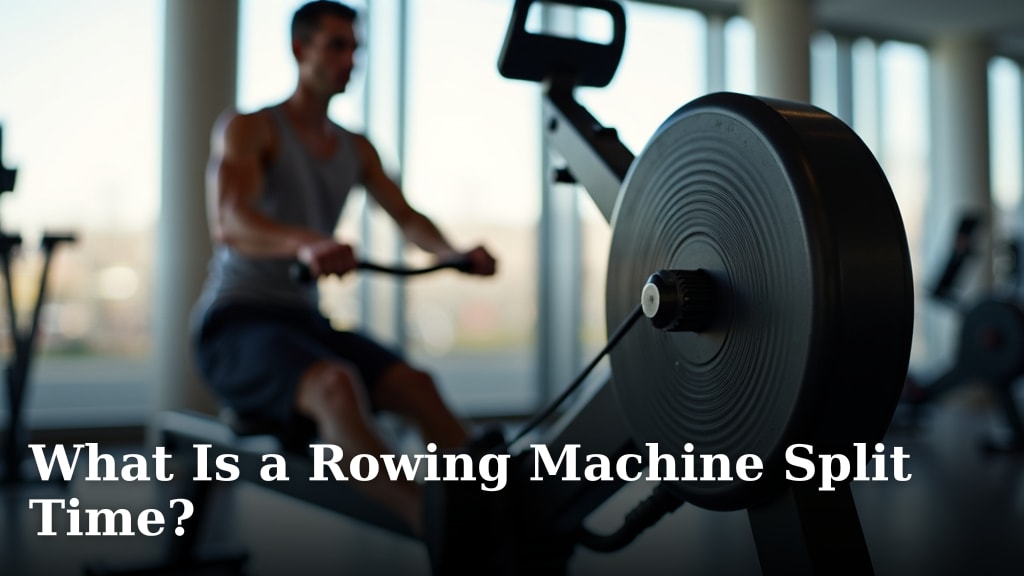
| Split (500m Pace) | Time it takes to row 500 meters at your current pace. | Key indicator of intensity; lower is faster. |
| Stroke Rate (SPM) | Strokes Per Minute. | Often between 20-30 for steady workouts; impacts efficiency. |
A Simple Rowing Checklist Before You Start
Before each session, quickly run through this mental checklist:
- Are my foot straps secure?
- Is the damper set for my workout?
- Is my grip relaxed and comfortable?
- Am I sitting tall with a slight forward lean?
- Am I ready to push with my legs first?
Making Rowing Part of Your Routine
Consistency is key for any fitness goal. We found that even short, regular rowing sessions build significant fitness over time (Mayo Clinic). Aim for 20-30 minutes, three to five times a week, to start seeing and feeling the benefits.
Warm-up and Cool-down
Don’t skip these! A 5-minute warm-up, like light cycling or dynamic stretches, prepares your muscles. A 5-minute cool-down with static stretches helps prevent soreness and aids recovery. Your body will thank you!
Conclusion
Learning how to work a rowing machine might seem like a lot initially, but it quickly becomes second nature. Focus on the simple “legs, core, arms, arms, core, legs” sequence. Pay attention to your body’s movements and use the monitor for guidance. Remember, consistency and proper form are far more important than speed or damper setting. Keep practicing, and you’ll soon be enjoying a powerful, effective, and incredibly rewarding full-body workout. Happy rowing!
How do I set the resistance on a rowing machine?
You set the resistance using the damper lever, usually numbered 1 to 10, located on the side of the flywheel. For most workouts, a setting between 3 and 5 is ideal for beginners and allows for good technique development.
What is the most common mistake beginners make on a rowing machine?
One of the most common mistakes is pulling with the arms too early or relying too much on arm strength. The power in rowing should primarily come from a strong leg drive, followed by the core and then the arms.
How long should a beginner row for?
Beginners can start with 15-20 minute sessions, including warm-up and cool-down. As your fitness improves, you can gradually increase to 30 minutes or more, aiming for consistency 3-5 times a week.
Does rowing help with weight loss?
Yes, rowing is an excellent exercise for weight loss. It burns a lot of calories because it engages nearly all major muscle groups. Combined with a balanced diet, regular rowing can significantly contribute to a calorie deficit needed for weight management.
Is rowing a good low-impact exercise?
Absolutely. Rowing is celebrated as a low-impact exercise, which means it’s gentle on your joints. This makes it a great option for people recovering from injuries, older adults, or anyone looking for a full-body workout without the pounding of running or jumping.