Is A Rowing Machine A Good Cardio Workout?
Yes, a rowing machine offers an exceptional full-body cardio workout, engaging up to 86% of your muscles.
It efficiently boosts heart health, burns significant calories, and improves your cardiovascular endurance without high impact.
- A rowing machine provides a fantastic cardio workout for your entire body.
- It is a low-impact exercise, gentle on your joints, unlike running.
- You can burn many calories and strengthen your heart and lungs.
- It helps build muscle across major groups, from legs to back.
- Rowing is great for all fitness levels, from beginners to experienced athletes.
Is A Rowing Machine A Good Cardio Workout?
Yes, absolutely! A rowing machine is one of the most effective tools for boosting your cardiovascular fitness. It delivers a comprehensive, full-body workout that truly challenges your heart and lungs.
Why Rowing Excels as Cardio
Ever wondered if that rhythmic glide truly counts as cardio? You bet it does! Rowing uniquely combines strength and endurance, pushing your heart rate up beautifully.
Engages Your Entire Body
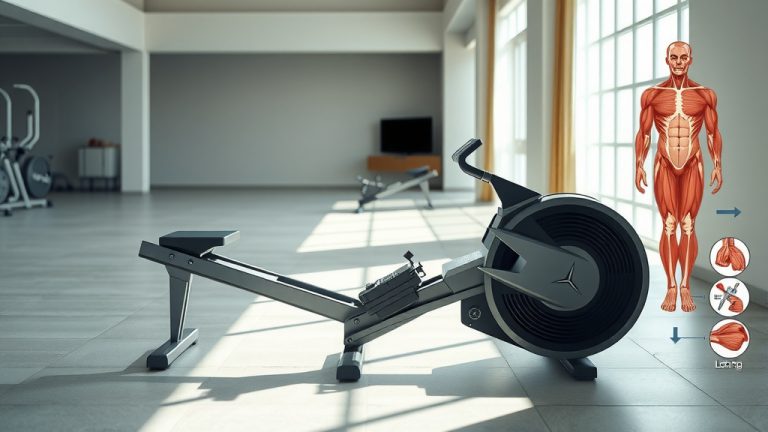
Unlike many cardio exercises that focus on just your lower body, rowing engages roughly 86% of your muscles (American Fitness Professionals & Associates). This means your legs, core, back, and arms all work hard.
Imagine the effort your heart needs to supply blood to almost your entire body simultaneously. It is a fantastic cardiac challenge, wouldn’t you agree?
Gentle on Your Joints
One of the best parts about rowing is its low-impact nature. Your feet stay connected to the footplates throughout the movement.
This means significantly less stress on your knees and hips compared to running or jumping. For anyone with joint sensitivities or recovery needs, it is a game-changer.
The Cardiovascular Benefits Unpacked
When you row, your body asks for more oxygen, and your heart obliges by pumping faster and stronger. This consistent demand strengthens your cardiovascular system over time.
Boosts Heart Health and Endurance
Regular rowing helps your heart become more efficient at pumping blood. We found that consistent cardio, like rowing, can lead to a lower resting heart rate (Mayo Clinic).
It also enhances your body’s ability to use oxygen. This means you can sustain effort longer, whether on the rower or during daily activities.
Efficient Calorie Burn
Because so many muscles are working at once, rowing is a calorie-burning powerhouse. A typical 30-minute session can torch hundreds of calories, depending on your intensity and body weight.
This makes it an excellent choice for managing your weight and creating that crucial calorie deficit for fat loss. You get a lot of bang for your buck!
Rowing vs. Other Popular Cardio Workouts
Let’s briefly compare how rowing stacks up against some other common cardio options. Each has its merits, but rowing offers a unique blend.
| Cardio Type | Key Benefit | Primary Muscles | Impact Level |
|---|---|---|---|
| Rowing | Full-body engagement | Legs, core, back, arms | Low |
| Running | High calorie burn, bone density | Legs, glutes, core | High |
| Cycling | Leg strength, endurance | Legs, glutes | Very Low |
| Swimming | Full-body, therapeutic | All major muscle groups | Zero |
Mastering Your Rowing Form for Optimal Cardio
Good form is paramount for both safety and effectiveness. Think of it like conducting an orchestra; every part needs to play in harmony.
A proper stroke maximizes muscle recruitment, which in turn elevates your heart rate more efficiently. It also prevents unnecessary strain or injury (American Council on Exercise).
Crafting Your Cardio Rowing Routine
Ready to make your rowing machine a cardio star? Here are a few ways to structure your workouts to get that heart pumping.
- Steady-State Cardio: Row at a moderate, consistent pace for 20-40 minutes. You should be able to hold a conversation, but just barely.
- High-Intensity Interval Training (HIIT): Alternate short bursts of maximum effort (e.g., 1 minute) with longer periods of recovery (e.g., 2-3 minutes). Repeat 4-8 times.
- Pyramid Training: Gradually increase your intensity or distance over several intervals, then decrease it. For example, 500m, 750m, 1000m, 750m, 500m.
Who Benefits Most from Rowing Cardio?
The beauty of the rowing machine is its versatility. It welcomes a wide range of individuals looking for effective cardio.
Consider rowing if you are:
- Looking for a full-body workout.
- Seeking a low-impact exercise option.
- Wanting to improve cardiovascular health.
- Aiming to burn calories efficiently.
- A beginner or advanced athlete.
- Recovering from certain injuries (check with a doctor).
Common Rowing Mistakes to Sidestep
To get the most out of your cardio rowing, avoid these common pitfalls. Think of them as tiny speed bumps on your path to fitness.
Many people tend to pull with their arms too early. Remember the sequence: legs, core, arms on the drive, and then arms, core, legs on the recovery. Also, avoid hunching your back; maintain a strong, upright posture.
Conclusion
Without a doubt, a rowing machine offers an exceptional cardio workout, bringing together full-body muscle engagement with significant heart-health benefits. Its low-impact nature makes it accessible to almost everyone, from fitness newcomers to seasoned athletes.
By understanding proper form and varying your routines, you can harness the power of the rower to boost your endurance, burn calories, and build a stronger, healthier you. So, why not give it a try and feel the full-body benefits?
Is Rowing Good For Weight Loss?
Yes, rowing is excellent for weight loss. Its ability to engage nearly all major muscle groups leads to a high calorie burn during workouts. Combined with a balanced diet, consistent rowing can help you create the necessary calorie deficit to shed unwanted pounds.
How Long Should A Beginner Row For Cardio?
Beginners should start with shorter sessions, perhaps 15-20 minutes, 3-4 times a week. Focus on maintaining good form rather than speed. As your fitness improves, you can gradually increase your duration to 30-45 minutes or add interval training for greater challenge.
Can I Get A Six-Pack From Rowing?
Rowing significantly engages your core muscles, helping to strengthen and tone your abdominal area. While it contributes to a stronger core, revealing a “six-pack” depends more on reducing overall body fat through diet and consistent exercise. Rowing is a powerful tool in that journey.
Is Rowing Better Than Running For Cardio?
Neither is inherently “better”; they offer different benefits. Rowing provides a full-body, low-impact workout, making it excellent for joint health and muscle balance. Running is a high-impact, high-calorie-burning exercise that also builds bone density. Your choice depends on your fitness goals, body, and preferences.
What Muscles Does A Rowing Machine Work Most?
A rowing machine primarily works your legs (quads, hamstrings, glutes), back (lats, rhomboids, traps), core (abdominals, obliques), and arms (biceps, triceps, forearms). The power for each stroke mainly comes from your legs and glutes, with your core and back stabilizing and your arms finishing the pull.