Can You Use A Rowing Machine Every Day?
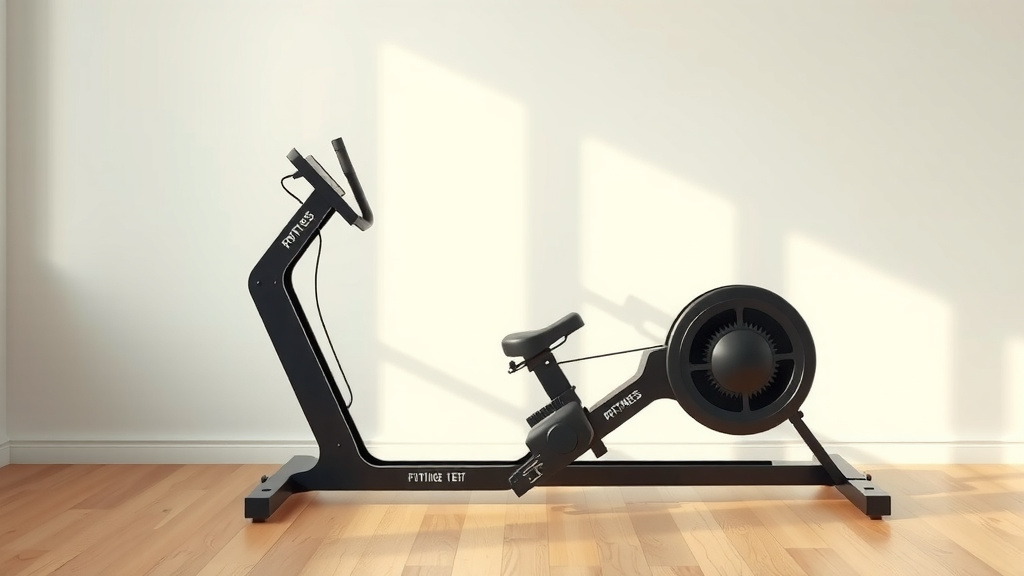
Yes, you can use a rowing machine every day, but it depends on your fitness level, workout intensity, and body’s recovery needs.
For daily use, consider varying your workout intensity and duration, ensuring you include active recovery days to prevent overtraining and injury.
TL;DR: Here’s the quick scoop on daily rowing:
- Daily rowing is possible, but moderation is key.
- Listen to your body to prevent burnout or injury.
- Mix intense sessions with lighter, active recovery rows.
- Ensure you prioritize proper form to protect your joints.
- A varied routine helps build strength and improves overall fitness.
Can You Use A Rowing Machine Every Day?
You absolutely can use a rowing machine daily, provided you adjust your routine to match your body’s capabilities and recovery needs.
Many people wonder if a full-body workout like rowing should be a daily habit. It’s a great question, and the answer isn’t a simple yes or no. It really comes down to how you approach your workouts and your personal fitness goals.
The Allure of Daily Rowing: Why You Might Want To
Rowing is a fantastic exercise. It works 86% of your muscles, offering a cardio and strength workout all in one (American Fitness Professionals & Associates). Imagine getting all those benefits every single day! It sounds amazing, right?
For those aiming to boost cardiovascular health, build endurance, or manage weight, the idea of daily rowing holds strong appeal. It’s efficient, effective, and gets your blood pumping. Who wouldn’t want that kind of consistency?
Understanding Your Body’s Needs
While the enthusiasm for daily exercise is commendable, your body needs time to recover. Think of your muscles like tiny workers; they need rest to rebuild stronger. Pushing them too hard every single day without a break can lead to issues.
We found that consistent exercise without adequate recovery can sometimes lead to what experts call overtraining syndrome (Cleveland Clinic). This means your body isn’t getting stronger; it’s getting worn down.
Listen to Your Internal Coach
Your body has its own language. It tells you when it’s feeling strong and when it needs a break. Are you feeling fatigued? Are your muscles constantly sore? These are signs that your internal coach is whispering for you to slow down.
Ignoring these signals is like driving a car with the “check engine” light on. You might get a little further, but you’re risking a bigger problem down the road. Prioritize your body’s signals above all else.
What Experts Say About Daily Exercise
Many experts say that moderate exercise most days of the week is excellent for health. The CDC recommends at least 150 minutes of moderate-intensity aerobic activity or 75 minutes of vigorous-intensity aerobic activity per week. That averages out to about 20-30 minutes daily.
So, a daily rowing session can easily fit into these guidelines, especially if you vary the intensity. It’s not about being a superhero every day, but about being consistent and smart. Just like eating healthy, consistency matters more than perfection.
The Role of Intensity: Not All Rows Are Equal
When you row daily, the intensity of your workouts becomes very important. You wouldn’t run a marathon every single day, would you? The same idea applies to rowing.
Think of it like cooking. You can bake cookies every day, but you wouldn’t make a fancy, multi-course meal every single night. Some days you need something lighter and quicker. Your rowing routine can be similar.
Mixing High-Intensity with Low-Intensity
If you plan to row every day, you might consider alternating between high-intensity interval training (HIIT) days and lighter, steady-state rows. For example, one day you might do a powerful 20-minute HIIT session. The next, a relaxed 45-minute steady-pace row.
This approach allows your muscles to recover while still keeping you active and burning calories. It’s like giving your body a dynamic recovery, rather than just full rest. This can help you maintain your fitness momentum.
Preventing Injury: Form is Your Best Friend
If you’re rowing daily, good form isn’t just important; it’s non-negotiable. Poor form, repeated day after day, is a recipe for injury. It’s like trying to build a house without a strong foundation – it won’t last.
Many common rowing injuries, especially in the lower back or wrists, stem from incorrect technique. We found that taking the time to master the stroke can save you a lot of pain and missed workouts in the long run (National Institutes of Health).
Quick Form Checklist for Daily Rowers
- Catch: Shins vertical, arms straight, shoulders relaxed.
- Drive: Push with legs first, then lean back, then pull with arms.
- Finish: Lean back slightly, handle to lower ribs, elbows past body.
- Recovery: Arms straight, then lean forward, then knees bend.
- Core Engaged: Keep your abdominal muscles tight throughout.
Benefits of Consistent Rowing
Daily or near-daily rowing, when done smartly, offers amazing benefits. You’ll likely see improvements in your cardiovascular endurance, muscle tone across your entire body, and even your mental well-being.
Imagine the progress you could make! Your lung capacity will grow, your legs, core, and arms will strengthen, and those endorphins will give you a natural mood boost. It’s a wonderful investment in your overall health.
Potential Drawbacks of Too Much Too Soon
While the benefits are great, it’s important to be realistic. Pushing too hard, too often, can lead to muscle fatigue, overuse injuries, and even mental burnout. Think of it like eating your favorite meal every day; eventually, you might get sick of it.
Here’s a simple table to compare the outcomes:
| Smart Daily Rowing | Overdoing Daily Rowing |
|---|---|
| Improved endurance | Increased fatigue |
| Enhanced muscle tone | Risk of muscle strain |
| Better recovery | Poor sleep quality |
| Positive mood boost | Irritability |
| Sustainable fitness | Higher injury risk |
How to Avoid Burnout
Variety isn’t just the spice of life; it’s the secret to sustainable fitness. Don’t be afraid to mix up your routine. Maybe some days you row, some days you walk, lift weights, or do yoga. This keeps things fresh and works your body in different ways.
Many experts suggest active recovery days, like a gentle stroll or light stretching, as a fantastic way to keep moving without stressing your body. Remember, fitness is a journey, not a sprint.
The Importance of Nutrition and Sleep
If you’re going to use your rowing machine every day, what you put into your body and how much rest you get become incredibly important. Think of your body as a high-performance engine. It needs the right fuel and enough downtime to run optimally.
We found that adequate protein intake supports muscle repair and growth, which is essential for daily activity (Mayo Clinic). And sleep? It’s when your body truly recovers and rebuilds. Aim for 7-9 hours to maximize your recovery.
Conclusion
So, can you use a rowing machine every day? Yes, you can, but with careful planning and mindful execution. Treat your body with respect, listen to its signals, and vary your routine. Consistency, not intensity, is the true pathway to long-term fitness.
You have the power to create a sustainable and effective daily rowing habit. Just remember to mix it up, perfect your form, and give your body the fuel and rest it deserves. Happy rowing!
Can a beginner use a rowing machine every day?
A beginner can start with a rowing machine daily, but should begin with shorter, lower-intensity sessions (e.g., 10-15 minutes at a moderate pace) to build stamina and perfect form before increasing duration or intensity. Listen to your body and take rest days if needed.
How long should I row if I want to use it daily?
If you’re rowing daily, consider shorter sessions, such as 20-30 minutes, especially if you’re mixing high and low-intensity days. On active recovery days, a gentle 15-20 minute row can be plenty. The goal is consistent activity without overexertion.
Will I lose weight by rowing every day?
Rowing every day can contribute significantly to weight loss, as it burns calories and builds muscle, which boosts metabolism. However, weight loss also depends on your diet, overall activity level, and individual metabolism. It’s a powerful tool in your weight management strategy.
Is daily rowing bad for your joints?
When done with correct form, rowing is generally low-impact and kind to your joints, making it a good option for daily use compared to high-impact activities. Maintaining proper technique is key to protecting your knees, hips, and back, preventing strain.
What should I do on my “off” days if I don’t row?
If you decide to take an “off” day from rowing, consider active recovery like walking, light stretching, yoga, or foam rolling. You could also cross-train with strength training for other muscle groups or focus on flexibility exercises to aid overall recovery and prevent imbalances.