Is 10 Minutes On A Rowing Machine Good?
Absolutely, 10 minutes on a rowing machine is indeed beneficial for your health and fitness. It offers a powerful, full-body workout that can boost your cardiovascular fitness and muscle tone in a short timeframe. Many fitness experts agree that even short, consistent bursts of high-intensity exercise, like those achieved on a rower, contribute significantly to your overall well-being and calorie expenditure.
Here’s the rundown if you’re short on time:
- Quick Full-Body Workout: Engaging 85% of your muscles, rowing for 10 minutes provides an efficient whole-body stimulus.
- Cardiovascular Boost: Even a short session elevates your heart rate, improving heart health and endurance.
- Calorie Burn: High-intensity rowing burns a good amount of calories, even after you stop exercising.
- Time-Efficient: Perfect for busy schedules, offering real fitness gains without needing long gym sessions.
- Low Impact: It’s gentle on your joints, making it suitable for many fitness levels.
Is 10 Minutes On A Rowing Machine Good?
Yes, 10 minutes on a rowing machine is very good. It is a highly effective way to gain significant fitness benefits, especially when done consistently.
The Power of Ten Minutes: More Than You Think
You might wonder if a mere 10 minutes can make a real difference. We found that even short, focused workouts can be surprisingly effective. Think of it like a micro-burst of activity for your body.
This quick session can kickstart your metabolism and activate nearly your entire muscular system. It’s not just a warm-up; it’s a legitimate workout.
Full-Body Engagement in a Flash
A rowing machine is unique because it works so many muscle groups at once. From your legs pushing off to your core stabilizing and your arms pulling, it’s a symphony of motion.
We found that a proper rowing stroke uses about 85% of your body’s muscles (American Fitness Professionals & Associates). That’s a lot of action in just 10 minutes.
What Muscles Get Involved?
Let’s break down where you’ll feel the burn:
- Legs: Quads, hamstrings, and glutes get a powerful workout.
- Core: Abdominals and back muscles stabilize your movement.
- Arms and Back: Biceps, triceps, shoulders, and lats engage during the pull.
Cardiovascular Kickstart for Your Heart
Even a brief rowing session can significantly elevate your heart rate. This boost is excellent for your cardiovascular system.
Regular bursts of cardio help strengthen your heart and improve blood circulation (American Heart Association). You’re doing your heart a big favor.
Improving Endurance in Short Bursts
You don’t need an hour-long run to improve endurance. Repeated 10-minute rowing sessions can gradually increase your stamina.
Your body adapts to the demand, making everyday tasks feel easier over time. It’s about building consistent effort.
Calorie Burn and the “Afterburn” Effect
Rowing is a calorie-torching exercise. In just 10 minutes, you can burn a respectable amount, depending on your intensity.
What’s even better is the “afterburn” effect, or EPOC (Excess Post-exercise Oxygen Consumption). Your body continues to burn calories at a higher rate even after you finish rowing (National Institutes of Health).
Maximizing Your 10-Minute Calorie Burn
To get the most out of your short session, focus on intensity. Push harder, row faster, and feel that burn. Short bursts of higher effort yield greater returns.
Think of it as making every stroke count.
Beyond the Physical: Mental Benefits
Exercise isn’t just for your body; it’s a powerful tool for your mind. A 10-minute row can offer a quick mental reset.
It helps reduce stress and improves mood by releasing endorphins, your body’s natural feel-good chemicals (Mayo Clinic). You’ll likely feel more energized and focused.
The Importance of Good Form
To get the full benefits and avoid injury, proper form is non-negotiable, even for 10 minutes. It’s like learning to ride a bike – once you get it, it sticks.
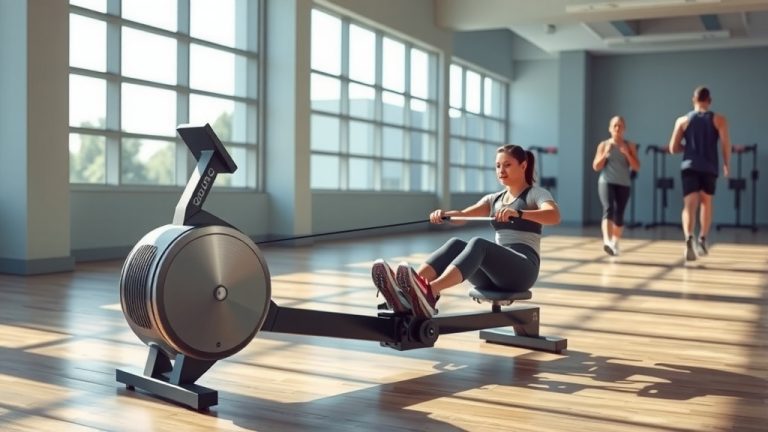
Focus on the sequence: legs, then core, then arms; reverse for the return. Many resources offer visual guides to help you perfect your stroke.
Your 10-Minute Rowing Form Checklist
-
Start Position: Knees bent, shins vertical, arms extended, back straight.
-
Drive Phase: Push with legs first, then lean back slightly, then pull with arms.
-
Finish Position: Legs extended, handle near lower ribs, slightly reclined body, relaxed shoulders.
-
Recovery: Arms extend, body pivots forward, then knees bend slowly.
-
Maintain Posture: Keep your core engaged and avoid hunching your back throughout.
Structuring Your 10-Minute Workout
How do you make the most of 10 minutes? A little structure goes a long way. You can’t just jump on and go all out immediately.
Consider a brief warm-up, a period of sustained effort, and a quick cool-down. This helps prepare your body and wind it down safely.
| Time Segment | Activity Goal |
|---|---|
| Minutes 0-2 | Warm-up: Easy, light rowing. Focus on smooth movement and form. |
| Minutes 2-8 | Workout: Moderate to high intensity. Vary your stroke rate or resistance. |
| Minutes 8-10 | Cool-down: Slow, light rowing. Gradually decrease effort. |
This simple breakdown ensures you’re working efficiently and safely within your limited time.
Consistency is Your Best Friend
A quick 10-minute row becomes powerful when you do it regularly. We found that frequent, shorter workouts can be more sustainable than sporadic, longer ones.
Aim for 3-5 times a week, and you’ll start seeing and feeling the benefits. Small steps lead to big changes.
Fitting It Into a Busy Schedule
Do you really have 10 minutes? Think about it. That’s less time than a coffee break or scrolling on your phone. It’s a highly achievable goal.
Many people find that scheduling it like any other important appointment helps. Just block out that time for yourself.
Comparing 10 Minutes of Rowing to Other Exercises
How does 10 minutes of rowing stack up against other short workouts? It’s often superior for full-body activation.
Unlike just running or cycling, which are more leg-dominant, rowing brings in your upper body and core. It’s a comprehensive choice for limited time.
Progressing Your 10-Minute Routine
Once 10 minutes feels easy, how do you keep challenging yourself? You don’t always need to add more time.
Try increasing your stroke rate, upping the resistance, or incorporating interval training within your 10 minutes. This keeps your body adapting and growing.
Conclusion
Yes, 10 minutes on a rowing machine is absolutely good for you. It’s an efficient, effective, and accessible way to get a full-body workout, boost cardiovascular health, and even improve your mental state. Remember that consistency and proper form are key to maximizing these quick sessions. Don’t underestimate the impact of short, focused effort; it can be a game-changer for your fitness routine.
What are the main benefits of 10 minutes of rowing?
The main benefits include a full-body muscle workout, significant cardiovascular improvement, effective calorie burning, and a positive impact on mental well-being by reducing stress and boosting mood. It’s a highly time-efficient exercise.
How often should I row for 10 minutes to see results?
To see noticeable results, aim for 3 to 5 times a week. Consistency is more impactful than the duration of individual sessions. Regularity helps your body adapt and build endurance over time.
Can 10 minutes of rowing help with weight loss?
While 10 minutes of rowing burns calories and boosts metabolism, meaningful weight loss typically requires a combination of consistent exercise and a balanced diet. However, these short, intense sessions contribute positively to your overall calorie expenditure.
Is 10 minutes on a rowing machine enough for beginners?
Yes, 10 minutes is an excellent starting point for beginners. It allows you to focus on learning proper form without becoming overly fatigued. As you gain strength and technique, you can gradually increase intensity or duration.
Are there any risks to short rowing workouts?
The primary risk, even in short workouts, comes from improper form, which can lead to back strain or other injuries. Always prioritize correct technique. If you have underlying health conditions, consult a doctor before starting any new exercise program.