
What Does A Rowing Machine Do For Your Body?
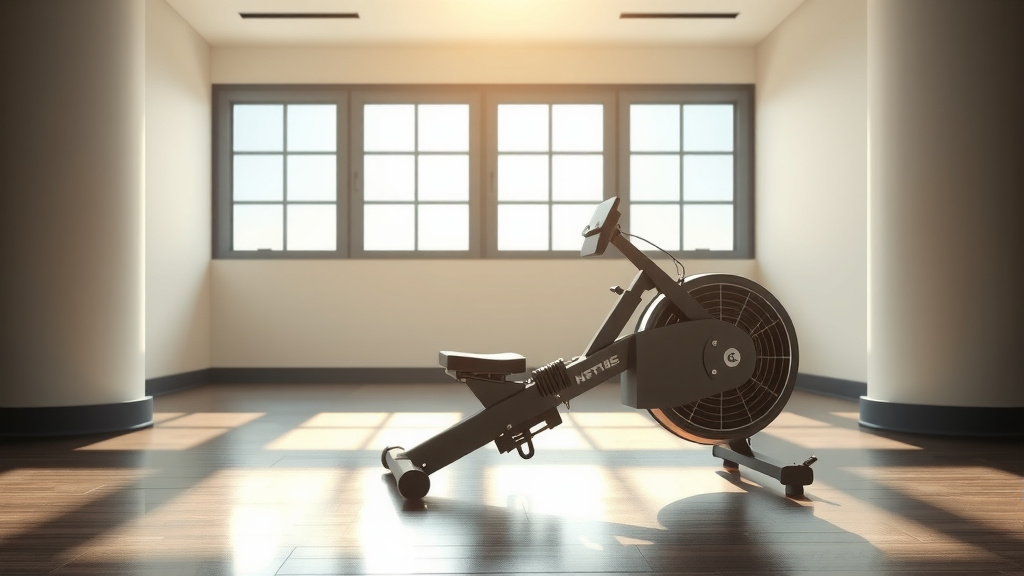
A rowing machine provides a comprehensive, full-body workout, engaging about 85% of your body’s muscles while boosting cardiovascular health.
What a rowing machine does for your body is deliver an efficient, low-impact exercise that builds strength, endurance, and burns calories effectively.
Here’s a quick overview of what a rowing machine does:
- It delivers a powerful full-body workout, working legs, core, and upper body.
- You will see a big boost in your cardiovascular health and stamina.
- It’s excellent for burning calories and helps with weight management.
- The motion is low-impact, making it gentle on your joints.
- Regular rowing can even help reduce stress and improve mental focus.
What Does A Rowing Machine Do For Your Body?
A rowing machine, often called an ergometer, provides a fantastic way to exercise almost every major muscle group you have. It truly gives you a “head-to-toe” workout unlike many other machines.
A True Full-Body Workout? Absolutely!
Many experts say that rowing is one of the most effective full-body workouts available (American Council on Exercise). You’re not just sitting and pushing; you’re coordinating multiple muscle groups in a smooth, fluid motion. Think of it like a conductor leading an orchestra – every section plays a vital role in creating a beautiful piece of music.
Your Legs: The Powerhouse
The drive phase of rowing primarily uses your legs. You push off with tremendous force, engaging your quadriceps, hamstrings, and glutes. This makes rowing an excellent way to build lower body strength without heavy lifting.
Your Core: The Stabilizer
As you extend your legs, your core muscles play a huge role. They keep your body stable and connect your upper and lower halves. Your abdominal muscles and lower back work hard to transfer power efficiently and protect your spine.
Your Upper Body: Pulling It All Together
After the leg drive, your upper body takes over. Your back muscles, shoulders, and biceps engage to pull the handle towards your body. This pulling motion strengthens your lats, rhomboids, and traps, creating a strong and sculpted upper back.
Cardiovascular Fitness: A Healthy Heart Beats Stronger
Beyond muscle building, a rowing machine seriously challenges your cardiovascular system. Your heart rate rises, your lungs work harder, and your body becomes better at using oxygen. We found that consistent rowing can significantly improve your endurance and stamina (NIH).
Think of your heart as a pump. Rowing makes that pump more efficient, meaning it can deliver more blood and oxygen with less effort over time. This leads to better overall heart health.
Burning Calories and Managing Weight
If weight management is on your mind, the rowing machine is a powerful ally. Because it uses so many muscles, it demands a lot of energy, leading to a high calorie burn. Many people find it an efficient way to help reach their fitness goals.
Research often connects high-intensity full-body exercises like rowing with significant calorie expenditure. You also get an “afterburn” effect, meaning your body continues to burn calories at a higher rate even after you finish your workout (Journal of Sports Sciences).
| Activity | Approximate Calorie Burn (30 min, 150lb person) | Impact Level |
|---|---|---|
| Rowing (moderate) | 200-300 calories | Low |
| Running (moderate) | 300-450 calories | High |
| Cycling (moderate) | 250-350 calories | Low |
(These figures are estimates and vary based on intensity and individual factors.)
Low-Impact Exercise: Gentle on Your Joints
One of the biggest advantages of rowing is its low-impact nature. Your feet stay connected to the footrests, and there’s no pounding or jarring. This makes it an ideal choice for people with joint pain, injuries, or those recovering from them.
If you love cardio but your knees complain about running, a rowing machine could be your new best friend. It gives you all the cardio benefits without the harsh impact often found in other activities.
Building Strength and Muscle Endurance
While it won’t make you a powerlifter overnight, regular rowing builds both strength and muscle endurance. You’re repeatedly working muscles against resistance, which helps them become stronger and more resilient. This kind of functional strength is great for everyday activities.
It helps your muscles work longer without getting tired. This means you might find daily tasks like carrying groceries or climbing stairs feel much easier.
Stress Reduction and Mental Clarity
Any good workout can help clear your head, and rowing is no different. The rhythmic, repetitive motion can be almost meditative. It allows you to focus on your breathing and the movement, helping to melt away the day’s worries.
We found that physical activity releases endorphins, which are natural mood boosters. This can lead to reduced stress and improved mental well-being after a good session.
The Mental Game: Focus and Coordination
Rowing isn’t just physical; it also requires a fair bit of mental focus and coordination. Learning the proper sequence of the stroke – legs, core, arms, then arms, core, legs – improves your body awareness and timing. It’s a great way to challenge your brain as well as your body.
Making the Most of Your Rowing Workout
To get the most out of your rowing machine, proper form is key. It ensures you work the right muscles, stay safe, and avoid injury. Here’s a quick checklist:
Proper Form Checklist
- Set up your feet: Straps should cross the widest part of your feet.
- Start in the catch position: Knees bent, shins vertical, arms straight forward.
- Drive with your legs: Push powerfully from your heels first.
- Lean back slightly: Engage your core and back as your legs extend.
- Pull with your arms: Bring the handle to your lower ribs.
- Recover smoothly: Extend arms, then lean forward, then bend knees.
Remember, it’s a smooth, controlled motion. You want to feel connected to the machine through the entire stroke.
Potential Downsides? Knowing the Trade-Offs
No exercise is perfect for everyone. Some people find the initial learning curve for rowing technique a bit steep. Getting the rhythm right takes a little practice, but it’s very rewarding once you get it. Rowers also require a decent amount of space, and a quality machine can be an investment.
However, the benefits often far outweigh these minor considerations for many people looking for a great workout at home.
Conclusion
A rowing machine is a truly versatile piece of fitness equipment that offers immense benefits for your entire body. From building strength in your legs, core, and upper body to boosting your cardiovascular health and even helping you de-stress, it covers a lot of ground. It’s a low-impact solution for a high-intensity workout, making it accessible to a wide range of people. If you’re searching for an efficient, effective way to get fit, the rowing machine might just be the answer you’ve been looking for.
Can a rowing machine replace other cardio workouts?
Yes, for many people, a rowing machine can absolutely serve as your primary cardio workout. It elevates your heart rate effectively and can improve your aerobic capacity just like running or cycling, but with less impact.
Is rowing good for losing belly fat?
Rowing is a highly effective calorie-burning exercise, which helps create a calorie deficit. While you cannot spot-reduce fat from specific areas like your belly, consistent rowing will contribute to overall body fat loss, including around your midsection, when combined with a healthy diet.
How long should a beginner row on a machine?
A beginner should aim for 15-20 minutes per session, 3-4 times a week, focusing on proper form rather than speed or distance. You can gradually increase your workout duration and intensity as your fitness improves.
Does rowing build big muscles?
Rowing will build lean muscle mass and improve muscle definition, especially in your legs, back, and core. While it won’t typically lead to “bulky” muscles like heavy weightlifting might, it creates strong, functional, and endurance-focused musculature.
Can I row every day?
Yes, many people can row every day, especially if you vary your intensity and duration. For general fitness, moderate daily rowing is fine. However, listening to your body and including rest days, especially for high-intensity sessions, is always a good idea to prevent overtraining.
