
Is Rowing Machine Good?
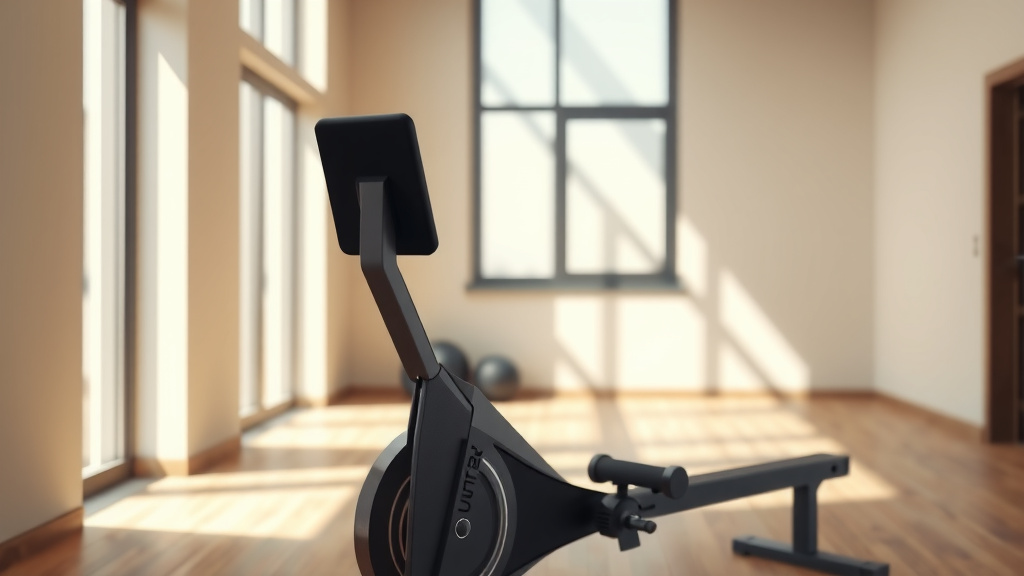
Yes, a rowing machine is an excellent choice for a full-body workout, engaging about 86% of your muscles. It strengthens your heart, builds muscle, and burns calories.
This low-impact exercise is good for improving cardiovascular health and building both upper and lower body strength without stressing your joints.
- Rowing machines offer a full-body, low-impact workout that’s kind to your joints.
- They effectively build strength, endurance, and cardiovascular health.
- You can burn a significant number of calories and improve your overall posture.
- It’s suitable for most fitness levels and is relatively easy to learn with proper form.
- A great tool for weight loss and muscle toning, perfect for home or gym use.
Is Rowing Machine Good?
Absolutely, a rowing machine is a fantastic piece of equipment for almost anyone looking to get fit.
It provides a comprehensive workout that benefits your entire body and well-being.
The Power of a Full-Body Workout
Have you ever tried an exercise that works nearly every major muscle group at once? Rowing does just that.
Research consistently shows that a single rowing stroke activates about 86% of your body’s muscles (American College of Sports Medicine).
This includes your legs, core, back, and arms, making it incredibly efficient.
Legs, Core, and More
Think of the rowing motion like a powerful push-and-pull. Your legs initiate most of the power.
Then your core engages to stabilize your body, followed by your back and arms pulling the handle.
It’s a true symphony of muscles working together, building strength from head to toe.
Cardiovascular Health Benefits
Beyond muscle building, rowing really gets your heart pumping. It’s an amazing cardio exercise.
Regular rowing can significantly improve your cardiovascular endurance and lung capacity.
Many experts say this helps reduce the risk of heart disease and keeps your circulatory system healthy (NIH).
Burning Calories and Losing Weight
Because it uses so many muscles, rowing burns a lot of calories. This makes it a powerful tool for weight management.
We found that a 30-minute session can help you burn between 200 to 400 calories, depending on your intensity.
Consistent calorie burning, combined with a balanced diet, often leads to effective weight loss.
Low-Impact on Joints
One of the biggest advantages of a rowing machine is its low-impact nature. Your feet stay connected to the machine.
This means minimal stress on your knees, ankles, and hips, unlike running or jumping exercises.
It’s an ideal choice if you have joint issues, are recovering from injury, or simply want a gentle yet effective workout.
Building Strength and Endurance
Rowing is not just cardio; it’s a strength builder. The resistance you work against tones your muscles.
You’ll notice stronger legs, a more defined back, and increased arm strength over time.
It also boosts your muscular endurance, meaning your muscles can work longer without fatigue.
Posture and Core Strength
Do you spend a lot of time sitting? Rowing can be a game-changer for your posture.
The movement naturally encourages you to sit tall and engage your core and back muscles.
Regular practice can help strengthen these muscles, leading to better posture and fewer back aches.
Mental Boost and Stress Relief
Any good workout releases endorphins, those natural mood boosters. Rowing is no exception.
The rhythmic, repetitive motion can be almost meditative, helping to clear your mind and reduce stress.
It’s a fantastic way to disconnect from daily worries and recharge your mental batteries.
Who is a Rowing Machine Good For?
Almost everyone can benefit from rowing. It’s quite versatile.
Whether you’re a seasoned athlete or just starting your fitness journey, rowing adapts to your level.
You control the intensity, making it as easy or as challenging as you need it to be.
A Quick Checklist for Rowing Suitability
- You want a full-body workout.
- You need a low-impact exercise option.
- You aim for cardiovascular improvement.
- You want to build strength and tone muscles.
- You are looking to burn calories and manage weight.
- You want to improve your posture and core strength.
Comparing Rowing with Other Cardio Machines
How does rowing stack up against treadmills or ellipticals? Let’s take a look.
Each machine has its perks, but rowing often offers a unique blend of benefits.
| Feature | Rowing Machine | Treadmill | Elliptical |
|---|---|---|---|
| Muscle Groups Worked | Full-body (86%) | Lower body primarily | Full-body, less intense |
| Impact on Joints | Very Low-Impact | High-Impact (running) | Low-Impact |
| Strength Building | High (legs, core, back, arms) | Moderate (legs) | Moderate (legs, some upper) |
| Cardio Intensity | High (variable) | High (variable) | High (variable) |
| Typical Calorie Burn | Very High | High | High |
Getting Started with a Rowing Machine
Ready to try it out? Proper form is key to getting the most from your rowing machine.
A few simple tips can help you avoid injury and maximize your workout.
Mastering Proper Form
Think of the rowing stroke in four phases: catch, drive, finish, and recovery.
Start with your knees bent, shins vertical, and arms straight, holding the handle (the catch).
Then, push powerfully with your legs first, lean back slightly, and pull the handle to your sternum (the drive and finish).
Finally, reverse the motion: arms away, lean forward, then bend your knees (the recovery).
Many guidelines point to prioritizing leg power over arm strength for efficiency (Mayo Clinic).
Finding the Right Rowing Machine
Rowing machines come in various types: air, magnetic, water, and hydraulic.
Each offers a slightly different feel and resistance style.
Air and water rowers tend to mimic the feel of actual rowing best and provide smoother resistance.
Magnetic rowers are often quieter, while hydraulic models are usually more compact.
Consider your budget, space, and desired rowing experience when choosing one.
Conclusion
So, is a rowing machine good? The answer is a resounding yes!
It stands out as an incredibly effective piece of fitness equipment, offering a complete body workout that few other machines can match.
From boosting your heart health and building strength to burning calories and protecting your joints, rowing brings a wealth of benefits.
If you’re looking for an efficient, low-impact way to get fit and stay healthy, a rowing machine is an excellent investment in yourself.
What muscles does a rowing machine primarily work?
A rowing machine primarily works your legs (quads, hamstrings, glutes), core (abs, obliques), back (lats, rhomboids), and arms (biceps, triceps, forearms). It’s a true full-body effort.
Is rowing better than running for cardio?
Both are great for cardio, but rowing offers a full-body workout and is low-impact on your joints. Running is higher impact and primarily works the lower body. For overall fitness with less joint stress, rowing often has an edge.
Can a rowing machine help with weight loss?
Yes, absolutely! Rowing is a high-calorie-burning exercise because it engages so many muscles. Consistent use, combined with a healthy diet, can be very effective for weight loss and maintaining a healthy weight.
How often should a beginner use a rowing machine?
A beginner can start with 3-4 sessions per week, aiming for 15-20 minutes per session at a moderate intensity. Listen to your body and gradually increase duration or intensity as your fitness improves.
Do rowing machines improve posture?
Yes, rowing machines can significantly improve posture. The correct rowing form requires a strong core and engaged back muscles, which helps strengthen the muscles responsible for maintaining good spinal alignment and reduces slouching.
