
Is Rowing Machine Good For Chest?
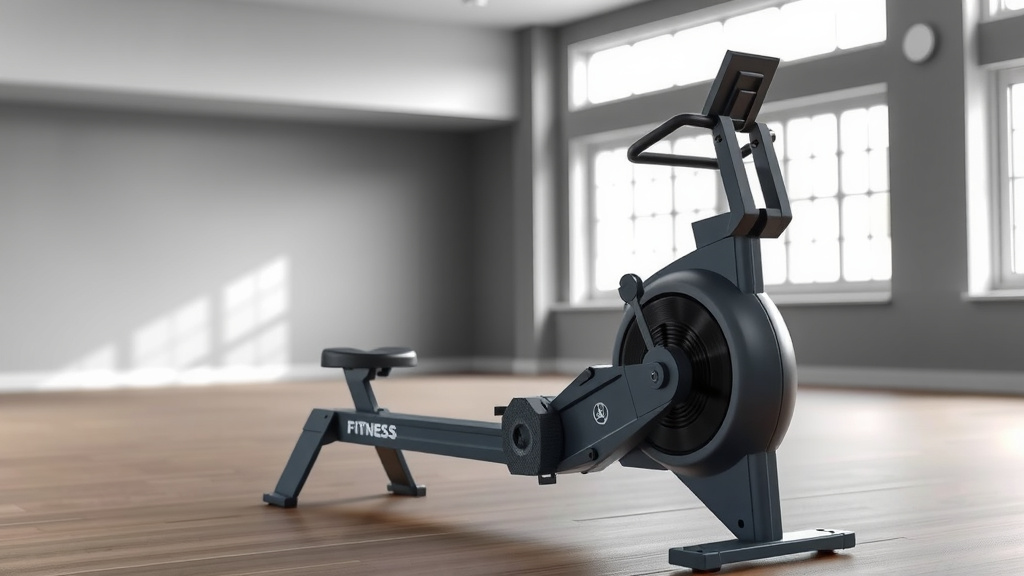
A rowing machine is not a primary exercise for building chest muscles. While your chest muscles (pectorals) might engage slightly as stabilizers during the rowing stroke’s “finish” phase, they are not the main focus.
For significant chest development, you will need to add specific chest-focused exercises to your workout routine. Rowing excels at working your legs, back, and core.
Here’s a quick summary if you’re in a hurry:
- Rowing machines primarily target your legs, back, and core muscles.
- Your chest muscles get minimal activation, mostly as stabilizers.
- Don’t expect big chest gains from rowing alone.
- Rowing is fantastic for cardio and full-body strength.
- Combine rowing with dedicated chest exercises for a balanced physique.
Is Rowing Machine Good For Chest?
The short answer is no, a rowing machine is not ideal for directly building your chest muscles. Its main strength lies elsewhere in your body.
Understanding Rowing Machine Muscle Engagement
When you sit down on a rowing machine, you might wonder which muscles are really working. We found that the rowing stroke involves a complex sequence of movements, engaging many major muscle groups.
Your body goes through distinct phases, each emphasizing different areas. This full-body involvement is why rowing is so popular for overall fitness. But it also means some muscles take a back seat.
The Drive Phase: Legs and Glutes Dominate
Think about the start of your pull – the “drive” phase. You push off the foot stretcher with power. This action heavily recruits your legs.
Your quadriceps, hamstrings, and glutes are the stars here. They provide most of the power that drives your body back. It’s like a powerful jump or squat (Mayo Clinic).
The Finish Phase: Back and Arms Take Over
As your legs extend, your upper body joins in. You pull the handle towards your body. This is where your back muscles truly shine.
Your latissimus dorsi, rhomboids, and traps all work hard. Your biceps and forearms also get a workout as you complete the pull. Many experts say this phase builds excellent upper back strength.
Where Do Your Pecs Fit In?
So, with all that leg and back work, what about your chest muscles? We found that the pectorals have a very limited role. They are not primary movers in the rowing stroke.
Your chest might act as a stabilizer, helping to keep your shoulders steady. It can also engage slightly during the “finish” as you bring your arms in. This activation is usually minimal, however.
It’s not enough to stimulate significant muscle growth. If you are aiming for a stronger, more defined chest, rowing will not be your most effective tool.
Comparing Rowing to Dedicated Chest Workouts
Imagine pushing a heavy object away from your body. That’s the main action for chest muscles. Think push-ups, bench presses, or dumbbell flyes.
A rowing motion, in contrast, is primarily a pulling exercise. Your muscles contract as you pull the handle towards you. This pulling action works opposing muscle groups to your chest.
Research often connects pushing movements directly with pectoral development (NIH). Rowing simply doesn’t create this kind of direct, high-intensity chest engagement.
Boosting Chest Activation on the Rower (Limited Impact)
Can you make your chest work a bit more on the rowing machine? You can try to focus on specific aspects of your form. But be aware, the impact will be small.
Some people try to really squeeze their shoulder blades together and “finish” strong. This might recruit a tiny bit more chest. Still, it’s not a substitute for dedicated exercises.
Maintaining proper form is always key, regardless of which muscles you hope to engage. Don’t sacrifice safety for minor gains.
Form Focus for Better Engagement
To get the most out of your rowing, focus on these points:
- Start with your legs: Push strongly from your heels.
- Engage your core: Keep your stomach tight throughout the stroke.
- Use your back: Pull the handle with your lats, not just your arms.
- Finish strong: Lean back slightly, but keep your core engaged.
- Control the recovery: Return smoothly to the starting position.
Good form ensures you work the intended muscles safely and effectively. It also prevents potential injuries (Cleveland Clinic).
Why Rowing Machines ARE Fantastic for Overall Fitness
Even though rowing isn’t a chest builder, please don’t dismiss it! Rowing machines are incredibly beneficial. We found they offer a comprehensive workout that impacts many aspects of your health.
They combine cardio and strength in one smooth movement. This makes them a time-efficient option for busy schedules. You are getting a lot of bang for your buck with each stroke.
Full-Body Workout Perks
A rowing machine truly works nearly every major muscle group. From your powerful legs to your strong back and arms, it’s all engaged. This helps build balanced muscle strength across your body.
It also engages your core muscles. A strong core is vital for posture, balance, and preventing back pain. Many experts agree that rowing provides a very complete muscular workout.
Cardiovascular Health Boost
Rowing is also a top-tier cardio exercise. It gets your heart rate up and keeps it there. Regular cardio helps strengthen your heart and lungs.
This means better endurance and a reduced risk of heart disease (CDC). You will feel more energetic in your daily life. It’s an excellent way to improve your overall fitness level.
Low-Impact Joint Friendly
Another big plus for rowing is its low-impact nature. Your joints don’t suffer the pounding like they might with running or jumping. This makes it suitable for almost everyone.
People recovering from injuries often turn to rowing. It allows for intense effort without harsh joint stress. We found this makes it a sustainable exercise choice for the long term.
Pairing Rowing with Chest Exercises for a Balanced Physique
If you want a strong chest *and* the full-body benefits of rowing, combine them! You can easily add dedicated chest work to your routine. This will give you the best of both fitness worlds.
Think about a balanced fitness program. It includes cardio, strength training for all major muscle groups, and flexibility. Rowing can cover your cardio and much of your strength, but you need to fill the gaps.
Complementary Exercises for Your Pecs
Here are some effective exercises to add to your routine for chest development:
| Exercise | Primary Focus | Benefits |
|---|---|---|
| Push-Ups | Upper, middle, and lower chest | Bodyweight, builds strength, functional movement |
| Dumbbell Bench Press | Overall chest development | Targets different angles, allows for heavier loads |
| Dumbbell Flyes | Outer chest, pec stretch | Increases pectoral width and definition |
| Cable Crossovers | Inner and lower chest | Consistent tension, good for shaping |
| Dips (Chest Version) | Lower chest, triceps | Bodyweight, develops strength and muscle density |
A Sample Weekly Fitness Plan Checklist
Consider this simple checklist for a well-rounded week:
- Rowing workouts: 2-3 times per week for cardio and full-body strength.
- Dedicated chest exercises: 2 times per week.
- Leg-focused exercises: 1-2 times per week (beyond rowing).
- Back/arm exercises: 1-2 times per week (beyond rowing).
- Core-specific exercises: 2-3 times per week.
- Stretching/mobility: Daily or after every workout.
This balanced approach will help you reach your fitness goals. It ensures no muscle group is left behind. You’ll build a strong, capable body.
Conclusion
While a rowing machine offers incredible benefits for cardiovascular health and full-body strength, it is not your go-to exercise for building a strong, defined chest. Your pectoral muscles play a very minor, secondary role during the rowing stroke. To achieve noticeable chest development, you will need to incorporate specific, targeted chest exercises into your fitness regimen. Embrace the rower for its fantastic full-body and cardio perks, and then complement it with pushing movements like push-ups or bench presses for a truly balanced physique.
Are rowing machines good for weight loss?
Yes, rowing machines are excellent for weight loss. They provide a high-calorie-burning workout that engages many muscles, elevating your heart rate effectively. Regular rowing sessions, combined with a balanced diet, can help you create the calorie deficit needed for losing weight.
Can rowing help improve my posture?
Absolutely! Rowing strengthens many of the muscles vital for good posture, especially those in your upper back, core, and shoulders. By improving the strength of your posterior chain muscles, rowing can help counteract slouching and promote a more upright posture.
Is rowing a good workout for beginners?
Rowing is a fantastic workout for beginners. It’s low-impact, meaning it’s gentle on your joints, and easily scalable. You can adjust the intensity to match your fitness level. Starting with shorter, less intense sessions and focusing on proper form will set you up for success.
How long should a typical rowing workout be?
A typical rowing workout can vary, but many experts suggest aiming for 20 to 45 minutes. For beginners, even 10-15 minutes can be beneficial. As your fitness improves, you can gradually increase duration or intensity, such as adding interval training.
What other muscles does a rowing machine work besides legs and back?
Beyond your powerful legs and back, a rowing machine significantly engages your core muscles (abdominals and obliques) for stability and power transfer. Your arms (biceps, triceps, forearms) also work to pull the handle, and your shoulders (deltoids) assist throughout the stroke.
