Is A Rowing Machine Low Impact On Knees?
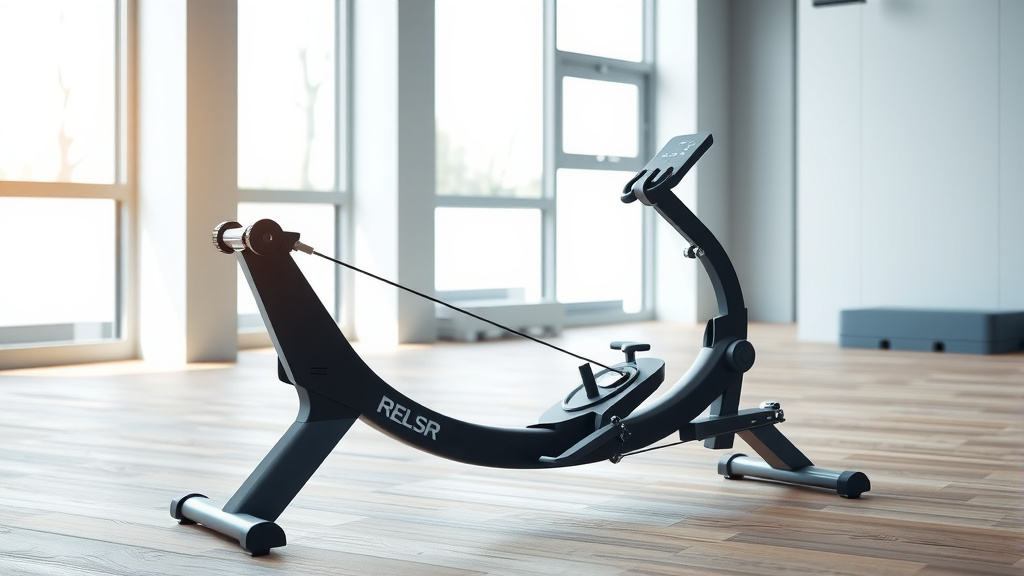
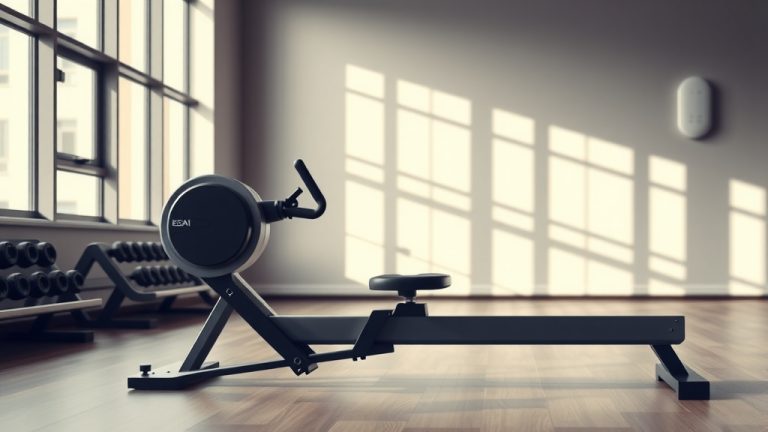
Yes, a rowing machine is considered a low-impact exercise, making it kind to your knees and other joints.
The smooth, gliding motion minimizes stress, allowing for a great workout without the jarring impact of activities like running.
Thinking about a new workout that treats your knees with care? A rowing machine might be your perfect match. Here’s a quick summary of what you need to know:
- Rowing offers a full-body workout that’s genuinely gentle on your joints.
- The controlled movement helps strengthen muscles supporting your knees without harsh impact.
- Using correct technique is crucial for protecting your knees and getting the best results.
- Many people with knee pain or conditions like arthritis find rowing very beneficial.
- You can easily adjust your rowing workout to fit your personal comfort and fitness goals.
Is A Rowing Machine Low Impact On Knees?
Absolutely, a rowing machine is very low impact on knees. This makes it a top choice for maintaining fitness while protecting your joints.
The movement involves a push and pull, but it lacks the sudden force that often bothers knees.
What “Low Impact” Really Means for Your Joints
When we talk about “low impact,” we mean exercises that keep your body in contact with a surface. There is no jumping or jarring movements involved.
This approach significantly reduces the stress placed on your joints, including your knees, hips, and ankles.
Why Your Knees Appreciate Low Impact
Think of it like this: every time your foot strikes the ground during running, your knees absorb a force. This force can be several times your body weight.
Low-impact activities, like rowing, avoid this repetitive shock, letting you train harder with less joint strain.
How Rowing Protects Your Knees
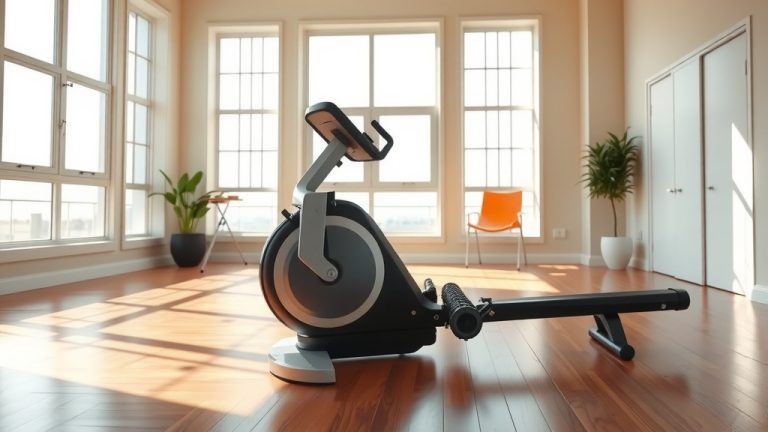
The design of a rowing machine guides your body through a fluid, natural motion. This gentle movement is key to its knee-friendly nature.
Your knees bend and straighten smoothly, engaging muscles without harsh stops or starts.
The Fluid Motion Advantage
On a rower, you slide back and forth on a seat, pushing with your legs. This creates a continuous, flowing exercise.
Many experts say this movement is similar to swimming in its joint-friendly quality (Mayo Clinic).
Pushing Power Without Harsh Jumps
You use your legs to push off the foot stretcher, driving the handle towards you. This leg drive is powerful but controlled.
Unlike jumping, your feet stay secure, preventing sudden impact or twisting motions that can harm knees.
Addressing Specific Knee Conditions
If you have existing knee issues, you might wonder if rowing is safe. Research often shows it can be a good option for many.
Of course, always talk to your doctor before starting any new fitness plan.
Rowing with Arthritis and Past Injuries
For those with conditions like osteoarthritis, rowing provides a way to exercise without pain. It helps strengthen the muscles around the knee joint.
This strengthening can actually offer better support and stability, potentially easing discomfort (NIH).
Dispelling Squat Misconceptions
Some people worry rowing involves a deep squat, which might be bad for knees. This is not quite right.
While your knees bend, a proper rowing stroke emphasizes a powerful leg drive, not a maximal squat depth.
Mastering Proper Rowing Form for Knee Safety
Good form is your best ally on the rowing machine. It ensures you get the most from your workout and keep your knees happy.
Focus on a smooth sequence to prevent any unnecessary strain.
Essential Form Checkpoints
Imagine your body moving in a coordinated sequence, like a well-oiled machine. This prevents individual joints from taking too much load.
We found these steps are vital for a safe and effective stroke:
| Stroke Phase | Knee Focus |
|---|---|
| Catch (Start) | Knees bent, shins vertical, but not over-compressed. |
| Drive (Push) | Push with legs first; straighten smoothly, avoid locking knees. |
| Finish (End) | Legs straight, but knees relaxed, not locked stiff. |
| Recovery (Return) | Bend knees slowly as you slide forward, controlled and steady. |
Spotting and Fixing Common Mistakes
Sometimes, bad habits creep into our workouts. Knowing what to watch for helps you stay on track.
Here are some things to avoid for better knee protection:
- Hunching shoulders: This can put extra strain on your lower back and throw off your balance.
- Over-compressing at the catch: Don’t bring your heels too far off the footplate, which can squash your knees.
- Locking your knees: Always keep a tiny bend in your knees at the end of the drive.
- Yanking with your arms first: Remember, the legs initiate the power, then the body and arms follow.
- Rowing too fast: A controlled, deliberate stroke is safer and more effective than a frantic pace.
Comparing Rowing to Other Exercises
How does rowing stack up against other popular fitness activities, especially for your knees? Let’s take a look.
You might be surprised by how different sports affect your joints.
Impact Levels: A Quick Look
Some activities naturally involve more impact than others. Choosing wisely can make a big difference for your long-term joint health.
Many guidelines suggest prioritizing lower-impact options if you have knee concerns (Cleveland Clinic).
- Running: High impact, repetitive pounding on joints.
- Jumping Rope: High impact, very demanding on knees.
- Walking: Moderate impact, generally safe but still involves some shock.
- Cycling: Low impact, but repetitive knee bending under load.
- Swimming: Very low impact, excellent for joint recovery and strength.
- Rowing Machine: Very low impact, controlled movement, full-body benefits.
Tailoring Your Rowing for Optimal Knee Comfort
One of the best things about a rowing machine is its versatility. You can adjust it to suit your body and your comfort level.
This personalization is key, especially if you’re working around knee sensitivities.
Adjusting Resistance and Technique
Most rowers have adjustable resistance. If your knees are sensitive, start with a lower setting. This allows you to focus on form.
You can also slightly modify your stroke, perhaps not going to maximum leg compression at the catch.
Listening to Your Body
This is perhaps the most important tip. Your body will tell you what feels good and what doesn’t.
If you feel any sharp knee pain, stop immediately and re-evaluate your form or resistance settings.
Conclusion
Rowing machines truly stand out as a knee-friendly exercise. Their low-impact nature, combined with a full-body workout, makes them an excellent choice for fitness enthusiasts of all levels.
By focusing on proper form and listening to your body, you can enjoy a powerful workout that builds strength and endurance without compromising your joint health. It’s a smart addition to almost any fitness routine, especially if knee care is a priority for you.
Is rowing bad for your meniscus?
For most people, rowing is generally safe for the meniscus, which is the cartilage in your knee. Its low-impact, guided motion reduces the twisting and jarring often harmful to the meniscus. Always use proper form to avoid over-compression at the catch, which can place stress on the knee joint.
Can I row with a torn ACL?
If you have a torn ACL, you must consult your doctor or physical therapist before using a rowing machine. While rowing is low impact, the bending and straightening of the knee might not be suitable depending on the severity of the tear and your recovery stage. They can advise if and when it’s safe to resume.
How deep should my knees bend when rowing?
Your knees should bend sufficiently so your shins are roughly vertical at the front of the stroke (the catch). Avoid over-compressing, where your heels lift excessively or your hamstrings touch your calves. This can put undue pressure on your knees. Focus on a comfortable and powerful leg drive rather than extreme bending.
Does rowing strengthen the muscles around the knees?
Yes, rowing is fantastic for strengthening the muscles that support your knees. It engages your quadriceps, hamstrings, and glutes, which all play a role in knee stability and function. Building these muscles helps to protect the knee joint and can reduce the risk of injury.
Can rowing help with knee pain?
For some types of knee pain, especially those exacerbated by high-impact activities, rowing can be beneficial. It allows for exercise and muscle strengthening without the aggravating impact. However, if you experience ongoing knee pain, it’s always best to consult a healthcare professional to get an accurate diagnosis and treatment plan.