Is Rowing Machine Good For Hip Arthritis?
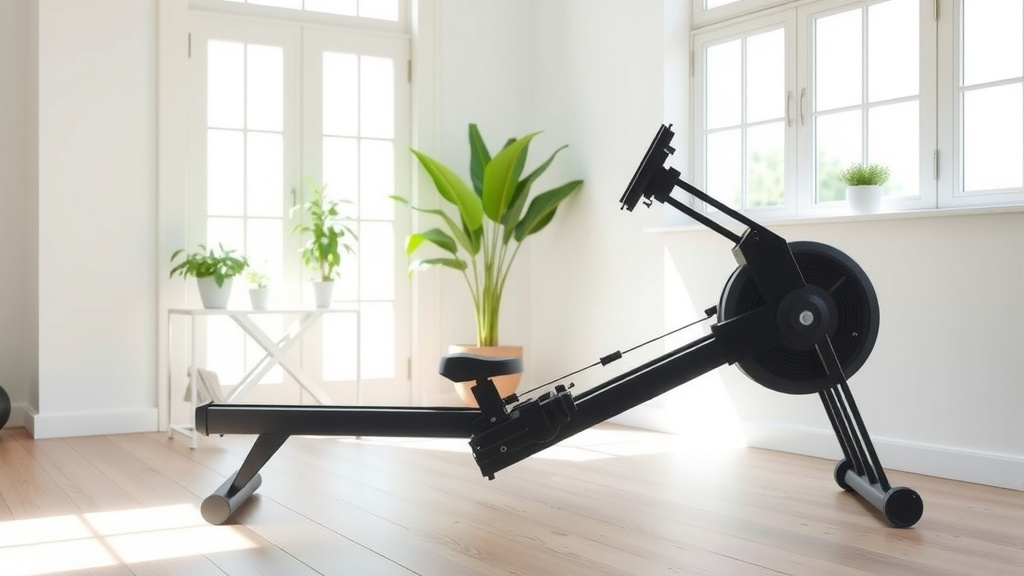
A rowing machine can be a beneficial low-impact exercise for individuals with hip arthritis, as it provides a full-body workout without harsh joint impact.
However, it’s vital to use proper form and listen to your body, especially during flare-ups, to avoid aggravating your hip joints.
- Rowing offers a low-impact way to exercise with hip arthritis.
- It helps strengthen muscles around the hip, providing better support.
- Proper form is crucial to prevent pain and injury.
- Always consult your doctor or physical therapist before starting.
- Listen to your body and modify workouts as needed.
Is Rowing Machine Good For Hip Arthritis?
Yes, for many people, a rowing machine can be quite good for hip arthritis, offering a gentle yet effective way to stay active. It provides a smooth, non-weight-bearing motion that supports your joints.
Understanding Hip Arthritis
Hip arthritis simply means you have inflammation in your hip joint. This condition can lead to pain, stiffness, and reduced movement. It often makes everyday activities feel like a real challenge.
What Happens in Your Hips?
Your hip joint is a ball-and-socket joint, designed for wide ranges of motion. With arthritis, the cartilage cushioning the bones wears down. This causes bones to rub together, leading to discomfort and inflammation (Mayo Clinic).
You might feel a dull ache or sharp pain, especially when you move. Morning stiffness is also a common complaint. Finding exercises that don’t make it worse is key.
Why Rowing Can Be Your Friend
When you have hip arthritis, finding the right exercise feels like a treasure hunt. Rowing often fits the bill perfectly. It lets you move your hips through a range of motion without bearing your full body weight.
Low-Impact Movement
The beauty of a rowing machine is its low-impact nature. Your feet stay connected to the foot stretchers, and you glide along the slide. This minimizes the jarring forces that can irritate arthritic hips, unlike running or jumping.
We found that this type of movement can help maintain joint mobility. It also keeps the synovial fluid flowing, which is like your joint’s natural lubricant (NIH). This natural lubrication can help ease stiffness.
Building Supporting Muscles
Rowing engages a vast array of muscles, including those around your hips. You strengthen your glutes, hamstrings, and core. Strong muscles around the hip provide better stability and support for the joint (Cleveland Clinic).
Think of these muscles as a protective shield for your hips. The stronger they are, the less stress your joint might experience. This can lead to less pain over time and improved function.
The Importance of Proper Form
Good form isn’t just about looking like a pro; it’s about protecting your body. With hip arthritis, proper rowing technique becomes even more critical. Incorrect form can put unnecessary strain on your hips.
Setting Up Your Rower
Before you even pull, adjust your footstraps so the strap goes across the widest part of your foot. Make sure your seat is comfortable and stable. A good setup helps you maintain a natural, supportive posture.
Many experts say to sit tall with a slightly forward lean from your hips. Keep your core gently engaged. This initial position sets the stage for a safe and effective stroke.
The Rowing Stroke Explained
The rowing stroke has four main parts: the catch, the drive, the finish, and the recovery. Focus on pushing with your legs first during the drive. Then, swing your body back, and finally, pull with your arms.
During the recovery, reverse the motion smoothly: arms away, body forward, then legs bend. Avoid rounding your lower back at any point. Keep the movement fluid and controlled, rather than jerky.
Modifying Your Rowing for Arthritis
Rowing is adaptable, which is excellent news for arthritic hips. You can tweak your technique or setup to reduce discomfort. Remember, your comfort is the most important indicator.
Adjusting Your Seat and Footstraps
If you feel hip pinch at the catch, try reducing your knee bend slightly. You might not need to go as far forward as others. Adjust your footstraps to a lower setting if your heels lift too much, causing strain.
Some people find that using a seat pad adds extra cushioning. This can make longer sessions more bearable. Experiment a little to discover what feels best for your body.
When to Take a Break
Listen to your body—it’s always talking to you. If you experience sharp pain, stop immediately. Mild discomfort is one thing, but pain means something is wrong. Don’t push through it.
During arthritis flare-ups, it’s often best to rest or choose a different, even gentler activity. Trying to row during a flare-up can worsen your symptoms. Patience is a virtue here.
Rowing vs. Other Exercises
How does rowing stack up against other common exercises when you have hip arthritis? Let’s look at some comparisons. We found that each option has unique advantages.
| Exercise | Impact Level | Hip Benefit | Notes for Arthritis |
|---|---|---|---|
| Rowing | Low | Joint mobility, muscle strength | Good form is critical, avoid deep flexion if painful. |
| Walking | Low-Moderate | Maintains function, light weight-bearing | Can be good, but listen to pain, avoid hard surfaces. |
| Cycling (Stationary) | Low | Joint movement, leg strength | Adjust seat height to prevent hip pinch. |
| Swimming/Water Aerobics | Very Low | Full range of motion, no impact | Often the gentlest option, supports body weight. |
Beyond Your Hips: Total Body Benefits
While we’re focusing on your hips, rowing provides so much more. It’s a fantastic cardiovascular workout, strengthening your heart and lungs. You’ll feel more energetic in your daily life.
This full-body exercise also builds strength in your back, shoulders, and arms. It can improve your overall stamina and physical fitness. Many people find it helps with stress relief, too.
Starting Your Rowing Journey Safely
Ready to try rowing with hip arthritis? Here’s a quick checklist to help you get started on the right foot, or rather, the right stroke!
- Talk to your doctor: Get clearance before starting any new exercise.
- Start slow: Begin with short, gentle sessions, maybe 5-10 minutes.
- Focus on form: Watch videos or consider a trainer for proper technique.
- Warm up gently: Light stretching and easy movements before rowing.
- Cool down: Gentle stretches after your workout helps too.
- Listen to your body: Modify or stop if you feel pain.
When to Talk to a Pro
Your doctor or a physical therapist is your best ally when managing hip arthritis. They can offer personalized advice based on your specific condition. Don’t hesitate to reach out if you have concerns.
If you’re unsure about proper form, a physical therapist can guide you. They can also provide specific exercises to complement your rowing. Their guidance helps ensure you’re exercising safely and effectively.
Conclusion
Rowing can indeed be a valuable addition to your fitness routine if you have hip arthritis. Its low-impact nature, combined with its ability to strengthen supporting muscles, makes it an attractive option. Remember that listening to your body and maintaining excellent form are not just suggestions; they are necessities.
Always start gently, make adjustments as needed, and never push through pain. By taking these precautions and working with your healthcare team, you can enjoy the many benefits a rowing machine offers, helping you move more freely and live more comfortably.
What kind of pain should I watch out for when rowing with hip arthritis?
You should immediately stop if you feel any sharp, stabbing, or intense pain in your hips. A dull ache or mild discomfort that improves with a warm-up might be acceptable, but sharp pain signals potential damage or aggravation to your joint.
Can rowing actually improve my hip arthritis symptoms over time?
While rowing can’t cure arthritis, regular, low-impact exercise like rowing can help improve symptoms. It strengthens the muscles supporting your hip, increases joint lubrication, and maintains flexibility, which collectively can lead to less pain and better function (Mayo Clinic).
Is there a specific type of rowing machine best for hip arthritis?
All types of rowing machines (air, magnetic, water, hydraulic) offer low-impact movement. The most crucial factor is finding a machine that allows for smooth, consistent motion without causing discomfort. Some find a higher seat height easier to get on and off.
How often should someone with hip arthritis row?
Start with 2-3 sessions per week, for about 10-15 minutes each. Gradually increase duration and frequency as your body adapts and without causing increased pain. Consistency with gentle effort is more important than intense, sporadic workouts.
Are there any stretches that complement rowing for hip arthritis?
Yes, gentle stretches for your hip flexors, hamstrings, and glutes can be very helpful. Examples include knee-to-chest stretches, figure-four stretches, and gentle hip rotations. Always warm up before stretching and only stretch to a point of mild tension, not pain.