Is Rowing Machine Low Impact?
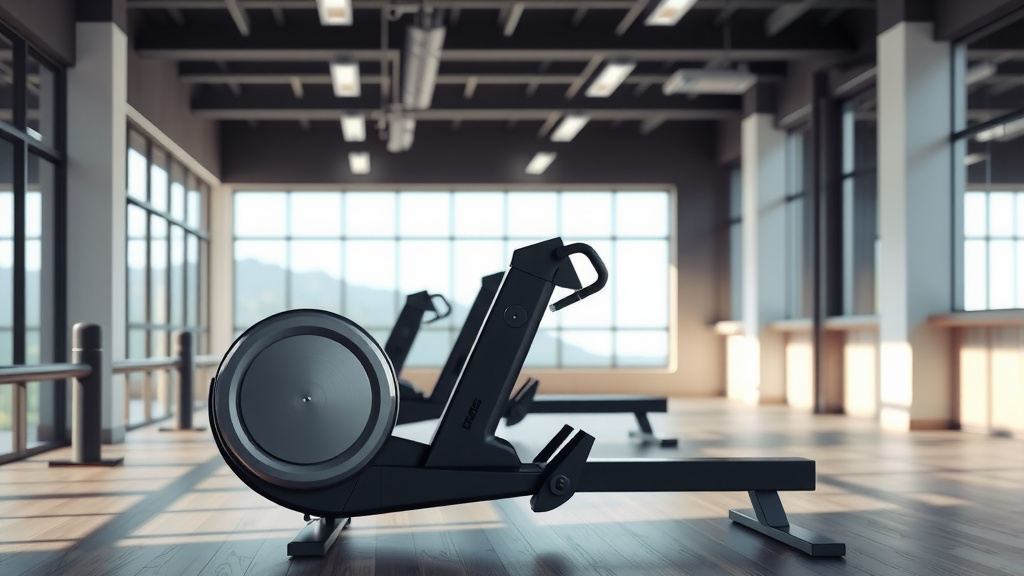
Yes, a rowing machine is widely considered a low-impact exercise option. It provides an effective full-body workout that minimizes stress on your joints, making it a gentle yet powerful fitness tool.
You can engage major muscle groups and improve cardiovascular health without the repetitive pounding often associated with high-impact activities. This makes rowing an excellent choice for a broad range of fitness levels.
- Rowing machines offer a full-body workout with minimal joint stress.
- They are ideal for people seeking to protect their joints during exercise.
- Proper form is essential to fully reap the low-impact benefits of rowing.
- Rowing can significantly improve your cardiovascular fitness and muscle strength.
- It’s a fantastic option for beginners, seniors, and those with joint concerns.
Is Rowing Machine Low Impact?
Absolutely, rowing machines are indeed a low-impact exercise. They deliver a comprehensive workout while being incredibly gentle on your joints and musculoskeletal system.
Understanding Low Impact Exercise
What does “low impact” truly mean for your body? It refers to movements where at least one foot, or in rowing’s case, your body, maintains contact with a surface. This continuous contact reduces sudden jarring forces on your joints. Think of it like a smooth glide rather than a jarring bounce.
Your Joints Will Thank You
For many, the idea of exercise brings worry about joint pain. High-impact activities can sometimes aggravate conditions like arthritis or previous injuries. Low-impact options, like rowing, allow you to train consistently without undue stress on knees, hips, and ankles (Mayo Clinic).
The Smooth Motion of Rowing
The inherent design of a rowing machine promotes a smooth, continuous motion. As you push off the foot stretcher and slide back, your body moves fluidly. There are no sudden stops or jarring impacts that could strain your joints.
Seated Support for Stability
When you row, you remain seated on a sliding seat. This seated position supports your body weight throughout the movement. It significantly reduces the gravitational forces that typically act upon your joints during standing exercises. This support is key to its low-impact nature.
Fluid, Controlled Movements
The rowing stroke itself is a testament to controlled power. You engage your legs, core, and arms in a coordinated, flowing sequence. This controlled movement pattern ensures that no single joint bears excessive load at any point. It’s all about smooth transitions.
Engaging Every Major Muscle Group
Did you know a single rowing stroke activates about 86% of your muscles? You engage your legs, core, back, and arms. This incredible efficiency means you get a powerful, full-body workout without needing to jump or lift heavy weights, making it a highly efficient low-impact choice.
Cardiovascular Health, Gently Delivered
Rowing is a fantastic way to boost your heart health. You can sustain a consistent, challenging pace that elevates your heart rate. This cardiovascular benefit comes without the impact that some other cardio workouts might present. It’s a smart way to train your heart and lungs.
A Gentle Choice for Many People
Who benefits most from the low-impact nature of rowing? The answer is simple: almost everyone. Whether you are new to fitness or a seasoned athlete, rowing can fit your needs. Many health organizations recommend low-impact activities for sustainable fitness journeys.
- Individuals with joint pain: Protects knees, hips, and ankles.
- Beginners: Provides a safe entry point into exercise.
- Seniors: Offers a secure and effective way to stay active.
- People recovering from injuries: Supports active rehabilitation.
- Athletes seeking cross-training: Adds variety without extra wear and tear.
Form is Everything: Protect Your Body
While rowing is naturally low impact, your technique plays a huge role. Poor form can introduce unnecessary strain, even on a rowing machine. Investing time to learn correct posture ensures you fully reap the joint-protective benefits of the exercise.
- Start with good posture: Sit tall with a neutral spine.
- Engage your core: Keep your abdominal muscles active.
- Drive with your legs: Initiate the stroke powerfully with your legs.
- Finish with your arms: Pull the handle towards your lower ribs.
- Control the recovery: Return to the start position smoothly.
- Breathe rhythmically: Exhale on the drive, inhale on the recovery.
Rowing Against High-Impact Activities
Let’s compare rowing to a common high-impact activity like running. Both offer excellent fitness benefits. However, they differ significantly in their impact on your joints. Here’s a quick look at the trade-offs you might consider when choosing your workout.
| Feature | Rowing Machine | Running (High Impact) |
|---|---|---|
| Joint Stress | Very Low (seated, fluid motion) | High (repetitive ground contact) |
| Muscle Engagement | Full body (legs, core, back, arms) | Primarily lower body |
| Cardio Benefits | Excellent (sustained intensity) | Excellent (sustained intensity) |
| Injury Risk | Lower (with proper form) | Higher (due to impact forces) |
Addressing Your Rowing Questions
Sometimes, people confuse “low impact” with “no impact.” It’s an important distinction to make when considering your fitness choices. Let’s clarify a common query.
Is it “No Impact” or “Low Impact”?
A rowing machine is best described as low impact, not no impact. “No impact” typically refers to activities where your body isn’t bearing any weight at all, like swimming. While rowing minimizes stress, there’s still some force as you push against the foot stretcher. However, this force is distributed and controlled, making it very gentle. It’s about a gentle distribution of force rather than zero force.
Boosting Your Rowing Comfort
To truly enjoy your low-impact rowing experience, comfort is key. Simple adjustments can make a big difference in how your body feels during and after your workout. You want to feel supported and natural in your movements.
Ergonomic Setup Tips
Make sure your rowing machine is set up correctly for your body. Adjust the foot straps so they secure your feet firmly but comfortably. If your machine has adjustable resistance, start with a lower setting until you find your rhythm. A small seat cushion can also make longer sessions much more enjoyable (American Council on Exercise).
Conclusion
Yes, a rowing machine is definitively a low-impact exercise, offering a powerful, full-body workout that’s kind to your joints. It’s an exceptional choice for anyone looking to build strength, improve cardiovascular health, and manage weight without the harsh impact associated with other activities. By focusing on correct form and a comfortable setup, you can enjoy a sustainable and highly effective fitness routine for years to come. Your body will thank you for making such a thoughtful and health-conscious choice.
Is rowing good for bad knees?
Yes, rowing can be excellent for bad knees because it is a low-impact exercise. The seated position and fluid motion minimize direct stress on the knee joints, allowing you to strengthen the surrounding muscles without pounding. Always consult your doctor or a physical therapist if you have specific knee conditions.
Can I get a full-body workout with low impact?
Absolutely! A rowing machine provides an incredible full-body workout while remaining low impact. It engages your legs (quads, hamstrings, glutes), core (abs, lower back), and upper body (back, shoulders, arms) in a coordinated sequence, delivering comprehensive fitness benefits gently.
How often should a beginner use a rowing machine?
For beginners, starting with 3-4 sessions per week, lasting 15-20 minutes each, is a good approach. Focus on mastering proper form first. As your endurance and technique improve, you can gradually increase both the duration and frequency of your workouts.
Does rowing burn a lot of calories?
Yes, rowing can burn a significant number of calories because it’s a full-body, cardiovascular exercise. The exact amount depends on your intensity, duration, and body weight. You can expect to burn roughly 400-600 calories per hour, making it an efficient tool for weight management.
Is rowing better than cycling for joint health?
Both rowing and cycling are excellent low-impact exercises beneficial for joint health. Rowing offers a more complete full-body workout, engaging your upper body and core more directly than cycling. The best choice depends on your personal preference, specific joint concerns, and fitness goals.