How To Rowing Machine?
To use a rowing machine, start by securing your feet in the straps, then grip the handle firmly with an overhand grip.
The rowing machine stroke involves four phases: the catch, the drive (legs, then core, then arms), the finish, and finally, the recovery back to the catch position.
Here’s a quick overview of how to master your rowing machine:
- Set up correctly: adjust foot straps and damper.
- Master the four-phase stroke: catch, drive, finish, and recovery.
- Focus on leg power, not just arm strength.
- Maintain good posture throughout your workout.
- Avoid common mistakes like hunching or rushing.
- Enjoy a full-body, low-impact workout that builds strength and stamina.
How To Rowing Machine?
Learning how to use a rowing machine can feel a bit like learning to dance: it takes a few steps to get the rhythm right, but once you do, it feels amazing. We’re here to help you move from beginner jitters to rowing like a pro, feeling confident and strong with every stroke.
Getting Set Up Correctly
Before you even pull your first stroke, proper setup is key for safety and effectiveness. Think of it as preparing your stage. You want to be comfortable and ready to move.
Adjusting Your Foot Straps
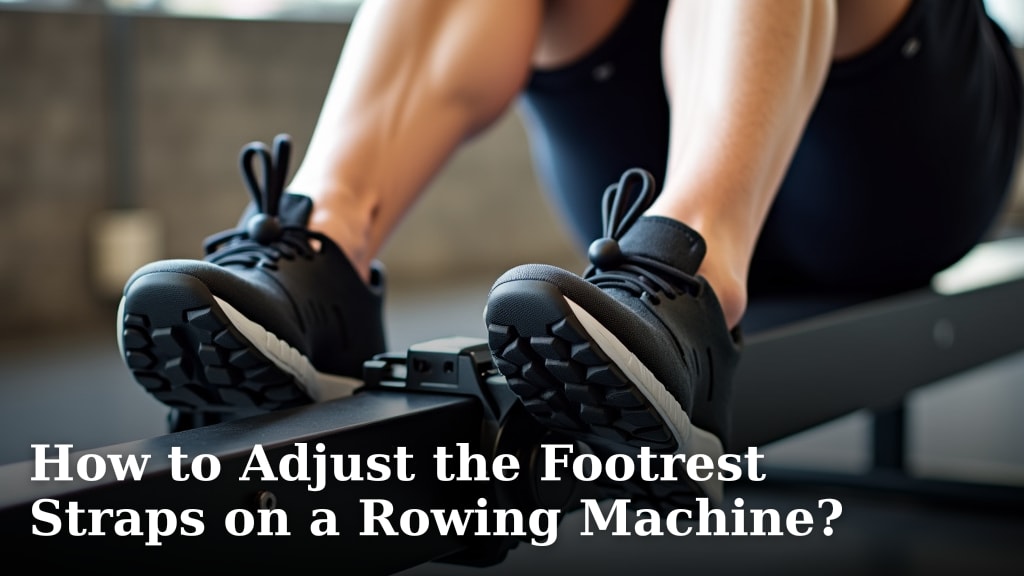
First, place your feet on the foot stretchers. Adjust the straps so they go across the widest part of your foot, just under your toes. Your heels should be able to lift slightly as you move, but your feet should feel secure. Many experts say this ensures a stable base for your powerful leg drive (Mayo Clinic).
Understanding the Damper Setting
Look for a lever on the side of the fan cage. This is your damper setting, not a resistance setting. It controls how much air enters the flywheel. A higher number feels like rowing a heavier boat, demanding more power. A lower number feels like a lighter boat, allowing for faster strokes. For most beginners, starting around a 3 to 5 setting is ideal. We found that this range offers a good balance of resistance without overwhelming you.
The Four Phases of a Rowing Stroke
Imagine your rowing stroke as a smooth, continuous cycle, not a choppy back-and-forth. Breaking it down into four distinct phases helps you understand each movement.
Phase 1: The Catch
This is your starting position. Slide forward on the rail until your shins are roughly vertical, almost touching the front of the machine. Your arms should be straight and extended forward, with your shoulders relaxed. Your core is engaged, ready for action. Your back should be straight, not hunched over.
Phase 2: The Drive
This is where the power happens! Push off strongly with your legs, as if you’re doing a powerful squat. As your legs extend, gently lean back from your hips, swinging your torso. Finally, pull the handle towards your chest, aiming for just below your ribs. Remember the sequence: legs, then core, then arms. This ensures you use your biggest muscle groups first (NIH).
Phase 3: The Finish
At the end of your drive, you should be leaning back slightly, maybe to an 11 o’clock position if your starting point was 12. Your legs are fully extended and flat. The handle is pulled into your torso, with your elbows pointing slightly outwards. Your body should feel strong and stable here.
Phase 4: The Recovery
Now, reverse the drive, but in a controlled manner. First, extend your arms straight forward away from your body. Next, pivot forward at your hips, bringing your torso over your legs. Finally, once your hands clear your knees, allow your knees to bend and slide forward into the catch position. It’s like a smooth rewind, preparing for your next powerful stroke.
Common Rowing Machine Mistakes to Avoid
Even with the right technique, it’s easy to fall into bad habits. Being aware of these common pitfalls can save you from injury and make your workouts more effective.
- Hunching Your Back: Keep your spine neutral and straight. Hunching can strain your back.
- Pulling Too Early: Don’t let your arms do all the work first. The legs are the engine!
- Rushing the Recovery: Take your time on the recovery. It should be twice as long as the drive.
- Gripping Too Tight: A light, firm grip is enough. White knuckles mean you’re wasting energy.
- “Shooting the Slide”: Extending your legs completely before your body or arms start moving.
Why Choose a Rowing Machine? Benefits You’ll Love
Beyond learning the mechanics, understanding the payoffs can keep you motivated. Rowing offers a truly comprehensive workout that many other machines can’t match.
Full-Body Workout
Rowing works about 86% of your muscles! You engage your legs, core, back, and arms in every stroke. This makes it incredibly efficient. We found that it strengthens everything from your quads to your biceps. Research often connects rowing with improved overall muscular endurance (ACSM).
Low-Impact Exercise
Unlike running or jumping, rowing puts minimal stress on your joints. This makes it an excellent option for people with joint pain or those looking for a safe, sustainable exercise. Your body moves in a controlled, fluid motion.
Workout Ideas to Get You Started
Once you nail the form, you can begin to explore different types of workouts. Mix things up to keep it interesting and challenge your body in new ways.
Steady State Rowing
This is perfect for building endurance. Row at a consistent, moderate pace for 20-30 minutes. You should be able to hold a conversation, but still feel like you’re working. It’s great for cardiovascular health.
Interval Training (HIIT)
Alternate periods of intense rowing with periods of rest or light rowing. For example, row hard for 1 minute, then rest for 2 minutes, repeating 4-6 times. This can boost your metabolism. We found that short, intense bursts are very effective for improving fitness levels quickly.
Comparing Rowing Machine Types
Choosing the right machine can enhance your experience. Each type offers a slightly different feel and sound.
| Rower Type | Key Feature | Feel |
|---|---|---|
| Air Rower | Resistance from spinning flywheel | Smooth, progressive, natural |
| Water Rower | Resistance from paddles in water tank | Closest to real rowing, fluid |
| Magnetic Rower | Resistance from magnets | Quiet, consistent, adjustable |
Pre-Rowing Checklist for Success
A quick mental or physical check before you start can make all the difference. This ensures you’re ready and focused.
- Is your water bottle filled and within reach?
- Are your foot straps adjusted correctly for a snug fit?
- Have you set the damper to your desired level (e.g., 3-5 for beginners)?
- Is your monitor displaying correctly, or ready to be started?
- Are you wearing comfortable clothing that allows for full range of motion?
- Do you have your favorite motivational playlist ready to go?
Maintaining Your Rowing Machine
A little care goes a long way in keeping your machine in top condition. Regular maintenance extends its life and keeps your workouts smooth.
Wipe down the handle and seat after each use. This removes sweat and grime. Periodically, check the chain or belt for wear and lubricate if needed, following your manufacturer’s instructions. Keep the rail clean for smooth seat movement. We found that a well-maintained machine just feels better to use.
Conclusion
Mastering the rowing machine takes practice, but it’s a truly rewarding journey. By focusing on proper setup, understanding the stroke phases, and avoiding common mistakes, you’ll unlock a powerful, full-body workout. Remember, it’s about consistency and form over speed. Keep at it, listen to your body, and enjoy the incredible benefits this versatile machine offers. You’ve got this!
What is the best damper setting for a beginner?
For most beginners, a damper setting between 3 and 5 is ideal. This range provides enough resistance to feel a good workout without making it too heavy or difficult to maintain proper form. You can always adjust it as you get stronger.
How long should my rowing workouts be when I start?
Start with shorter workouts, perhaps 10-15 minutes, three to four times a week. Focus on learning the proper technique. As your fitness improves and your form becomes more consistent, you can gradually increase the duration to 20-30 minutes or longer.
Should I feel the burn more in my arms or legs?
You should primarily feel the work in your legs, glutes, and core during the drive phase. Your legs are the main power source, driving about 60% of the stroke. Your arms and back contribute, but they shouldn’t be doing most of the heavy lifting. If your arms tire out first, you might be pulling too early with them.
Can I get a full-body workout with just a rowing machine?
Absolutely! The rowing machine is renowned for being one of the most comprehensive full-body workouts available. It engages major muscle groups in your legs, core, back, and arms, providing both cardiovascular and strength benefits in a single, low-impact exercise.
What’s the difference between stroke rate and intensity?
Stroke rate is how many strokes you take per minute, typically displayed on your monitor. Intensity refers to how much power you put into each stroke. You can have a high stroke rate with low intensity (many light strokes) or a low stroke rate with high intensity (fewer, very powerful strokes). For effective training, often a moderate stroke rate with consistent power is key.