How To Increase Resistance On Rowing Machine?
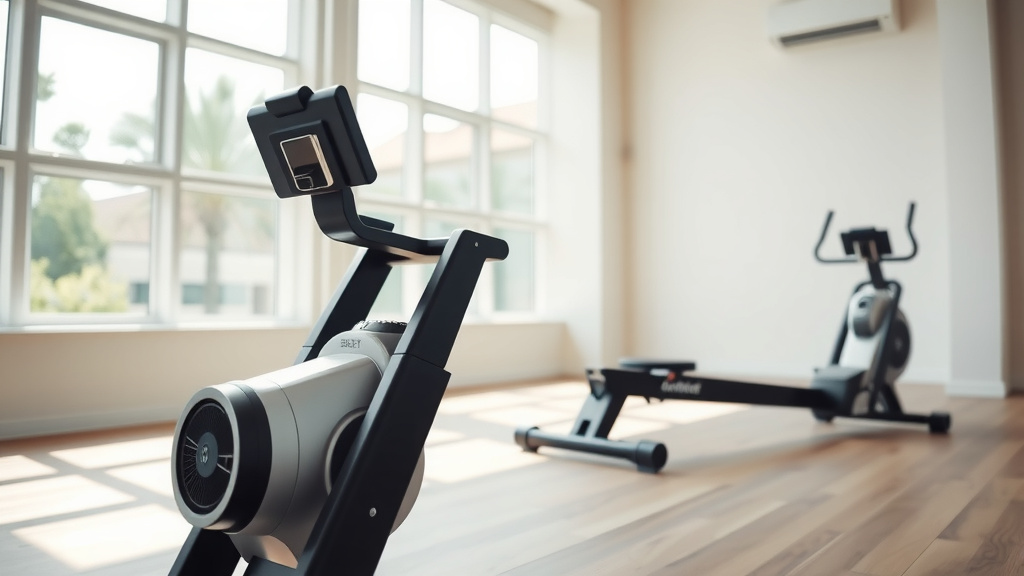
You can increase resistance on a rowing machine by adjusting its damper setting, adding more water to a water rower, or turning the resistance knob on a magnetic rower.
To make your workout harder, focus on a more powerful stroke, use correct form, and consider the machine’s specific resistance type.
- To make your rowing workout tougher, adjust the damper on air rowers, turn the resistance dial on magnetic models, or fill water rowers with more water.
- Don’t forget that a stronger, more efficient stroke naturally makes the workout feel harder, regardless of machine settings.
- Varying your workout intensity with intervals can also significantly increase the challenge and fitness benefits.
- Always prioritize good form to prevent injury and get the most out of your resistance training.
- Regularly cleaning and maintaining your machine ensures consistent and smooth resistance.
How To Increase Resistance On Rowing Machine?
You can increase resistance on a rowing machine by adjusting its built-in settings like the damper, magnetic dial, or water level. Additionally, enhancing your stroke power and technique will make every pull feel more challenging.
Understanding Your Rower’s Resistance Type
First, it’s helpful to know what kind of rowing machine you own. Different machines use various methods to create resistance. We found that the main types are air, magnetic, water, and hydraulic (American College of Sports Medicine).
Each type offers a unique feel and method for adjustment. Knowing this helps you make the right changes for a more challenging workout.
The Damper Setting: Air Rowers Explained
If you have an air rower, like many popular models, you’ll see a damper lever on the side of the flywheel. This lever typically goes from 1 to 10 or 1 to 12. Many people think this directly adjusts “resistance.”
However, we found that the damper controls how much air enters the flywheel. A higher setting allows more air in, making it feel like you’re rowing a heavier boat through thicker water. It’s more about the “feel” of the stroke, not raw resistance (Concept2 research).
Setting the damper higher requires more effort to spin the flywheel at the start of your stroke. This can certainly make your workout feel harder, so try increasing it gradually.
Magnetic Resistance: Dialing Up the Power
Magnetic rowers use magnets and a flywheel to create resistance. These are often quieter and offer a very smooth stroke. You’ll usually find a manual knob or digital controls to change the setting.
Turning the knob or pressing buttons brings the magnets closer to the flywheel, directly increasing the resistance. This is a straightforward way to make your workout much harder. Many experts say to increase it one level at a time to find your sweet spot.
Water Rowers: Adding More Depth (Literally!)
Water rowers simulate the feeling of rowing on actual water, as the resistance comes from paddles moving through a water tank. The resistance on these machines is often “self-regulating”—the harder you pull, the more resistance you feel.
However, you can increase the overall base resistance by adding more water to the tank. This makes the paddles work against a greater volume of water. Always follow your machine’s manual for proper water levels. It’s like adding more weight to a barbell – more water equals more challenge.
Hydraulic Pistons: Simple and Direct
Hydraulic rowers use a piston mechanism to create resistance. These are generally more compact and budget-friendly. Resistance is often adjusted by a clamp or lever on the piston itself.
You might need to physically move a pin or turn a dial on the hydraulic cylinder. This directly increases the pressure in the piston, making your pulls much more strenuous. We found these offer consistent, linear resistance.
Checking Your Machine’s Manual is Key
Every rowing machine is a little different. Your rower’s manual is the best place to find specific instructions for adjusting resistance. Many experts agree that reading the manual first prevents damage and ensures correct usage.
Beyond the Settings: Boosting Your Stroke Power
Adjusting machine settings is one part of the equation. But what if you want to make your workout harder without touching any dials? The answer lies in your technique and how much power you generate with each stroke.
Think of it like pushing a car. If you push harder, the car moves faster, and you exert more energy. Rowing is similar; more power in your legs means more “work” against the resistance, making it feel tougher.
Perfecting Your Form for Greater Challenge
Good form isn’t just for injury prevention; it’s also about efficiency and power. Using your legs, core, and arms in the correct sequence engages more muscles, leading to a more powerful (and harder) stroke. Many guidelines point to a powerful leg drive as the foundation (Mayo Clinic).
Are you driving hard with your legs? Are you engaging your core? Proper form ensures you’re getting the most out of every single pull, making the existing resistance feel much more significant.
Stroke Rate vs. Stroke Power: What Matters More?
Many beginners think a higher stroke rate (strokes per minute) means a harder workout. Not always! Research often connects power per stroke with true calorie burn and strength gains (NIH).
Instead of just rowing faster, focus on putting more power into each individual stroke. A lower stroke rate with maximum power in each drive can be far more challenging and effective for building strength and endurance.
Adding Intervals to Elevate Your Workout
Even without changing your machine’s resistance setting, you can increase the intensity of your workout through intervals. This means alternating between periods of high effort and low effort.
For example, row as hard as you can for one minute, then recover with a light row for two minutes. Repeat this cycle several times. This method is a fantastic way to boost cardiovascular fitness and make your body work harder.
| Rower Type | Primary Resistance Adjustment | Impact on Workout |
|---|---|---|
| Air Rower | Damper Setting (1-10) | Adjusts “feel” of stroke; higher setting means heavier, slower feel. |
| Magnetic Rower | Resistance Knob/Dial | Directly increases magnetic braking force on flywheel. |
| Water Rower | Water Level in Tank | Adds more mass for paddles to displace; higher base resistance. |
| Hydraulic Rower | Piston Clamp/Lever | Increases pressure within hydraulic cylinder for harder pull. |
Why Resistance Matters for Your Goals
The right resistance level is critical for achieving your fitness goals. Too little resistance and you might not see the strength gains you desire. Too much, and you risk poor form or injury.
For building muscle, higher resistance with fewer, powerful strokes works well. For endurance, moderate resistance with a longer, consistent effort is better. We found that matching resistance to your goal is a smart strategy.
Resistance Checklist for Your Next Row
Before your next rowing session, run through this quick checklist to ensure you’re getting the most challenging workout possible:
- Did I check my rower’s specific resistance type?
- Have I adjusted the damper, knob, or water level as appropriate?
- Am I focusing on a powerful leg drive in each stroke?
- Is my core engaged and my posture strong throughout?
- Have I considered adding high-intensity intervals to my routine?
- Am I listening to my body and avoiding over-exertion?
Maintaining Your Machine for Consistent Resistance
A well-maintained machine performs better and provides consistent resistance. Dust and debris can affect the flywheel on air rowers, for example. Regularly wiping down your rower and checking for loose parts helps.
For water rowers, ensure the water in the tank is clean. Magnetic rowers generally require less maintenance but benefit from occasional cleaning. Keeping your machine in top shape means you’ll always get the resistance you expect.
Conclusion
Increasing resistance on your rowing machine involves a mix of understanding your equipment’s specific settings and refining your technique. Whether you adjust a damper, turn a knob, add water, or simply focus on a more powerful stroke, there are clear ways to make your workout tougher. Remember, consistency and proper form are your best allies in making real progress. So, go ahead, challenge yourself a little more, and feel the difference!
What is a good damper setting for an air rower?
Many experts suggest a damper setting between 3 and 5 for most general workouts on an air rower. This range simulates a smooth, medium-weight boat on water. Higher settings can feel very heavy, potentially tiring you out too quickly, while lower settings might not provide enough initial challenge.
Does rowing faster automatically increase resistance?
On some rowers, especially air and water models, rowing faster does naturally increase the resistance you feel because you’re moving the air or water with more force. However, on magnetic rowers, the base resistance is set by the dial, so just rowing faster won’t change that base level, but it will increase your effort and power output.
Can increasing resistance help with weight loss?
Yes, increasing resistance can help with weight loss by making your workout more intense, which burns more calories. Higher resistance also helps build muscle, and more muscle mass contributes to a higher resting metabolism, aiding in long-term weight management. It’s a key part of an effective calorie-burning strategy.
Is it better to have high resistance or high stroke rate?
It depends on your goal. For building strength and muscle, focusing on high resistance with a powerful, lower stroke rate is generally more effective. For improving cardiovascular endurance, a moderate resistance combined with a higher, consistent stroke rate often works better. A balanced approach, incorporating both, can lead to comprehensive fitness.
How often should I change my rowing machine’s resistance?
You can change your rowing machine’s resistance as often as you like, even within a single workout, if your goals vary. Many people adjust it based on their daily energy levels or to introduce variety into their routine. For progressive overload, try increasing the resistance slightly week by week, or maintain a consistent setting and focus on increasing your stroke power or workout duration.