How To Use Water Rowing Machine?
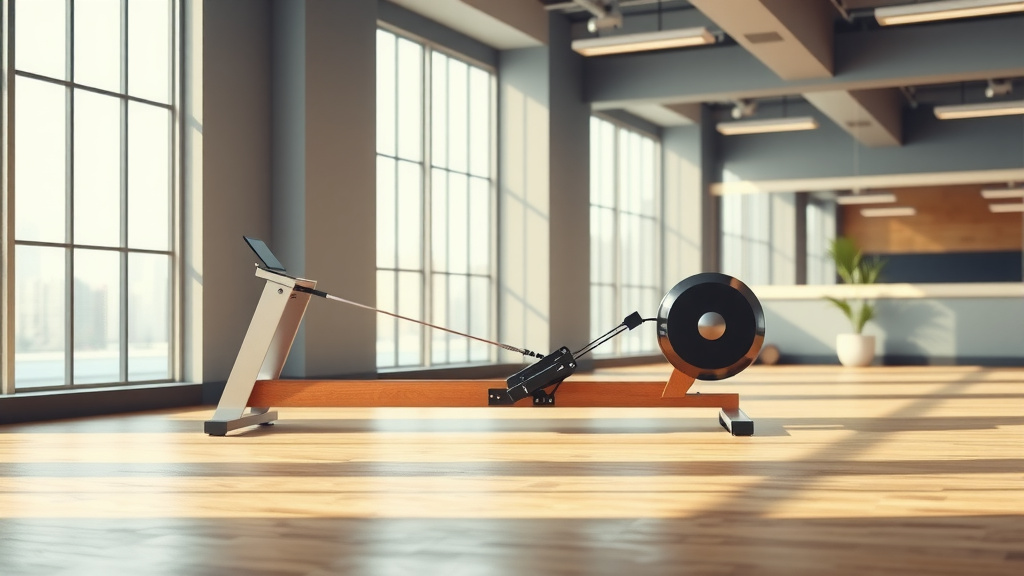
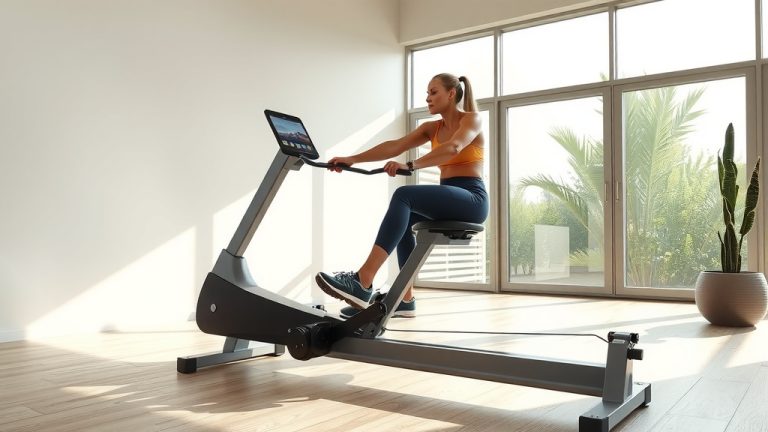
To use a water rowing machine effectively, start by adjusting the foot straps, then follow the four-phase stroke: Catch, Drive, Finish, and Recovery, focusing on a powerful leg drive.
Proper form on your water rowing machine ensures a full-body workout, engaging about 85% of your muscles while minimizing injury risk.
- Get familiar with your water rower’s parts and benefits before you start.
- Always check your setup and form for safety and efficiency.
- Focus on a strong leg drive, not just arm pulling, through the four stroke phases.
- Avoid common errors like a hunched back or rushed recovery to maximize your workout.
- Maintain your machine with simple cleaning and water treatment for longevity.
How To Use Water Rowing Machine?
Using a water rowing machine means mastering a smooth, coordinated motion that engages your entire body for a powerful and effective workout.
It’s all about synchronizing your legs, core, and arms to mimic rowing on water.
Understanding Your Water Rower
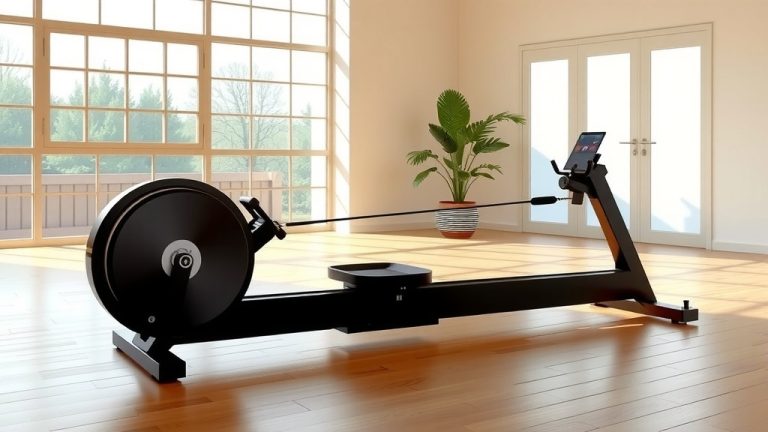
A water rowing machine is a fantastic piece of equipment. It offers a smooth, natural feel, much like actually rowing on water.
The resistance comes from water in a tank, making each stroke adapt to your effort. This means the harder you pull, the more resistance you feel.
How Water Rowers Work
Inside the tank, a flywheel moves through the water. This creates a natural, self-regulating resistance. It’s quiet and provides a satisfying swoosh sound.
Many experts say this type of resistance helps prevent joint strain while still building serious strength (Mayo Clinic).
Benefits of Water Rowing
You’re not just working your arms. Research shows rowing engages nearly every major muscle group, from your legs and glutes to your core and back.
It’s a full-body, low-impact exercise, perfect for calorie burning and improving cardiovascular health without heavy pounding on your joints.
Getting Started: Setup and Safety
Before you even think about pulling that handle, let’s ensure your machine is ready and safe. A little preparation goes a long way toward a great workout.
Finding Your Perfect Spot
Place your water rower on a flat, stable surface. You’ll need enough room for the rail to slide back and forth, plus space for your arms to extend fully.
A rug or mat underneath can protect your floor and reduce noise slightly.
Pre-Workout Checklist
A quick check before each session helps keep you safe and your machine performing well. Think of it as your captain’s inspection!
- Are your foot straps secured and comfortable?
- Is the handle within easy reach, not tangled?
- Is the monitor turned on and showing your data?
- Do you have clear space around your machine?
- Is the water level in the tank sufficient?
Mastering the Stroke: The Four Phases
The rowing stroke is broken down into four distinct phases. Learning these will help you use your water rowing machine correctly and efficiently.
Think of it as a smooth, continuous dance rather than four separate moves.
The Catch
This is your starting position. Sit tall with your knees bent, shins vertical, and arms extended straight forward. Your back should be straight, leaning slightly forward from the hips.
Your hands should comfortably grip the handle, ready to push.
The Drive
This is where the power comes from! Push strongly through your legs, like you’re doing a leg press. As your legs extend, hinge back slightly from your hips and then pull the handle toward your lower ribs.
Your legs initiate the movement, then your core, and finally your arms.
The Finish
At the finish, your legs should be fully extended, your back leaning back slightly (around an 11 o’clock position), and the handle should be at your lower ribs.
Your elbows should be past your body, and your shoulders relaxed.
The Recovery
Now, it’s time to smoothly return to the catch. First, extend your arms away from your body until they are straight. Next, pivot your body forward at the hips, letting your upper body follow your arms.
Finally, once your hands clear your knees, allow your knees to bend and slide forward on the seat.
Common Mistakes to Avoid
Even experienced rowers can fall into bad habits. Being aware of these common errors will help you maintain proper form and prevent injury.
Pulling Too Hard with Arms
One of the biggest mistakes we found is relying too much on arm strength. The drive should be 60% legs, 20% core, and 20% arms.
If your arms are tired before your legs, you might be pulling too early or too hard with them.
Hunching Your Back
Keeping a straight, strong back is vital. Hunching or rounding your back, especially during the catch or drive, can lead to back pain.
Imagine you have a straight line from your head to your hips throughout the stroke.
Rushing the Recovery
The recovery phase should be about twice as long as the drive. Many people rush back to the catch, losing control and efficiency.
A controlled recovery allows your muscles to reset and prepares you for a stronger next drive.
| Stroke Phase | What You Do | Key Focus |
|---|---|---|
| Catch | Sit tall, shins vertical, arms extended, hands grasping handle. | Ready position |
| Drive | Push powerfully through your legs, hinge back slightly, then pull arms to chest. | Leg power |
| Finish | Lean back slightly (11 o’clock), handle at lower ribs, legs extended. | Body position |
| Recovery | Arms extend away, body pivots forward, then knees bend to slide forward. | Controlled return |
Adjusting Resistance and Intensity
Water rowers offer a unique way to adjust your workout’s challenge. It’s not like a knob you turn on a fan bike.
Understanding Water Level and Tank Fill
The water level in the tank directly affects the base resistance. More water means more mass to move, leading to a heavier feel per stroke.
However, the primary way to change intensity is through your effort. More effort equals more resistance.
Controlling Your Stroke Rate
Your stroke rate (strokes per minute, SPM) also dictates intensity. A higher SPM means a faster workout, but it needs to be sustainable. Focus on a strong, consistent rhythm.
Many experts recommend starting with a rate between 20-26 SPM for endurance.
Workout Ideas for Every Level
Ready to put your knowledge into practice? Here are some simple workout structures to get you moving.
Beginner Rowing Workout
Start with a 5-minute warm-up at an easy pace. Then, row for 10-15 minutes at a steady, comfortable pace. Cool down for 5 minutes.
Focus on maintaining good form rather than speed. We found this builds a solid foundation.
Intermediate Endurance Session
After a 5-minute warm-up, row for 20-30 minutes at a consistent, moderate pace. Try to hold a steady SPM and effort level.
This helps to build your stamina and cardiovascular fitness.
High-Intensity Interval Training (HIIT)
Warm up for 5 minutes. Then, row hard for 1 minute, followed by 2 minutes of easy rowing. Repeat this cycle 4-6 times. Finish with a cool-down.
HIIT is a fantastic way to boost metabolism and improve power, as research often connects (NIH).
Maintenance Tips for Your Water Rower
Keeping your machine in good shape means it will serve you well for years. A little care goes a long way.
Cleaning Your Machine
Regularly wipe down the seat, handle, and rail with a damp cloth. This prevents sweat and dust buildup. You don’t need harsh chemicals.
A quick wipe after each session is ideal to keep it hygienic.
Water Treatment
Your water rower will likely come with water purification tablets. Follow the manufacturer’s instructions, usually adding one every 6-12 months.
This prevents algae and mineral buildup, keeping your water clear and clean.
Why Consistency Matters
Imagine a small stream carving a canyon. Each drop of water, by itself, does little. But over time, the consistent flow creates something powerful.
Your rowing journey is similar. Consistent, regular workouts, even short ones, yield incredible results.
Conclusion
Using a water rowing machine effectively is a journey of learning and consistency. By understanding the proper form, focusing on your legs, and avoiding common mistakes, you’re setting yourself up for success.
Embrace the smooth, full-body workout, stay consistent with your efforts, and your water rower will become a powerful tool for your fitness.
How often should I row for best results?
For general fitness and health, aiming for 3-5 times a week, with sessions lasting 20-45 minutes, can yield excellent results. Listen to your body and allow for rest days.
Can I lose weight by using a water rowing machine?
Yes, absolutely! Rowing is a high-calorie-burning exercise due to its full-body engagement. Combined with a balanced diet, consistent rowing can be very effective for weight loss.
Is a water rower suitable for beginners?
Water rowers are very beginner-friendly. The self-regulating resistance means you control the intensity, making it easy to start slow and build up as your fitness improves. Just focus on learning good form first.
What should my stroke rate (SPM) be?
For steady-state endurance, a stroke rate of 20-26 SPM is often recommended. For higher intensity intervals, you might push into the 28-32+ SPM range. Focus on power per stroke rather than just a high rate.
How do I know if my form is correct?
Paying attention to the sequence (legs, core, arms, then arms, core, legs for recovery) is key. You should feel the drive primarily in your legs and glutes. If you’re unsure, recording yourself or asking a fitness professional for a quick form check can be very helpful.