Can A Rowing Machine Get You Ripped?
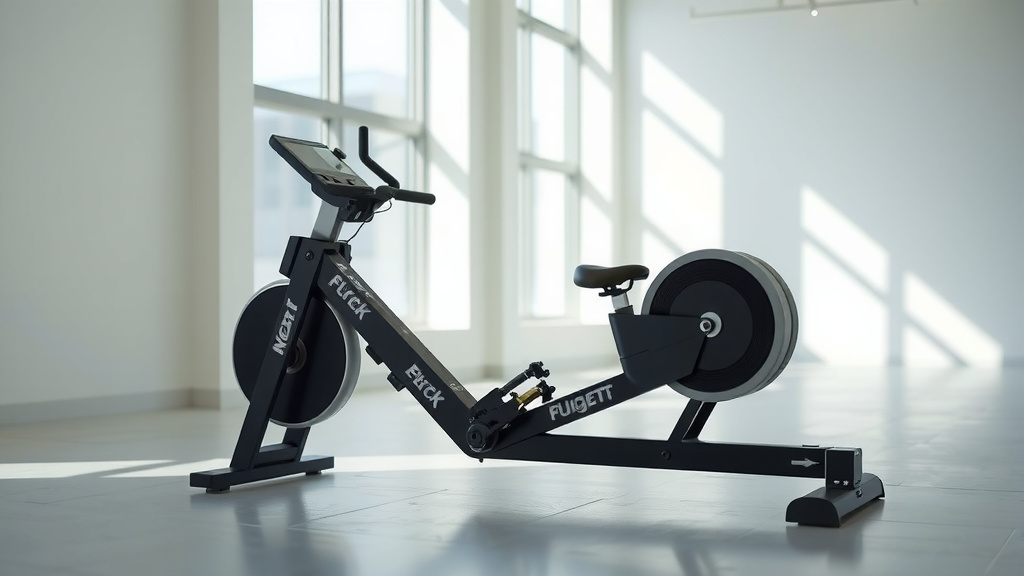
Yes, a rowing machine can absolutely help you get ripped by burning significant calories and engaging nearly all major muscle groups for strength and endurance.
However, achieving a truly “ripped” physique also requires consistent effort, a precise diet, and often supplemental strength training beyond just rowing.
- Rowing machines offer a powerful full-body workout, burning calories and building muscle.
- You engage 85% of your muscles, making it great for conditioning and fat loss.
- To get truly ripped, combine rowing with proper nutrition and dedicated strength training.
- Consistency in your routine and attention to recovery are vital for visible results.
- Think of rowing as a strong tool, not the only tool, in your fitness arsenal.
Can A Rowing Machine Get You Ripped?
A rowing machine is a fantastic tool for fitness. It helps you build strength and cardiovascular health. Getting “ripped” needs more than just one exercise machine.
It’s about a combination of low body fat and good muscle definition. Rowing definitely supports these goals.
What “Ripped” Really Means
When people say “ripped,” they imagine a lean, muscular look. This means you have a low body fat percentage. Your muscles become clearly visible underneath your skin.
It’s not just about strong muscles. It’s also about shedding the layers of fat that cover them. A rower is excellent for helping with this process.
More Than Just Cardio: Muscle Engagement
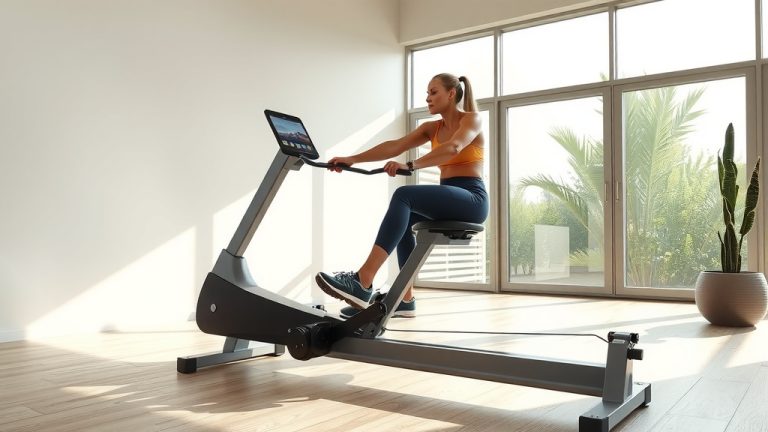
Many view rowing as only cardio, but that’s a common misconception. Rowing is a full-body strength and cardio workout. It uses many muscle groups in a powerful, coordinated motion.
Research consistently shows that rowing engages about 85% of your body’s muscles. This includes legs, core, back, and arms (American Council on Exercise).
Arms and Shoulders on the Rower
Your arms and shoulders work during the “pull” phase of the stroke. You use your biceps and triceps to pull the handle. Your deltoids in the shoulders help stabilize the movement.
This consistent resistance builds lean muscle mass in these areas. It helps with definition over time.
Back and Core Strength
The biggest muscle group activated during rowing is your back. Your lats, rhomboids, and traps all engage. They create the powerful pulling motion.
Your core muscles (abs and obliques) stay tight. They provide stability and transfer power effectively. This helps you build a strong, defined midsection.
Leg Drive: The Powerhouse
The majority of the power in a rowing stroke comes from your legs. Your quadriceps and glutes drive you back. Your hamstrings also engage in the recovery phase.
This powerful leg action builds strong, shapely legs. It contributes significantly to overall muscle development.
Burning Fat for Definition
To get ripped, you must reduce body fat. Rowing is an incredibly efficient calorie burner. This helps create the calorie deficit you need.
A single rowing session can burn hundreds of calories. This makes it a powerful tool for fat loss (Harvard Health Publishing).
High-Intensity Interval Training (HIIT) on the Rower
HIIT is fantastic for fat burning and muscle retention. You alternate short bursts of maximum effort with brief rest periods. This boosts your metabolism.
Applying HIIT to your rower workout can torch calories quickly. It keeps your body burning fat even after you finish exercising.
Steady-State Cardio for Fat Loss
Longer, moderate-intensity rowing sessions are also effective. They train your body to use fat for fuel. This improves your endurance and cardiovascular health.
A consistent routine of steady-state rowing helps you maintain a calorie deficit over time. This slowly chips away at body fat.
The Missing Pieces: Diet and Strength Training
While rowing builds muscle and burns fat, it’s rarely enough on its own. For a truly ripped physique, you need to look beyond the machine. Think of your fitness plan as a multi-tool approach.
You wouldn’t build a house with just a hammer, right? Getting ripped is similar; you need a diverse set of tools.
Why Your Plate Matters Most
Your diet plays a huge role in getting ripped. You need enough protein to build muscle. You also need a calorie deficit to lose fat (NIH). You cannot out-row a poor diet.
Focus on whole foods, lean protein, and plenty of vegetables. This nutritional approach supports both muscle growth and fat loss.
Adding Resistance Training
While rowing builds strength, dedicated resistance training is often needed for significant muscle size. Lifting weights targets specific muscles more intensely. This helps them grow larger and stronger.
Combining rowing with weightlifting creates a powerful synergy. You get both cardiovascular fitness and targeted muscle development.
Here’s a look at how rowing impacts different parts of your body:
| Muscle Group | Rowing Contribution | “Ripped” Impact |
|---|---|---|
| Legs (Quads, Glutes) | Powerful drive phase, endurance | Builds lean, strong leg muscles |
| Back (Lats, Rhomboids) | Main pulling power, posture | Develops a wide, defined back |
| Core (Abs, Obliques) | Stabilization, power transfer | Strengthens and tones the midsection |
| Arms (Biceps, Triceps) | Finishing pull of the stroke | Adds definition to arms |
| Shoulders (Deltoids) | Stabilizes upper body | Contributes to overall upper body shape |
Your Ripped Rowing Action Plan
Ready to make that rowing machine work for you? Here’s a simple checklist. These steps will guide you toward your “ripped” goals. It’s about smart training, not just hard training.
Remember, building your best physique is a journey, not a sprint. Celebrate small victories along the way.
- Integrate rowing into a balanced fitness routine.
- Prioritize a high-protein, whole-food diet.
- Include dedicated strength training 2-3 times per week.
- Vary your rowing workouts (HIIT, steady-state, pyramids).
- Stay consistent with both exercise and nutrition.
- Allow your body ample time for rest and recovery.
Consistency is Your Best Friend
You won’t see dramatic changes overnight. Real results come from showing up consistently. Aim for 3-5 rowing sessions per week, alongside your strength training. Make it a habit you can stick with.
Small, regular efforts add up to big, lasting changes. Your body adapts to the challenges you consistently give it.
Listen to Your Body and Recover
Overtraining can hinder your progress and lead to injury. Rest days are when your muscles repair and grow stronger. Good sleep is also incredibly important for recovery.
Pay attention to any aches or pains. Give your body the rest it needs to perform at its best.
Conclusion
So, can a rowing machine get you ripped? Absolutely, it’s a powerful component of the equation. It builds muscle and burns fat effectively. However, it’s not a magic bullet. To truly get that lean, defined look, you need a holistic approach.
Combine your rowing workouts with smart nutrition and focused strength training. Stay consistent, listen to your body, and enjoy the process. You’ll build a strong, healthy, and undoubtedly more defined physique. We found that a multi-faceted approach works best (Mayo Clinic).
Can I get ripped only by rowing?
While rowing is excellent for overall fitness and building lean muscle, achieving a truly “ripped” look usually requires more. You need a specific diet for fat loss and often supplementary weight training to maximize muscle definition. Rowing alone can make you very fit and toned, but rarely “ripped” without these other elements.
How often should I row to see definition?
To see muscle definition and fat loss, aim for 3-5 rowing sessions per week. Mix high-intensity intervals with steady-state cardio. Consistency over several months, paired with a clean diet, will yield the best results.
Does rowing build big muscles?
Rowing builds functional strength and endurance. It creates lean, well-defined muscles rather than large, bulky ones. For significant muscle hypertrophy (growth in size), you would typically need to incorporate heavier resistance training, like weightlifting, into your routine.
What is the best type of rowing workout for fat loss?
Both High-Intensity Interval Training (HIIT) and steady-state cardio on the rower are effective for fat loss. HIIT burns more calories in a shorter time and boosts metabolism. Steady-state helps with overall endurance and fat oxidation over longer durations. A mix of both is ideal for optimal results.
Is rowing better than running for getting ripped?
Rowing offers a full-body workout that builds strength in the back, arms, core, and legs, while also providing excellent cardio. Running is primarily a lower-body cardio exercise. For getting ripped, rowing has an edge due to its extensive muscle engagement. However, both are great for burning calories, so choose the one you enjoy most and can stick with consistently.